Architectural Brass Care & Patina Studies
Unlacquered brass is an authentic living metal that matures uniquely in every home. Our master foundry metalsmiths have documented exact instructions to help you preserve, polish, or age your solid brass hardware.
 6 min read
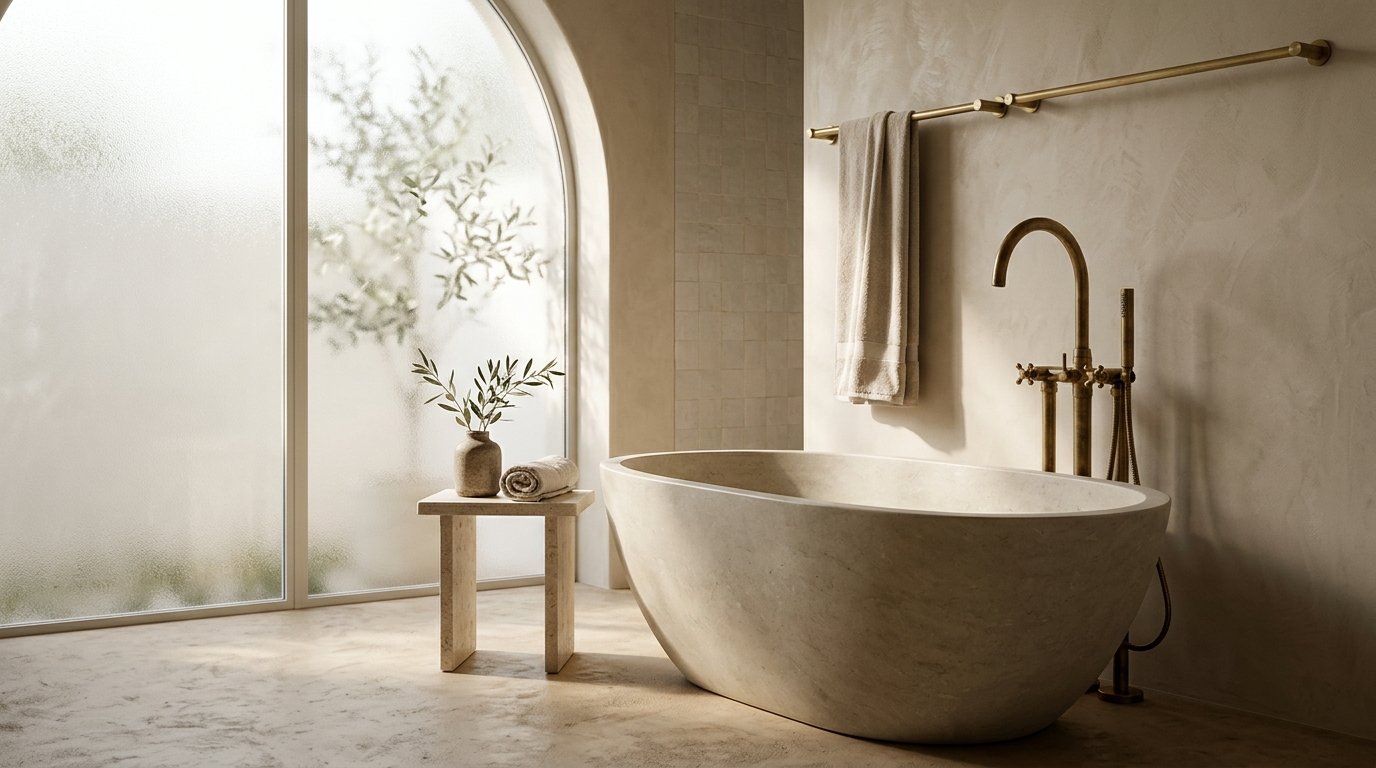
How to Clean Unlacquered Brass: The Complete 3-Method Guide (2026)
Unlacquered brass is a "living finish" — it reacts naturally with oxygen, touch, and moisture to form an organic protective patina. Learn how to clean dirt without stripping the age, or how to restore bright golden shine in under 60 seconds.
 5 min read
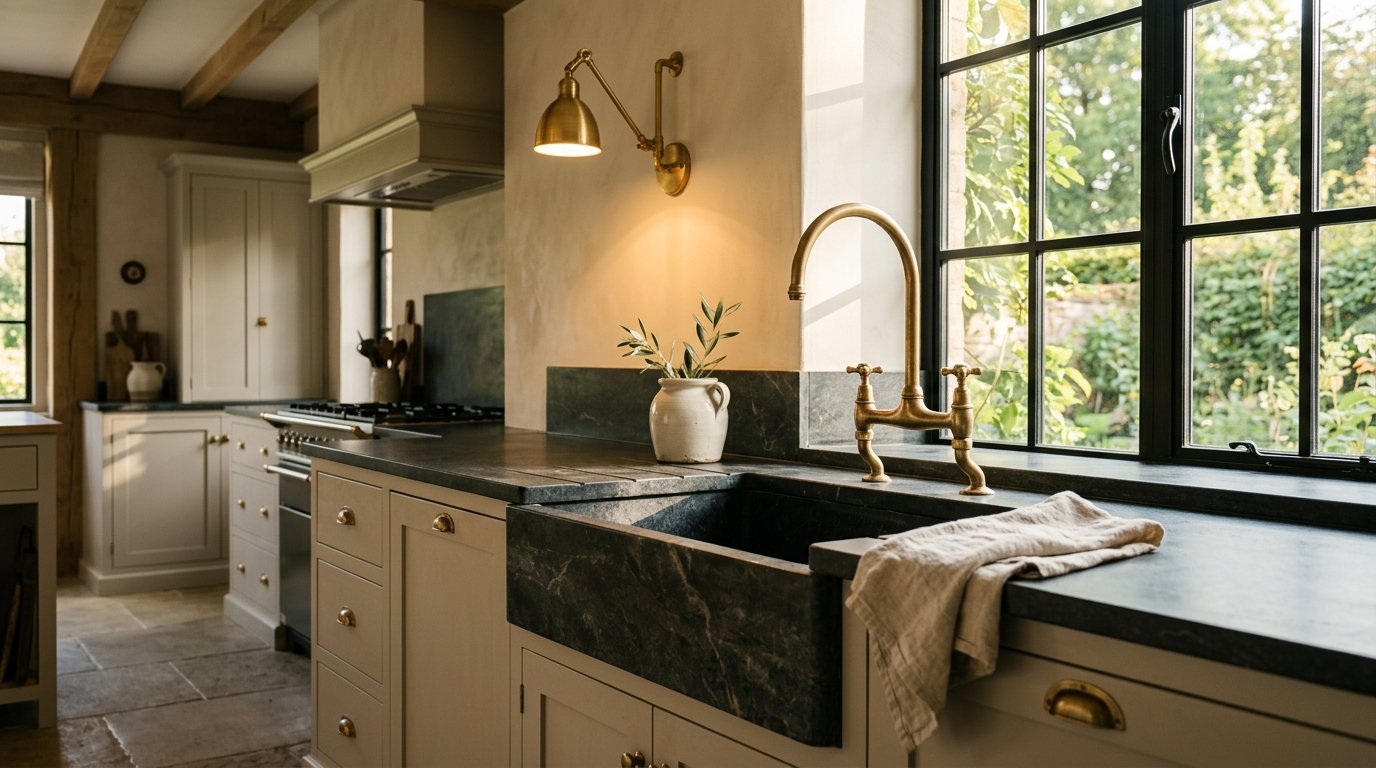
Does Brass Patina? The 30-Day to 1-Year Visual Aging Timeline
Yes, solid unlacquered brass oxidizes continuously. Unlike lacquered metal trapped under polyurethane, raw architectural brass reacts with ambient air and touch to form an organic protective patina. Explore the four distinct visual stages of living brass from installation through one full year.
5 min readLacquered vs. Unlacquered Brass: The Architectural Living Finish Guide
The definitive architectural guide comparing static polyurethane-coated lacquered brass with authentic solid living unlacquered brass. Why top architects and luxury interior designers have abandoned synthetic clear-coats for generational living metals.
 5 min read
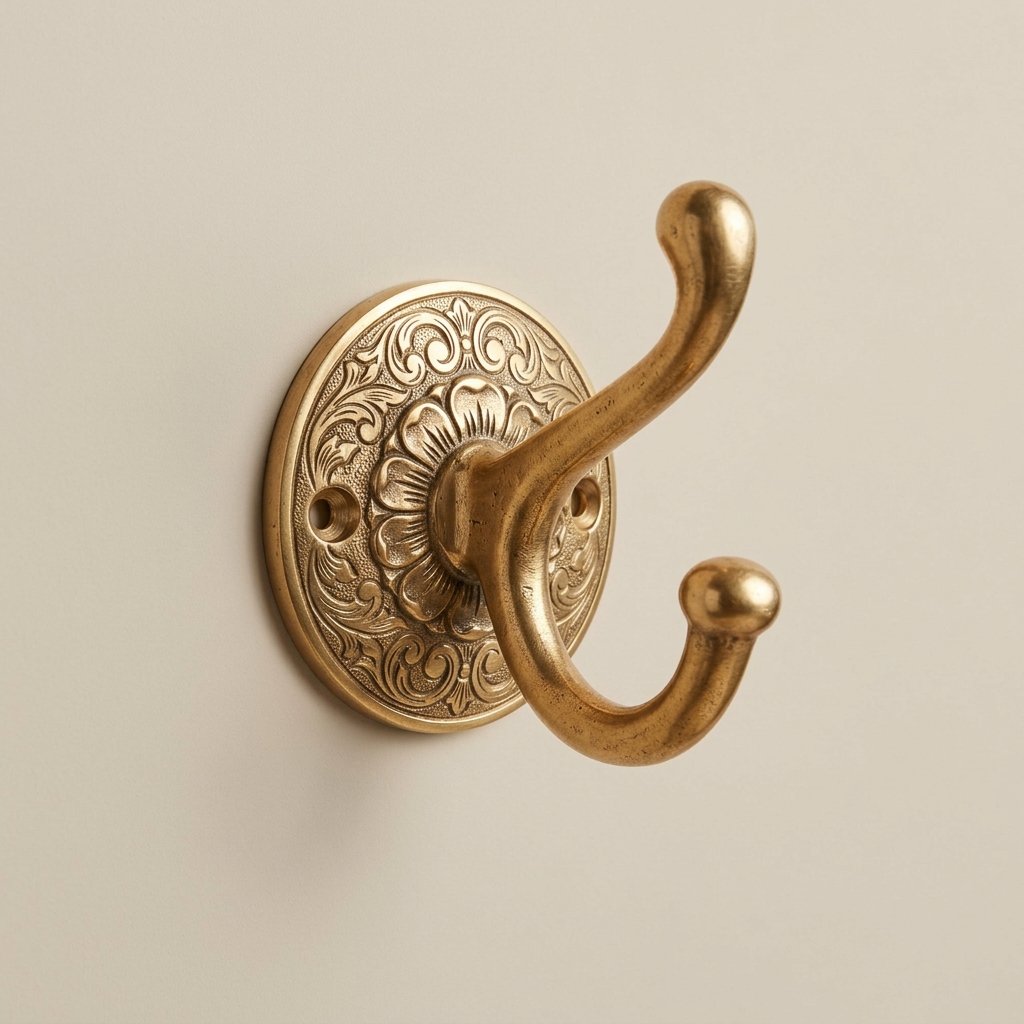
Is Brass Magnetic? The Definitive Magnet Test for Solid Brass
No, authentic solid brass is never magnetic. Because brass is an alloy composed strictly of copper and zinc — two non-ferrous, diamagnetic metals — a magnet will never stick to genuine architectural brass. Discover how to use the magnet test to expose hollow plated steel knockoffs before renovating.
5 min readDoes Brass Rust? The Truth About Corrosion, Patina & Water
No, authentic solid brass cannot rust. Chemically, rust is hydrated iron oxide — because architectural brass contains zero iron, it is physically incapable of rusting, even in 100% humidity steam showers and busy kitchen sinks. Discover the scientific difference between destructive flaking rust and protective living patina.
5 min readSolid Brass Cabinet Pulls & Drawer Hardware: The Architectural Sizing Guide
Selecting solid unlacquered brass cabinet pulls requires balancing center-to-center hole spacing, solid sand-cast weight, and natural living patina progression. Here is our architectural specification guide for luxury kitchens and bespoke cabinetry.
5 min readSolid Unlacquered Brass Door Knobs: Architectural Specs & Rosette Heritage
Solid unlacquered brass door knobs deliver timeless tactile weight, authentic Moroccan rosette detailing, and natural oligodynamic antimicrobial protection. Here are the architectural standards for residential and historic door retrofits.
 5 min read
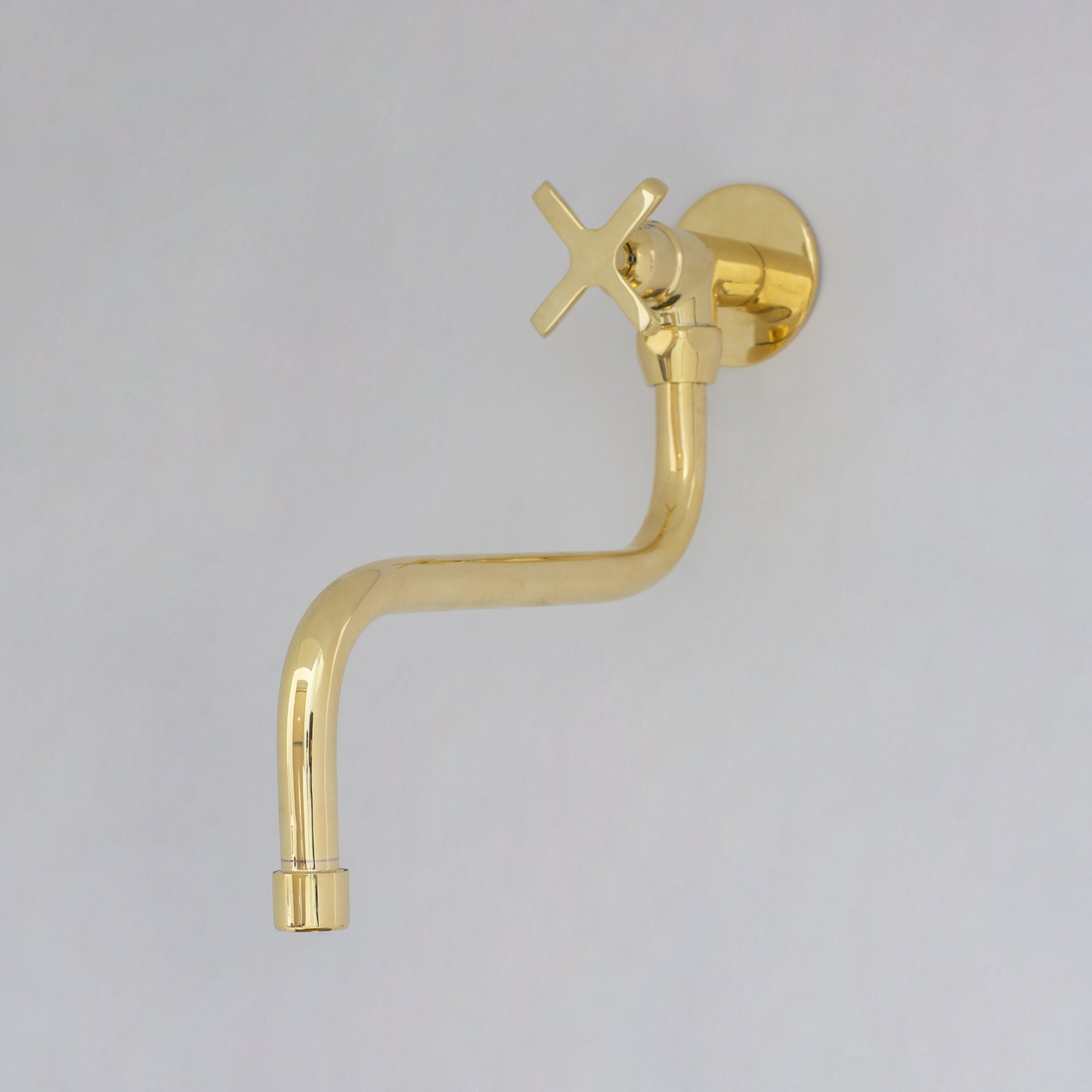
Brass Melting Point & Density: The Definitive Metallurgy Guide
Solid architectural brass features an exceptional melting threshold of 1,650°F to 1,725°F (900°C to 940°C) and a dense atomic structure of 8.40 to 8.73 g/cm³. Learn why these physical properties make solid sand-cast brass immune to high-BTU kitchen heat and how density verifies authentic solid metal.
6 min readHow to Age & Darken Unlacquered Brass Naturally: The Artisan Patina Guide
Raw, unlacquered brass is celebrated for its dynamic living finish that deepens in character over time. Learn the time-tested artisan methods to darken and age solid brass hardware at home—from gentle vinegar fuming to sulfur egg chambers—without corrosive chemical dips.
 6 min read
Satin Brass vs. Brushed Brass vs. Living Brass: The Finish Specifier's Guide
While often marketed interchangeably, satin brass and brushed brass are created through distinct mechanical finishing processes that yield different light reflections, tactile grains, and maintenance demands. Discover how these modern matte finishes compare to authentic unlacquered living brass.
6 min readHow to Tell if Brass is Real: The Definitive Metal Identification Guide
With mass-market hardware saturated with hollow plated zinc, pot metal, and anodized aluminum, discerning authentic solid brass is an essential skill for designers and homeowners. Master the 4 definitive, non-destructive identification tests to verify genuine architectural brass.
 6 min read
Is Brass Safe & Hypoallergenic? The Lead, Nickel & Food Safety Guide
From kitchen faucets and prep sinks to heirloom door knobs, homeowners often ask whether brass contains allergens or toxic metals. Explore the metallurgy of architectural brass: its naturally nickel-free composition, modern lead-free potable water certifications, and culinary safety rules.
 6 min read
Is Brass Conductive & What is Brassware? Electrical, Thermal & Hardware Guide
Brass possesses a unique balance of physical properties: substantial electrical conductivity (28% IACS), smooth thermal dissipation, and non-sparking safety metallurgy. Unpack the science of brass conductivity and understand why the architectural trade designates premium fittings as "brassware".
7 min readdeVOL vs. Waterstone vs. Rejuvenation vs. Newport Brass: The Luxury Brass Comparison
Specifying luxury brass requires navigating distinct manufacturing philosophies—from English artisan workshops and American precision CNC suites to Moroccan sand-cast foundries. We compare deVOL, Waterstone, Rejuvenation, and Newport Brass on raw metal integrity, living patina behavior, valve mechanics, and price-to-craft value.
 6 min read
Satin & Brushed Brass Door Hardware: Knobs, Levers, Backplates & Escutcheons
Door hardware is the physical handshake of every room. Whether outfitting historic mortise doors or standard residential boreholes, selecting between satin brass door knobs, heavy brushed levers, and tall architectural escutcheons requires balancing mechanical backsets, spindle tolerances, and tactile metal heft.
6 min readUnlacquered Brass Kitchen Faucets: Bridge Faucets, Goosenecks & Cross Handles
The kitchen faucet is the kinetic centerpiece of the culinary workspace. Specifying unlacquered brass kitchen faucets demands understanding how an exposed mixing bridge, high-arc gooseneck spout clearance, and 4-point cross handles perform under constant daily water contact and natural atmospheric patina.
6 min readFrench Bistro Brass Cafe Curtain Rods: Sizing, Rings & Bracket Guide
Evoking the timeless romance of Parisian brasseries, solid brass cafe curtain rods provide intimate street-level privacy while keeping upper window panes open to natural sunlight. Learn how to specify solid rod calibers, calculate precise ring spacing, and install flush inside-casing end sockets.
6 min readUnlacquered Brass Wall Sconces: Vanity Lighting, Library Lamps & Sconce Sizing
Wall sconces transform architectural surfaces from passive boundaries into warm, layered ambient experiences. Discover how to specify unlacquered brass wall sconces—from calculating optimal 60-to-65-inch eye-level vanity heights to UL damp location ratings and natural thermal patina maturation.
6 min readKitchen Island Brass Pendant Lighting: Drop Heights, Spacing & Sizing Guide
Suspended above the kitchen island, brass pendant lights serve as architectural focal points that balance task illumination with sculptural warmth. Master the essential specification rules—including the 30-to-36-inch clearance benchmark, mathematical pendant spacing formulas, and rigid solid brass downrod engineering.
6 min readOutdoor Solid Brass Lighting & Lanterns: Marine-Grade Porch Lights & Sconces
Exterior illumination represents a home's frontline defense against severe weather and coastal sea spray. Specifying solid brass outdoor light fixtures ensures absolute immunity to rust and structural decay, while gracing entry porticos and garden gates with timeless, living verdigris patina.
6 min readSolid Brass Switch Plates & Electrical Brassware: Toggles, Rockers & Dimmers
Light switch plates are the most frequently engaged tactile surfaces in any residence. Discover how upgrading to solid brass switch plates and unlacquered electrical brassware transforms flimsy plastic wall covers into substantial architectural statements that ground safely and mature gracefully with daily touch.