Satin Brass vs. Brushed Brass vs. Living Brass: The Finish Specifier's Guide
While often marketed interchangeably, satin brass and brushed brass are created through distinct mechanical finishing processes that yield different light reflections, tactile grains, and maintenance demands. Discover how these modern matte finishes compare to authentic unlacquered living brass.
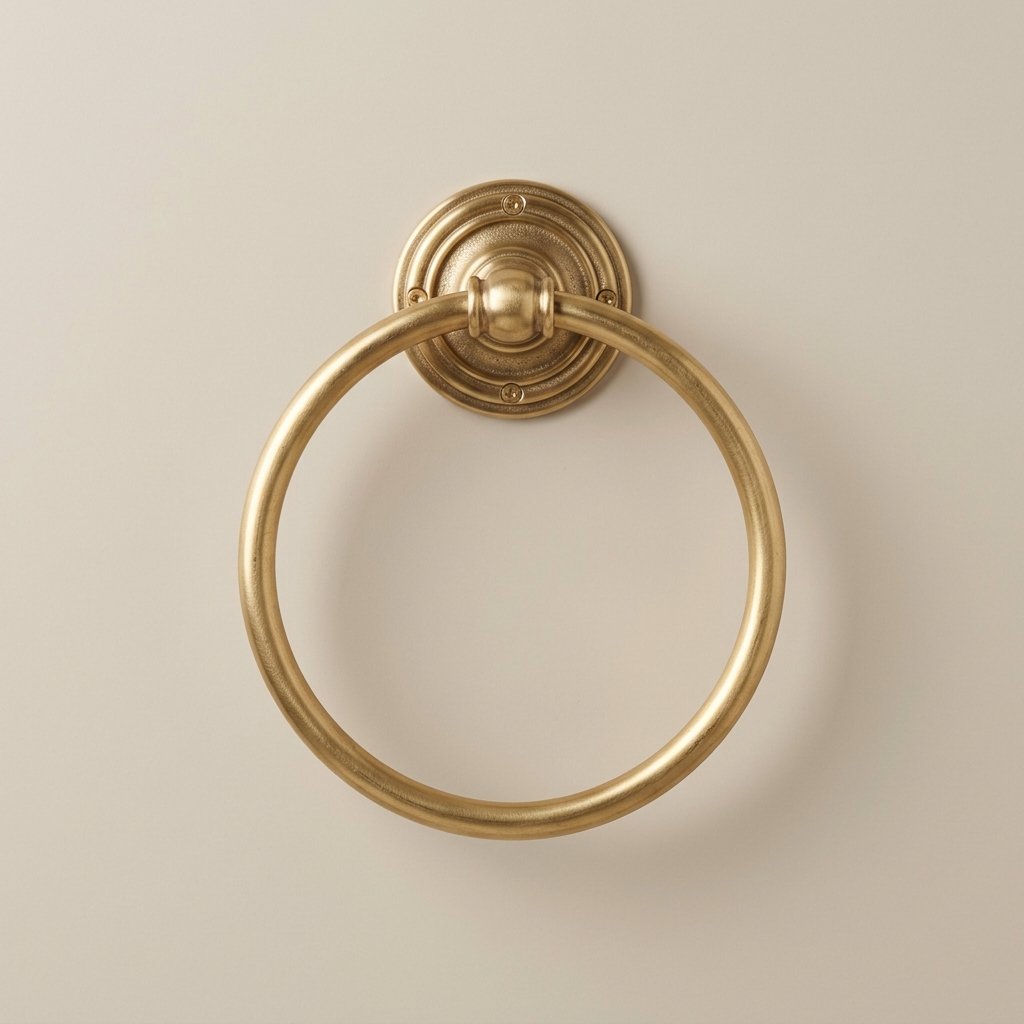
Mechanical Finishing: Wire-Brushed Directional Grain vs. Bead-Blasted Satin Matte
In architectural metalwork, the visual distinction between satin and brushed brass originates in mechanical tooling. Brushed brass is created by running solid metal against rotating wire wheels or abrasive grit belts (typically 180 to 240 grit). This process scores millions of parallel micro-linear striations across the surface, giving the hardware a textured, industrial-modern aesthetic that redirects ambient light along its grain axis.
Satin brass, conversely, achieves its low-luster sheen through non-directional abrasion. Artisans subject the cast metal to fine glass-bead blasting or vibratory tumbling in ceramic media. The result is an ultra-smooth, velvety surface that scatters light evenly in every direction with zero perceptible line work.
Sealed Protective Topcoats vs. Living Unlacquered Metal
The single most critical specification factor is whether the matte finish is sealed or living. High-volume commercial brands spray clear polyurethane lacquer over brushed brass to permanently freeze its bright yellow-gold tone. However, when clear lacquer inevitably chips around screw holes or edges, moisture enters beneath the seal, creating unfixable dark brown worm-like blotches.
Authentic sand-cast brass ateliers offer unlacquered brushed brass. Without synthetic barriers, the microscopic valleys of the brushed texture oxidize first into rich umber tones, while everyday palm contact continuously buffs the high ridges. This yields a dynamic two-tone heirloom finish that self-heals perpetually.
Daily Performance: Fingerprints, Water Spots, and Kitchen Scratch Resistance
For active family kitchens and luxury powder rooms, surface maintenance dictates finish choice. High-polish brass reflects light like a mirror, making dried mineral drops and natural skin sebum immediately noticeable.
Brushed and satin finishes eliminate glare. The microscopic texture diffuses ambient light, effectively disguising daily kitchen smudges and minor hairline scratches from rings or keys. In hard water areas, brushed unlacquered brass simply incorporates mineral salts into its evolving natural patina.
The Specifier's Dilemma: Why Brand Finish Swatches Rarely Match
There is no universal industrial standard for "satin" or "brushed" brass. A satin brass pull from one manufacturer may feature a cool greenish-yellow tint due to high zinc ratios and acrylic clear coats, while a brushed brass faucet from another maker displays warm orange-copper undertones.
When designing a cohesive space, specifying solid sand-cast unlacquered brass across all plumbing fixtures, cabinet latches, and towel hardware ensures an exact metallurgical match. Because every fixture shares identical raw copper-zinc ratios, they age harmoniously in natural light.
Care, Maintenance & Restoring Abrasive Sheens
Caring for brushed and satin hardware requires a different approach than polished metal. Never use heavy liquid polishing pastes on directional brushed brass, as liquid abrasives will fill the grooves and flatten the texture into a cloudy semi-gloss.
For everyday cleaning, wipe with a damp microfiber cloth and mild soap. If unlacquered brushed brass develops uneven water stains, a light sweep with a maroon Scotch-Brite hand pad along the direction of the original grain instantly restores crisp linear definition and uniform luster.
Conservator's PrincipleNever introduce abrasive steel wool or caustic ammonia-based bathroom cleaners to raw unlacquered brass. Warm water with natural soap cleans dirt without stripping accumulated antique patina; a 30-second wipe with jeweler’s rouge or brass paste resets to Day 01 mirror gold anytime.
Frequently Addressed Inquiries
Is satin brass the exact same finish as brushed brass?
No. Brushed brass features distinct, directional parallel brush lines etched across the metal using wire wheels or abrasive belts. Satin brass, by contrast, is produced by glass-bead blasting or ultrafine tumbling, creating a silky, non-directional matte glow without visible grain lines.
Do satin brass and brushed brass tarnish or change color over time?
Most mass-market satin and brushed brass fixtures are sealed with electroplated protective clear coats or PVD (Physical Vapor Deposition) that freeze the color permanently. However, authentic artisan brushed brass is left raw and unlacquered, allowing the brushed grooves to patinate into an exquisite high-contrast antique finish.
Which brass finish is better at concealing fingerprints and water spots?
Brushed brass is superior for high-touch kitchens and family bathrooms. The micro-grooves diffuse direct light reflections and break up finger oil smudges, whereas mirror polished brass highlights every water droplet.
Can you mix satin brass hardware with unlacquered living brass fixtures in the same room?
Yes, if done with intentional contrast. Interior designers frequently pair matte satin or brushed brass cabinet hardware with a statement unlacquered living brass bridge faucet, allowing the faucet to mature as a natural focal piece while the hardware maintains a subtle matte backdrop.
Handcrafted Brass Featured in This Study


