How to Tell if Brass is Real: The Definitive Metal Identification Guide
With mass-market hardware saturated with hollow plated zinc, pot metal, and anodized aluminum, discerning authentic solid brass is an essential skill for designers and homeowners. Master the 4 definitive, non-destructive identification tests to verify genuine architectural brass.
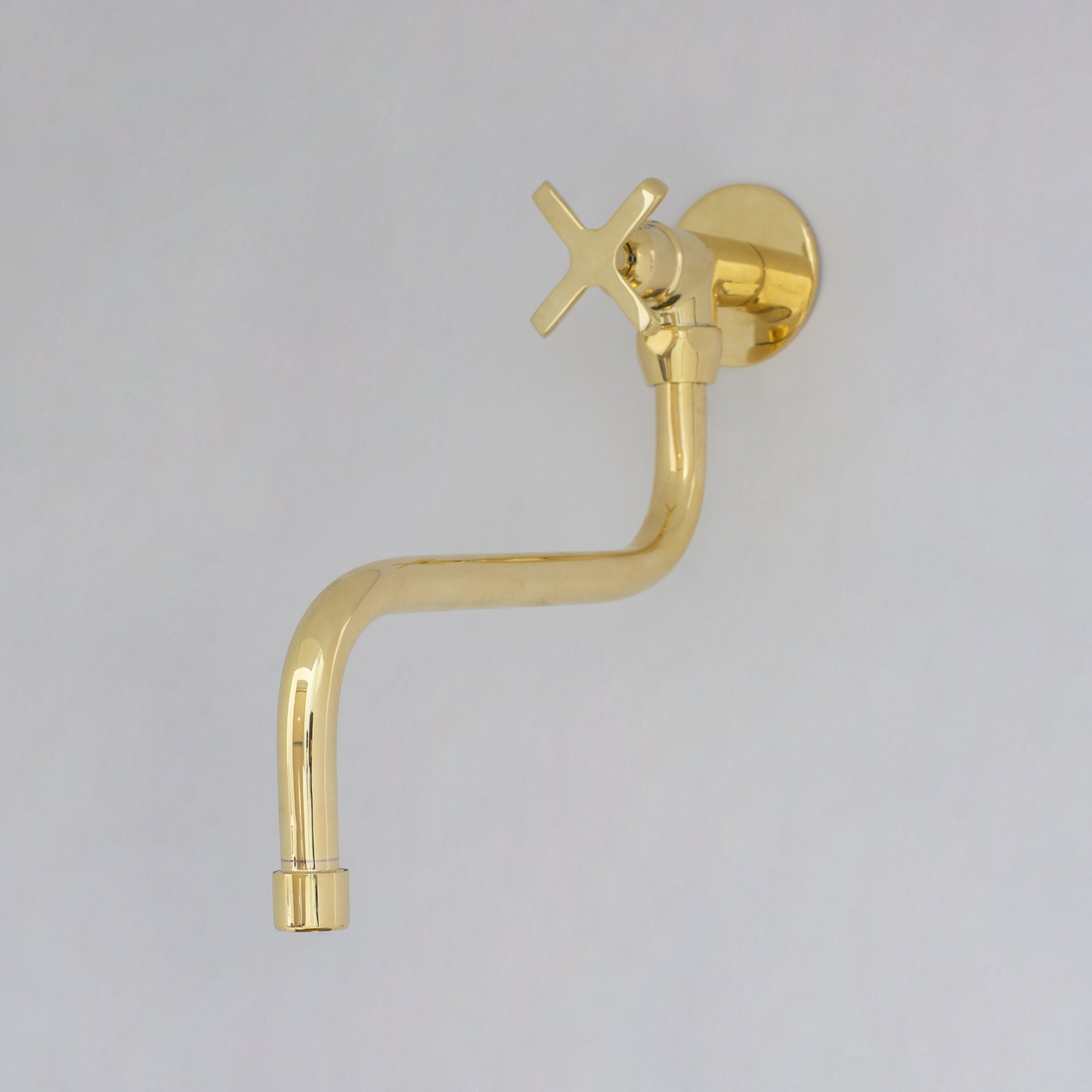
The 4 Non-Destructive Tests for Authentic Solid Brass
Whether salvaging antique hardware or inspecting new fixtures, four physical tests will immediately verify authentic solid brass:
1. The Neodymium Magnet Test: Pure brass is non-ferrous. A rare-earth magnet should slide completely off the surface. If it adheres firmly, the base metal is magnetic steel with a micro-thin electroplated brass skin that will rust over time.
2. The Acoustic Chime Test: Tap the fixture suspended from a string. Solid brass exhibits crystalline acoustic resonance, producing a high-frequency sustained ring akin to a ship's bell.
3. Specific Gravity Heft: Genuine sand-cast brass weighs ~8.50 g/cm³. In your hand, it feels noticeably dense, cold, and solid, unlike featherweight anodized aluminum (~2.7 g/cm³).
4. Inconspicuous Scratch Check: On the underside of a mounting plate or inside a screw thread, make a micro-scratch with a steel nail. If golden yellow metal appears beneath, it is solid brass. If a dull silver-grey or reddish flake emerges, it is plated pot metal.
The Non-Ferrous Hierarchy: Copper vs. Brass vs. Bronze
Buyers frequently confuse the three major copper-based architectural metals. Understanding their composition clarifies their structural purpose:
• Elemental Copper (Cu 99.9%): Soft, malleable, distinctly salmon-pink. Primarily specified for traditional cookware, roofing caps, and electrical wiring.
• Architectural Brass (Cu 65%, Zn 35%): Dense, corrosion-resistant, bright warm gold. The premier standard for sand-cast door hardware, precision kitchen faucets, and luxury bath fittings.
• Architectural Bronze (Cu 88%, Sn 12%): Hard, brittle, darker reddish-brown. Historically favored for monumental outdoor statuary and marine bearings.
Plated Pot Metal & Zamak: Why Cheap Replicas Fail
Modern big-box stores heavily rely on die-cast zinc alloys, known commercially as Zamak or pot metal. Manufacturers inject molten zinc into high-speed steel dies, coat the hollow casting with a 5-micron brass flash, and seal it with cheap clear lacquer.
While attractive in packaging, plated pot metal has severe failure modes. In humid bathrooms or near kitchen sinks, microscopic pinholes in the lacquer allow moisture to contact the zinc core. This triggers galvanic corrosion, causing the brass plating to bubble, blister, and peel away in jagged flakes that cannot be repaired.
Foundry Evidence: Sand-Cast Parting Lines and Hand-Tooled Hefts
Authentic artisan brass carries tactile evidence of its foundry creation. In traditional Marrakech sand casting, molten brass is poured into two-part compacted sand flasks.
When demolded, each piece features subtle parting line variations and organic micro-textures from silica sand grains. Artisans hand-chisel the sprues and hand-turn the mounting threads on lathes. Unlike the glassy, sterile perfection of injection-molded zinc, solid sand-cast brass possesses unmistakable artisanal warmth and generational weight.
Caring for Verified Solid Brass
The greatest advantage of authentic solid brass is permanence. Because the metal is solid alloy throughout its entire thickness, it can never "wear through" to an inferior core metal.
If neglected for decades, tarnished solid brass can be restored to showroom radiance in minutes with gentle brass polish. Left alone, it matures into an antique living patina that increases in aesthetic depth and monetary value year after year.
Conservator's PrincipleNever introduce abrasive steel wool or caustic ammonia-based bathroom cleaners to raw unlacquered brass. Warm water with natural soap cleans dirt without stripping accumulated antique patina; a 30-second wipe with jeweler’s rouge or brass paste resets to Day 01 mirror gold anytime.
Frequently Addressed Inquiries
Are copper and brass the exact same metal?
No. Copper is a pure chemical element (Cu) characterized by a distinct reddish-salmon hue and high malleability. Brass is a binary alloy created by smelting copper with zinc (typically 65% copper, 35% zinc), resulting in a substantially harder metal with a rich golden-amber tone.
Does authentic solid brass attract a magnet?
No. Authentic architectural brass contains zero iron or nickel and is completely non-ferrous and non-magnetic. If a strong neodymium magnet clings to your fixture, the item is stamped steel or cast iron coated in an ultra-thin decorative brass plating.
How do you distinguish solid brass from brass-plated zinc (pot metal)?
Weight and a concealed scratch test are definitive. Solid sand-cast brass has a dense specific gravity of ~8.5 g/cm³, whereas cast zinc (Zamak) is ~6.6 g/cm³ (over 25% lighter). Scratching an unexposed backside will reveal silvery-grey metal on plated zinc, but solid bright yellow gold on authentic brass.
What does genuine solid brass sound like when tapped?
When gently struck with a wooden dowel or coin, solid sand-cast brass rings with a clear, resonant, musical chime that sustains for over a second. Hollow pot metal, zinc die-casts, or plated plastics produce a dead, muted "thud".
Handcrafted Brass Featured in This Study


