Honest metal. Hand-packed sand. Generational memory.
In an era dominated by hollow zinc alloy and synthetic polyurethane spray, Medina Brass adheres to the ancient foundry art: architectural brass melted in graphite crucibles, poured into sand, chased by human hands, and left unlacquered to age with dignity.
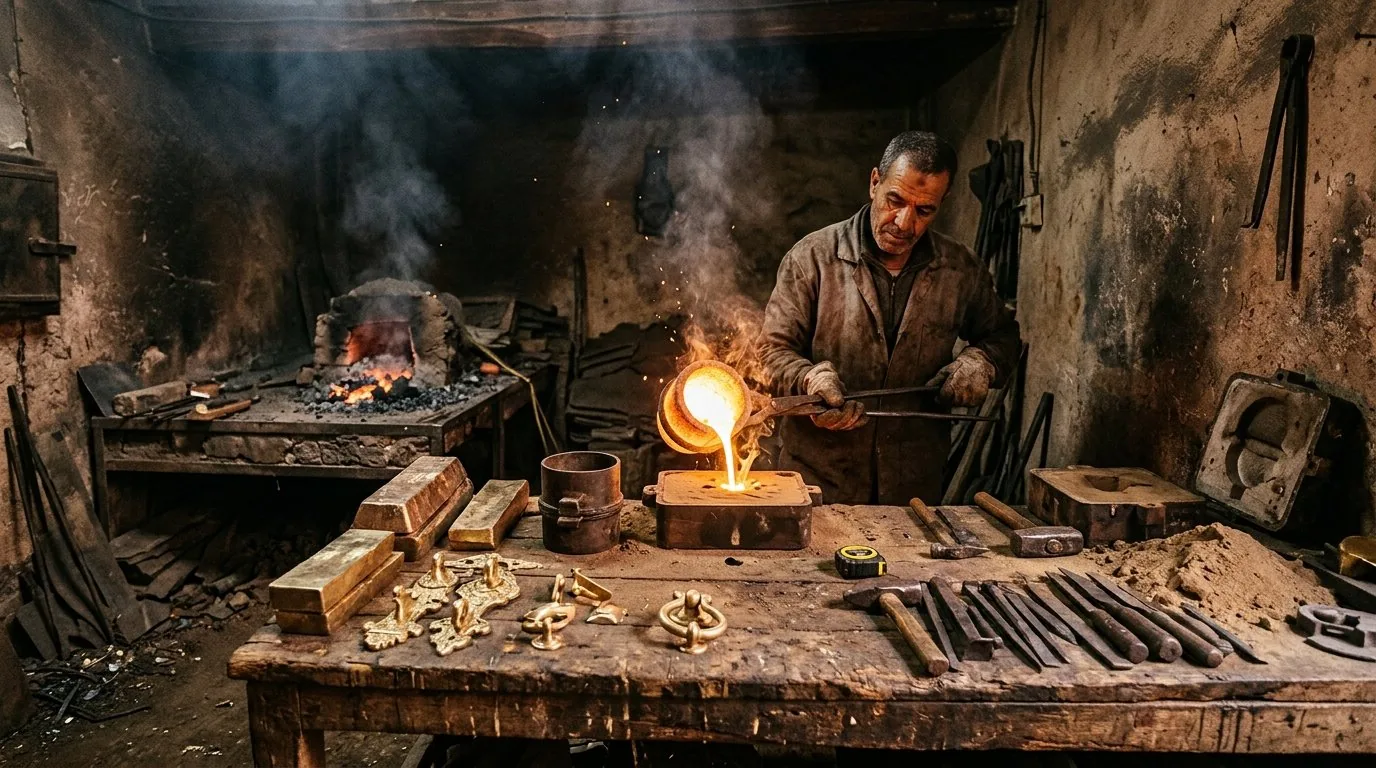
Traditional sand-casting and crucible pouring in Marrakech.
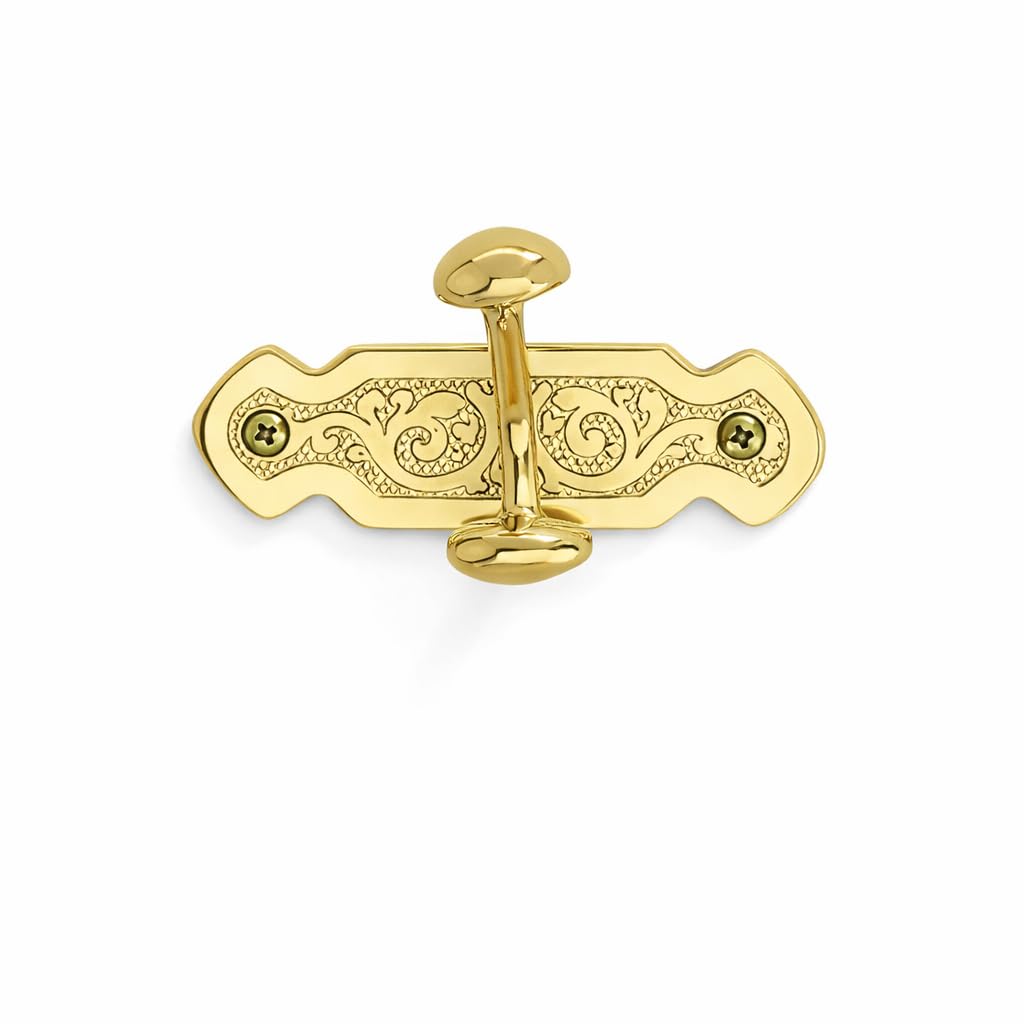
Hand-filing and rotary buffing without clear lacquers.
The 5 Stages of Sand-Casting
Hand-Carving the Master Pattern
Every hardware silhouette originates as a physical master carved from dense hardwood and jeweler’s wax. Traditional geometric proportions are chiseled by hand to establish crisp relief lines.
River Sand & Clay Molding
The master pattern is packed into fine silica river sand blended with organic binders within a two-part iron flask. When withdrawn, it leaves an exacting negative imprint with delicate micro-grain textures.
Crucible Pouring
Solid architectural brass ingots are melted in graphite crucibles over intense foundry heat. Master foundrymen hand-pour the molten golden stream down sprues into the sand beds.
Demolding & Hand-Chasing
Once cooled, the sand mold is cracked open. Each raw casting is sawed from its pouring tree, cleaned of sand, and chased by senior metalsmiths who sharpen engravings and file mounting flanges flush.
Rotary Cotton Buffing — Never Lacquered
Instead of dipping the brass into polyurethane clear coats, the metal is buffed on rotating cotton wheels with gentle jeweler’s rouge. The surface remains raw, alive, and ready to oxidize naturally in your home.
Why Pure Solid Brass Endures for Centuries
- Core Metal: Cast from inexpensive zinc-aluminum alloy (ZAMAK) or plastic, electroplated with a micro-thin flash of brass color.
- Clear Lacquer: Sealed with polyurethane plastic. Within 2–3 years, keys and fingernails scratch the clear coat.
- Corrosion Blisters: Once the lacquer cracks, humidity reaches the zinc beneath, producing irreversible white oxidation splotches.
- Non-Restorable: Plated finishes cannot be polished or repaired; once tarnished, they must be discarded.
- Core Metal: Pure solid architectural brass throughout. Heavy, dense, and durable in the hand.
- Living Surface: Zero synthetic lacquer coatings. The bare metal breathes and develops a one-of-a-kind antique patina.
- Organic Living Character: Pure monolithic solid brass unmarred by synthetic clear-coats, aging gracefully with touch and ambient air.
- Perpetually Renewable: A simple 30-second wipe with metal polishing paste dissolves surface patina and restores Day 01 golden luster.
The Metalsmiths of Marrakech
Generational Sand-Casting Guild · Marrakech Medina
In the historic foundry quarters of the Marrakech Medina, generations of metalsmiths have preserved the ancient art of hand-packed silica sand molding. While global commercial manufacturing transitioned to automated plastic injection and cheap zinc die-casting, the artisan workshops of Marrakech maintained the human touch, tactile weight, and acoustic resonance of genuine solid brass.
Every casting begins with natural river sand blended with organic binding clays, hand-rammed into two-part iron flasks around carved wooden master patterns, ensuring dense solid brass castings free of hollow voids.
Medina Brass partners directly with these independent foundry workshops. By commissioning hardware on a direct, made-to-order basis, we ensure Moroccan artisans receive fair, immediate compensation while connecting architects and homeowners with authentic metalwork.
Explore the Atelier Collection
Complimentary insured worldwide Express Air delivery on every order (6–12 Business Days total).