Is Brass Magnetic? The Definitive Magnet Test for Solid Brass
No, authentic solid brass is never magnetic. Because brass is an alloy composed strictly of copper and zinc — two non-ferrous, diamagnetic metals — a magnet will never stick to genuine architectural brass. Discover how to use the magnet test to expose hollow plated steel knockoffs before renovating.
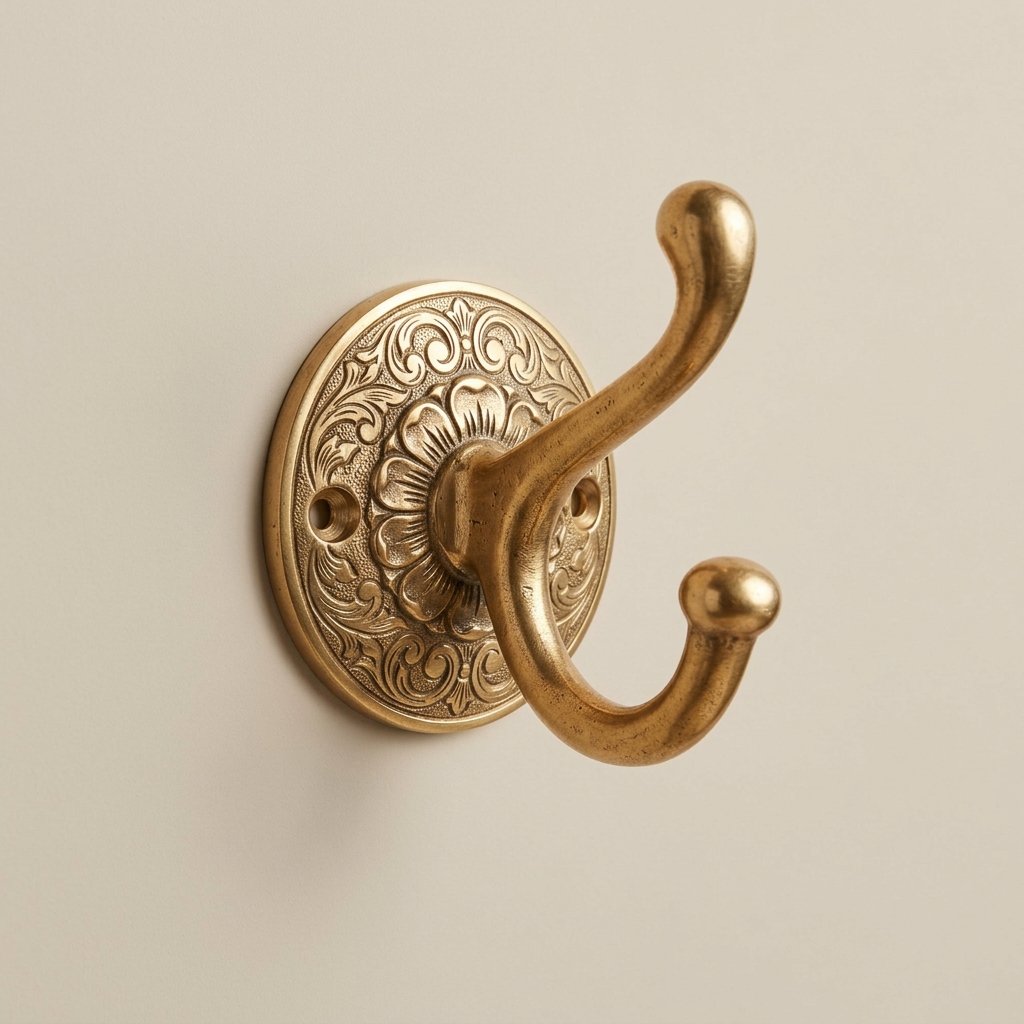
The Metallurgy: Why Real Brass Repels Magnetic Fields
Magnetism in materials requires unpaired electron spins within atomic orbitals, which create net magnetic dipoles that align with external magnetic fields. This phenomenon is characteristic of ferromagnetic elements such as iron, cobalt, and nickel.
Architectural brass is a binary alloy composed of 65% copper (Cu) and 35% zinc (Zn):
• Copper has a completely filled 3d electron subshell with all electrons paired, making it fundamentally diamagnetic (it weakly repels magnetic fields rather than attracting them).
• Zinc similarly features filled 3d and 4s shells, exhibiting zero net magnetic moment.
Because neither constituent element possesses unpaired electrons, solid unlacquered sand-cast brass hardware is inherently non-magnetic.
The 3-Step Field Magnet Protocol for Homeowners & Designers
Step 1: The Neodymium Magnet Surface Test
Hold a strong rare-earth (neodymium) magnet against the face of the hardware. If you feel any magnetic grab, snap, or resistance when pulling the magnet away, the core material is steel or iron coated with an electroplated brass wash.
Step 2: Isolate Internal Fasteners and Spindles
When testing complex assemblies like privacy door knobs, latchsets, or articulated pot filler joints, test the center of the outer rosette or swing arm. Internal mechanical springs and mounting machine screws are frequently fabricated from tempered steel for shear strength, which can cause localized magnetic pull if tested directly over the screw hole.
Step 3: The Heft and Density Check
Solid architectural brass is exceptionally dense (approx. 8.4 to 8.73 g/cm³). Cheap knockoffs cast from aluminum or pot metal zinc may pass the magnet test (as zinc and aluminum are also non-magnetic), but they feel featherweight in the hand. A genuine Marrakech sand-cast wall hook weighs roughly 3 times more than an aluminum equivalent.
How Mass-Market Knockoffs Fake the Brass Aesthetic
The vast majority of commercial "brass" hardware sold in big-box retail centers is fabricated from stamped cold-rolled sheet steel or cast pot metal dipped in a 1-micron yellow electroplating bath and coated with clear polyurethane.
Within 12 to 24 months in a humid bathroom or kitchen, finger rings and keys scratch through the lacquer, allowing ambient moisture to contact the raw steel core. The result is rapid, unsightly rust bleed and bubbling finish failure that cannot be polished out.
By contrast, authentic Marrakech sand-cast unlacquered brass is solid alloy throughout. It never flakes, never rusts, and continuously evolves a living heirloom patina that lasts for generations.
Conservator's PrincipleNever introduce abrasive steel wool or caustic ammonia-based bathroom cleaners to raw unlacquered brass. Warm water with natural soap cleans dirt without stripping accumulated antique patina; a 30-second wipe with jeweler’s rouge or brass paste resets to Day 01 mirror gold anytime.
Frequently Addressed Inquiries
Is real solid brass magnetic?
No. Genuine solid brass is completely non-magnetic. Both copper and zinc possess full or paired electron configurations that do not produce permanent magnetic dipoles. If a magnet sticks firmly to your hardware, it is brass-plated steel or iron.
How do you do the magnet test for brass?
Take any household refrigerator magnet or rare-earth neodymium magnet and touch it against the hardware. If the magnet snaps tightly to the surface, the piece is made of ferrous steel with a micro-thin brass wash. If there is zero attraction, the piece is non-ferrous solid brass or bronze.
Why does my vintage brass door knob have a faint magnetic pull?
This is a common false positive. While the cast brass knob itself is 100% non-magnetic, vintage mortise mechanisms contain carbon-steel latch springs, threaded iron spindles, or steel set-screws inside. Testing the outer cast shell away from the set-screw reveals zero magnetic pull.
Does temperature affect whether brass is magnetic?
No. Ferromagnetic metals like iron and nickel alter magnetic states across extreme Curie temperature thresholds. Because copper-zinc brass has zero ferromagnetic domains, it remains consistently non-magnetic across all ambient residential temperatures.
Handcrafted Brass Featured in This Study


