Is Brass Conductive & What is Brassware? Electrical, Thermal & Hardware Guide
Brass possesses a unique balance of physical properties: substantial electrical conductivity (28% IACS), smooth thermal dissipation, and non-sparking safety metallurgy. Unpack the science of brass conductivity and understand why the architectural trade designates premium fittings as "brassware".
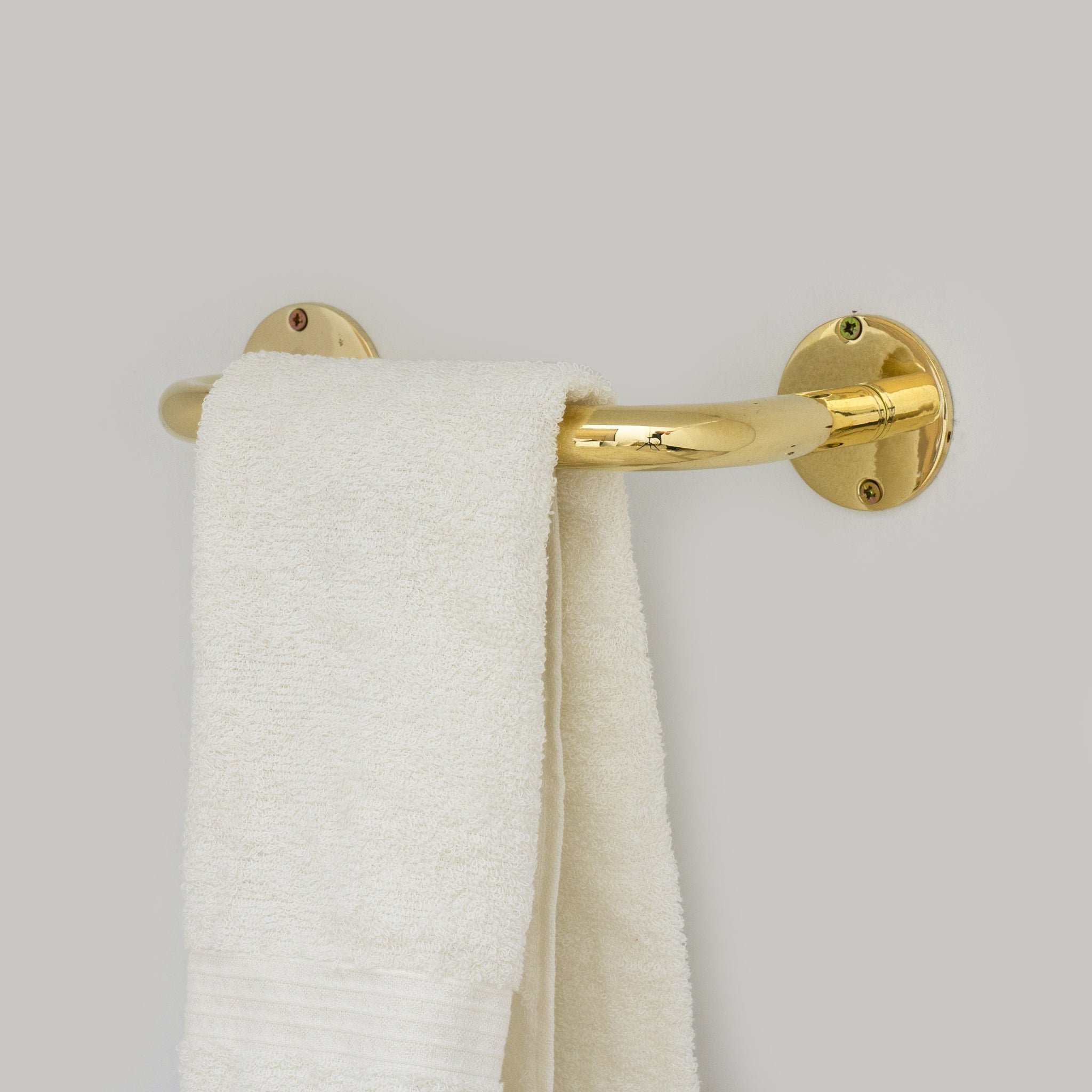
Electrical Conductivity: The 28% IACS Balance of Strength & Current
Electrical engineers measure the conductivity of non-ferrous metals against pure copper using the International Annealed Copper Standard (IACS), where pure copper represents 100%. Architectural yellow brass (65% copper, 35% zinc) registers at approximately 28% IACS.
While copper is the superior conductor for long-distance electrical cables, pure copper is soft and deforms under repeated physical strain. Brass solves this engineering challenge: the addition of 35% zinc triples mechanical yield strength without creating unacceptable electrical resistance.
Consequently, solid brass is specified for mission-critical electrical hardware—including heavy-duty wall switch plates, earth ground terminals, and industrial power prongs—where structural integrity and reliable conductivity must coexist.
Thermal Conduction: Why Solid Brass Thrives in High-Heat Environments
Thermal conductivity is the rate at which heat moves through a material. Architectural brass conducts heat at roughly 115 W/m·K (Watts per meter-Kelvin).
Compare this against common kitchen and bath materials:
• Architectural Solid Brass: ~115 W/m·K (superior, uniform thermal dissipation)
• Commercial Cast Iron: ~52 W/m·K (slow to absorb, prone to thermal shock)
• 304 Stainless Steel: ~16 W/m·K (poor conductor, concentrates localized heat points)
In luxury kitchens, wall-mounted pot fillers installed above commercial gas ranges encounter extreme radiant heat. Solid sand-cast brass absorbs stovetop thermal energy and dissipates it evenly throughout the faucet body, preventing valve cartridge binding and O-ring deterioration.
Defining "Brassware": The European Architectural Hierarchy
In European and British interior specifications, hardware is categorized under the historic term "brassware". This designation signifies solid forged or cast brass, distinguished from stamped steel or zinc pot metal.
The trade divides brassware into two distinct disciplines:
1. Sanitary Brassware: All plumbed water fixtures, including bridge taps, thermostatic shower valves, exposed bottle traps, and pop-up basin drains.
2. Architectural Brassware: Visible mechanical joinery, including unlacquered cabinet knobs, espagnolette bolts, drapery rods, and sand-cast wall hooks.
Specifying matching solid brassware ensures uniform tactile weight, authentic acoustic resonance, and a shared patina evolution throughout a luxury residence.
Non-Sparking Metallurgy: Gas Lines and Combustible Environments
Beyond residential aesthetics, brass plays an indispensable life-safety role in hazardous environments. Ferrous metals (iron and steel) can produce hot friction sparks when struck, capable of igniting airborne vapors or combustible dust.
Because binary brass contains no free iron, it cannot generate incendiary friction sparks. For over two centuries, brass has served as the mandated alloy for residential gas shutoff cocks, petroleum valves, and maritime fuel transfer lines where absolute explosion resistance is non-negotiable.
The Enduring Value of Authentic Solid Brassware
Whether chosen for its dependable thermal dissipation behind a 60,000 BTU range or specified as unlacquered sanitary brassware across a master bath sanctuary, solid brass represents an investment in permanence.
Unlike electroplated plastic or hollow zinc that degrades after five years of moisture exposure, solid sand-cast brassware withstands endless heat cycles, resists corrosion, and develops generational character that only improves with age.
Conservator's PrincipleNever introduce abrasive steel wool or caustic ammonia-based bathroom cleaners to raw unlacquered brass. Warm water with natural soap cleans dirt without stripping accumulated antique patina; a 30-second wipe with jeweler’s rouge or brass paste resets to Day 01 mirror gold anytime.
Frequently Addressed Inquiries
Is solid brass electrically conductive?
Yes. Solid brass conducts electricity effectively with a conductivity rating of approximately 28% IACS (International Annealed Copper Standard). While pure copper conducts electricity more efficiently, brass is significantly harder and more resilient, making it the universal standard for electrical prongs, plug pins, and switchgear terminals.
How does the thermal conductivity of brass compare to other metals?
Architectural brass has a thermal conductivity of approximately 115 W/m·K. It distributes heat far more rapidly than stainless steel (16 W/m·K) or cast iron (52 W/m·K), ensuring even heat distribution across kitchen pot fillers and hydronic towel rails without hot spots.
What does the term "brassware" mean in architectural design?
Originating in British and European architectural terminology, "brassware" refers to the broad spectrum of precision-engineered brass fittings in a building. It is categorized into "sanitary brassware" (faucets, shower mixers, waste drains) and "architectural brassware" (cabinet knobs, lever latches, window stays).
Why is brass categorized as a non-sparking safety metal?
Because brass is non-ferrous and softer than carbon steel, impact friction between brass and other metals does not generate incendiary sparks. This makes brass valves and fittings mandatory in explosive environments, natural gas lines, and marine engine compartments.
Handcrafted Brass Featured in This Study


