Brushed Satin & Mirror Polished Living Brass Faucets ($235–$585)
Product Collection: Handcrafted solid unlacquered brass faucets available in high-luster mirror polish and directional hand-brushed satin finishes ($235 to $585). Forged from binary 65/35 brass without clear-coat lacquers, each fixture arrives pristine and gradually matures into a bespoke living antique patina based on your kitchen usage and local water chemistry.
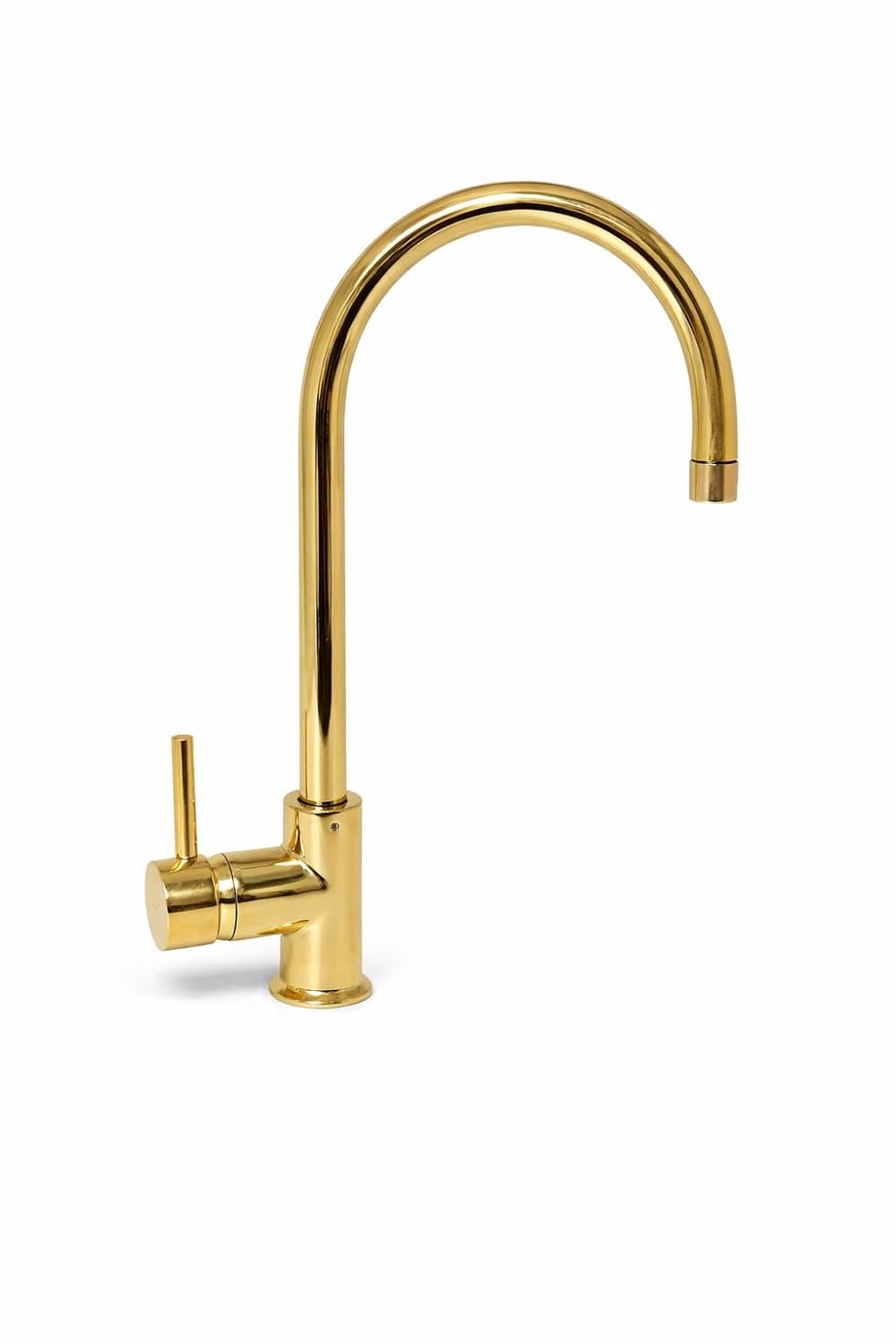
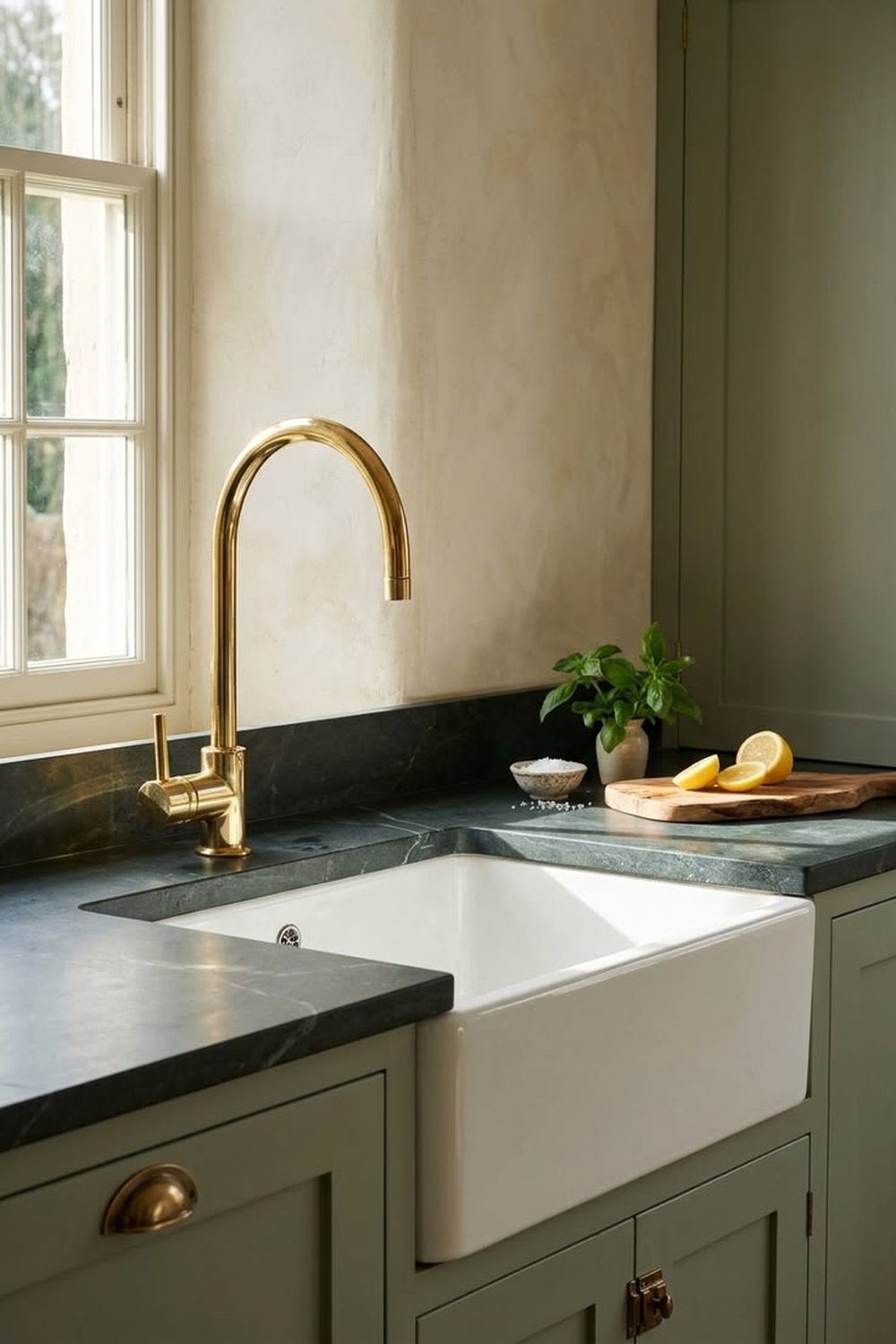
Unlacquered Brass Kitchen Faucet — Solid Brass Gooseneck Tap (Single Lever)
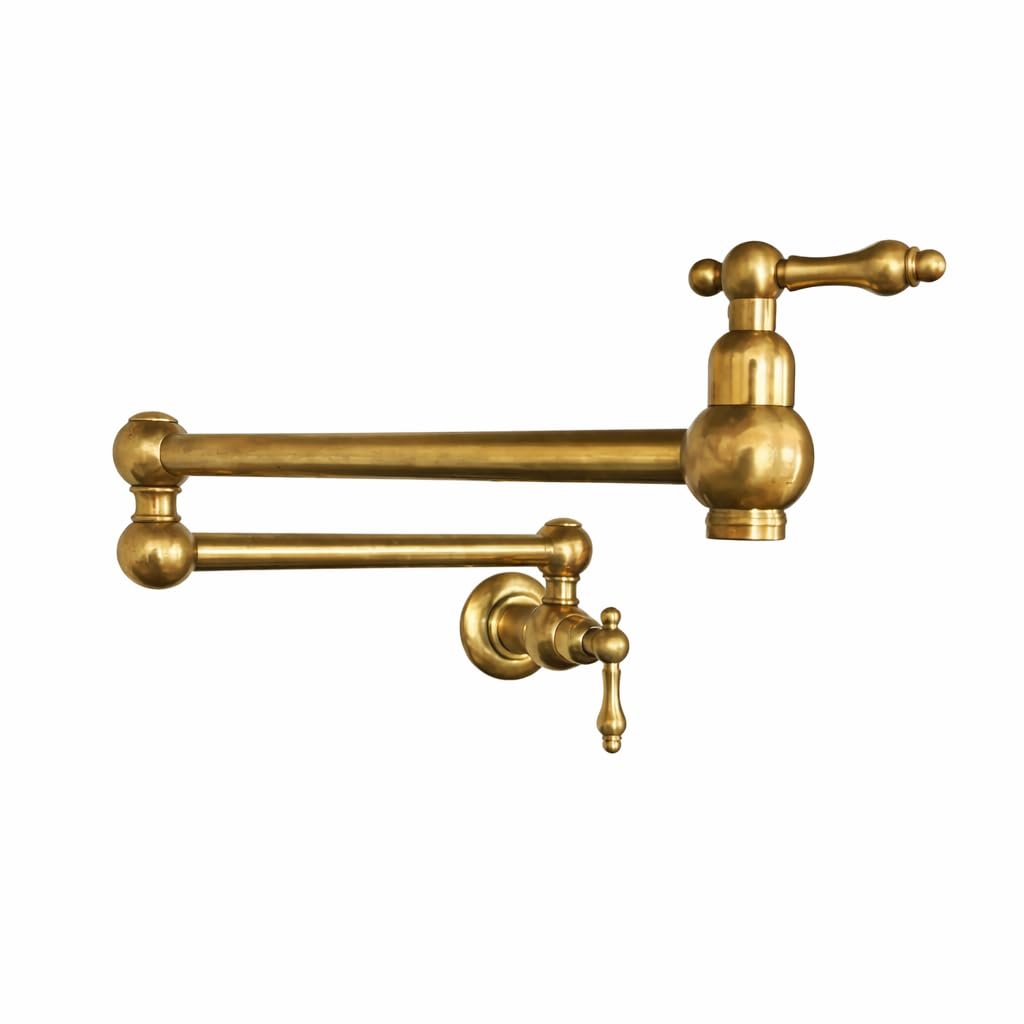
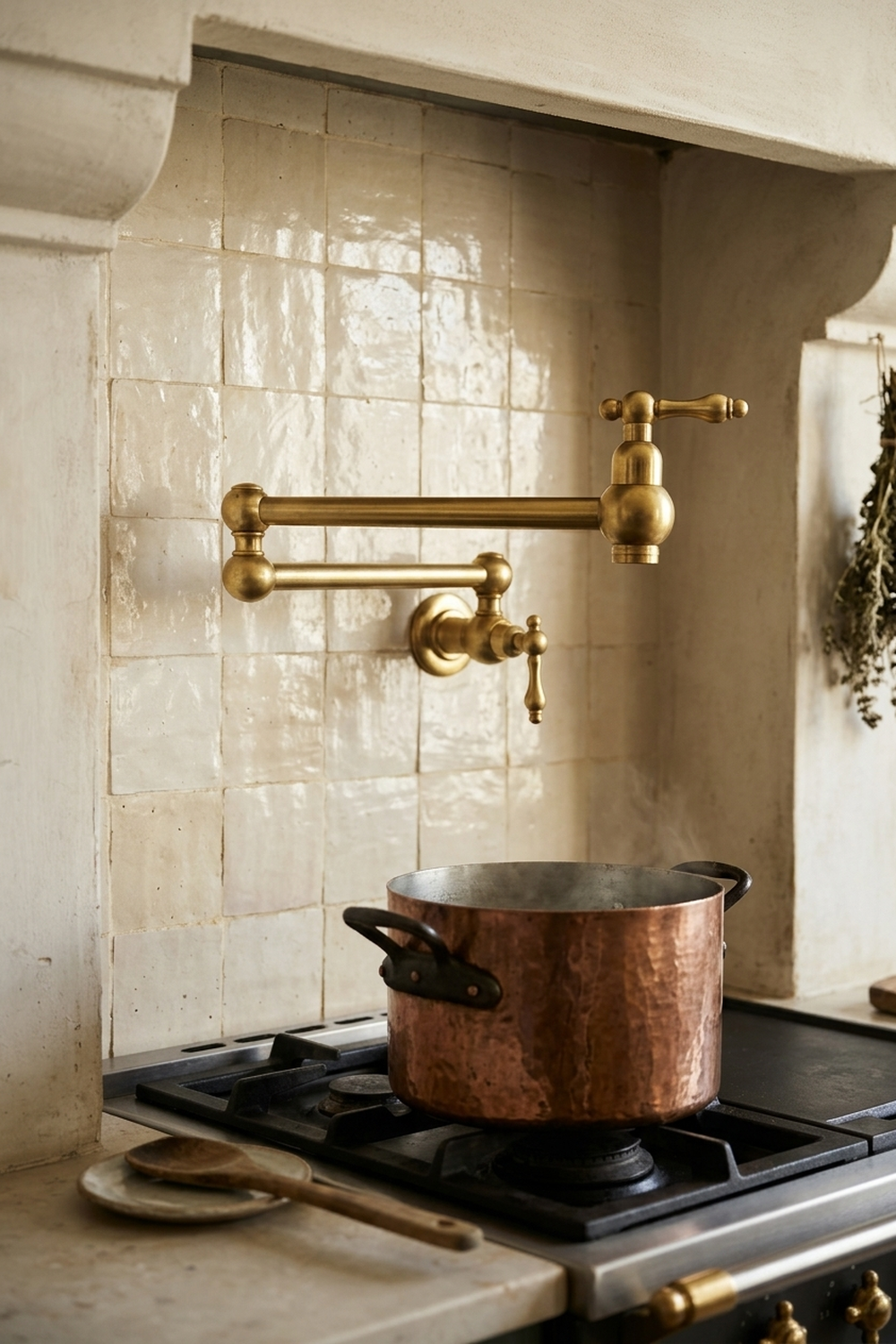
Solid Brass Pot Filler Faucet — Wall-Mounted Dual Articulating (24" Reach)
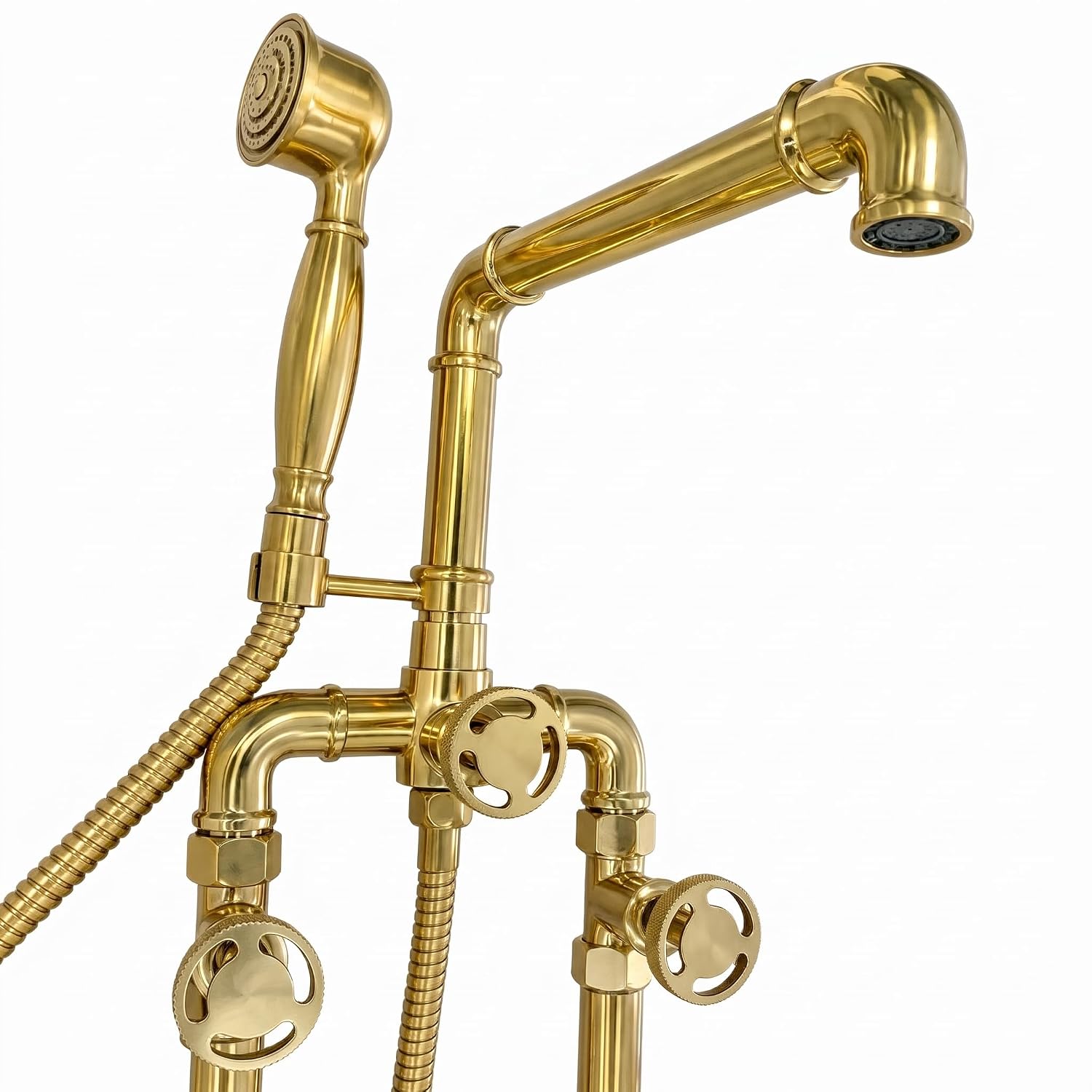
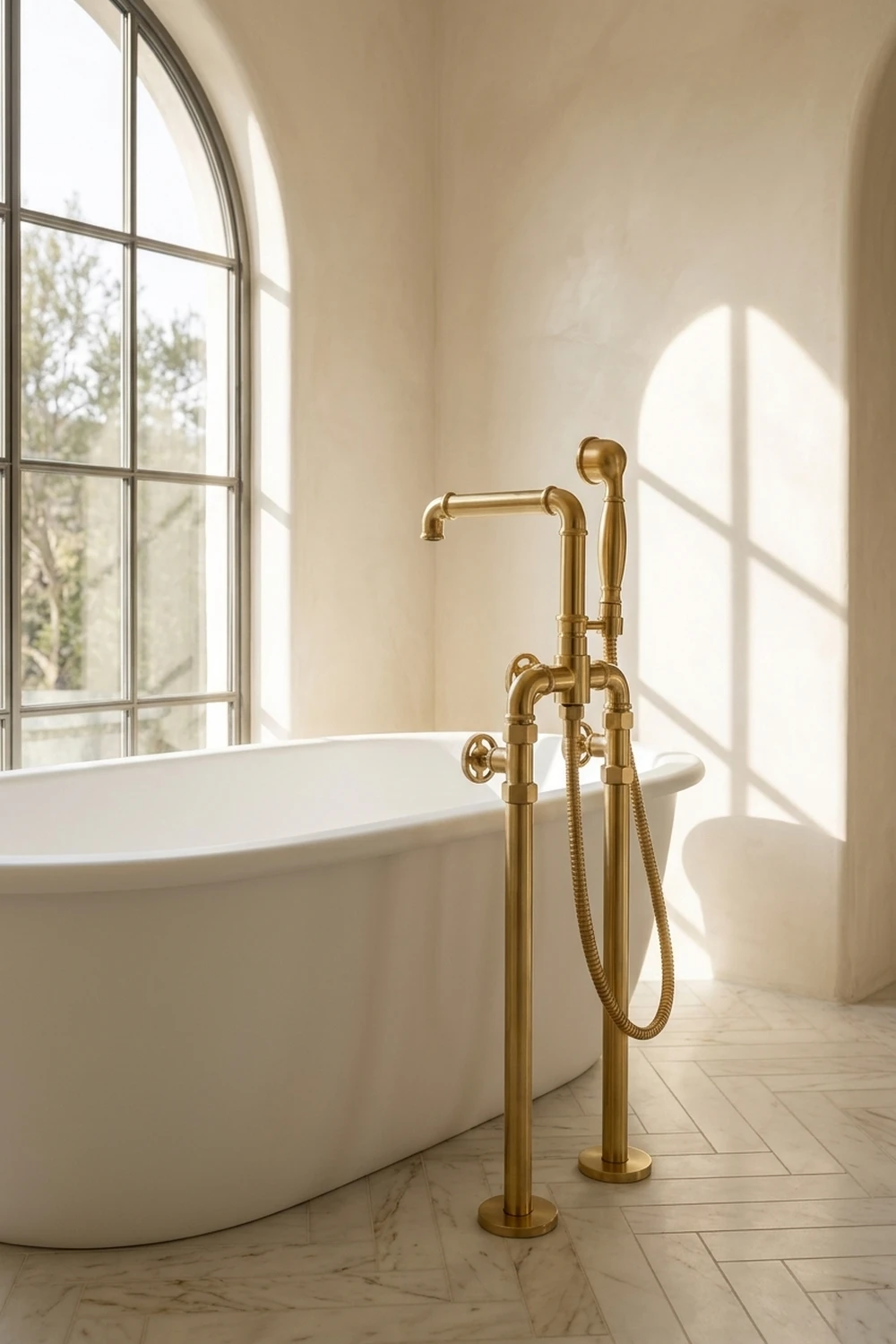
Freestanding Tub Faucet — Solid Unlacquered Brass Floor-Mount Tub Filler
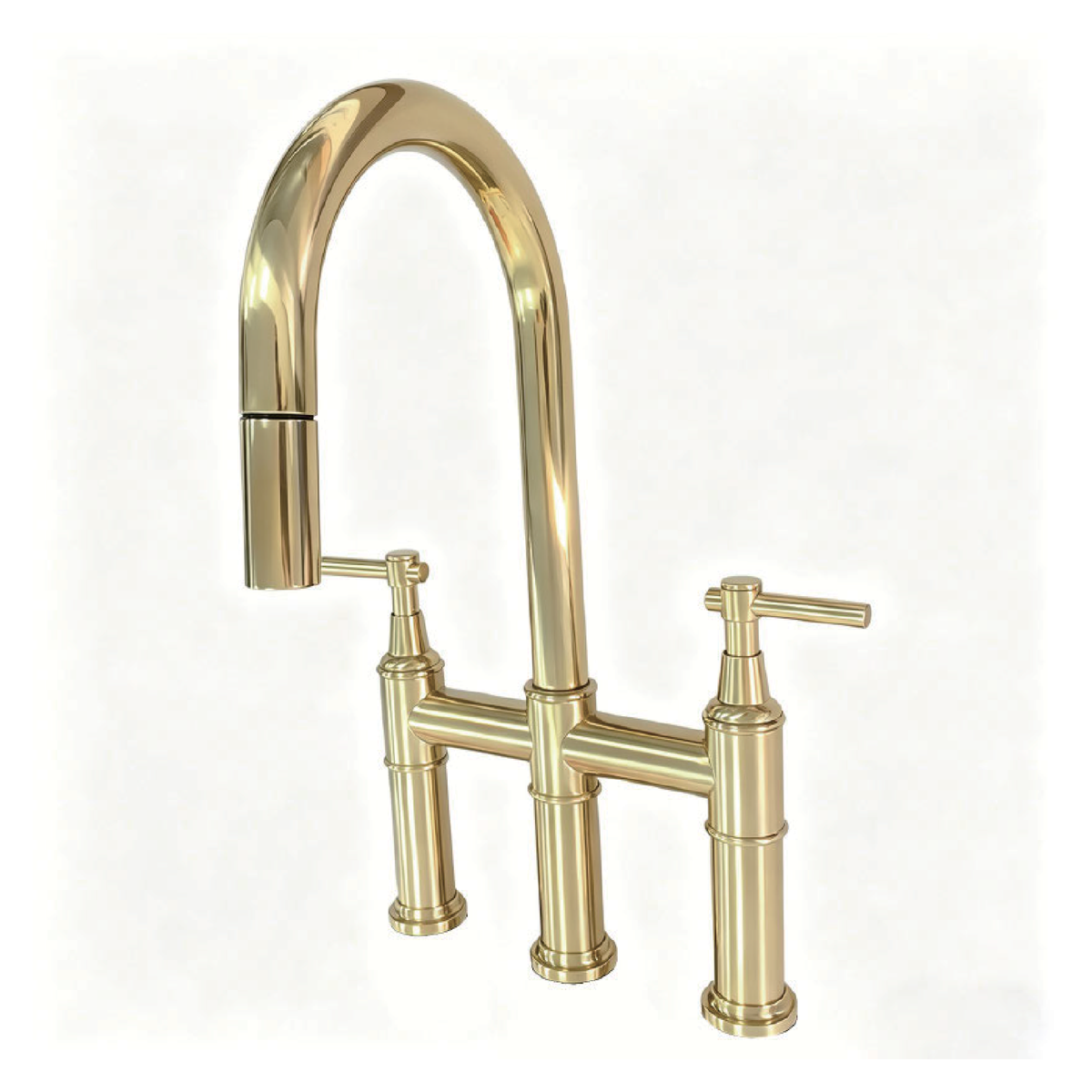
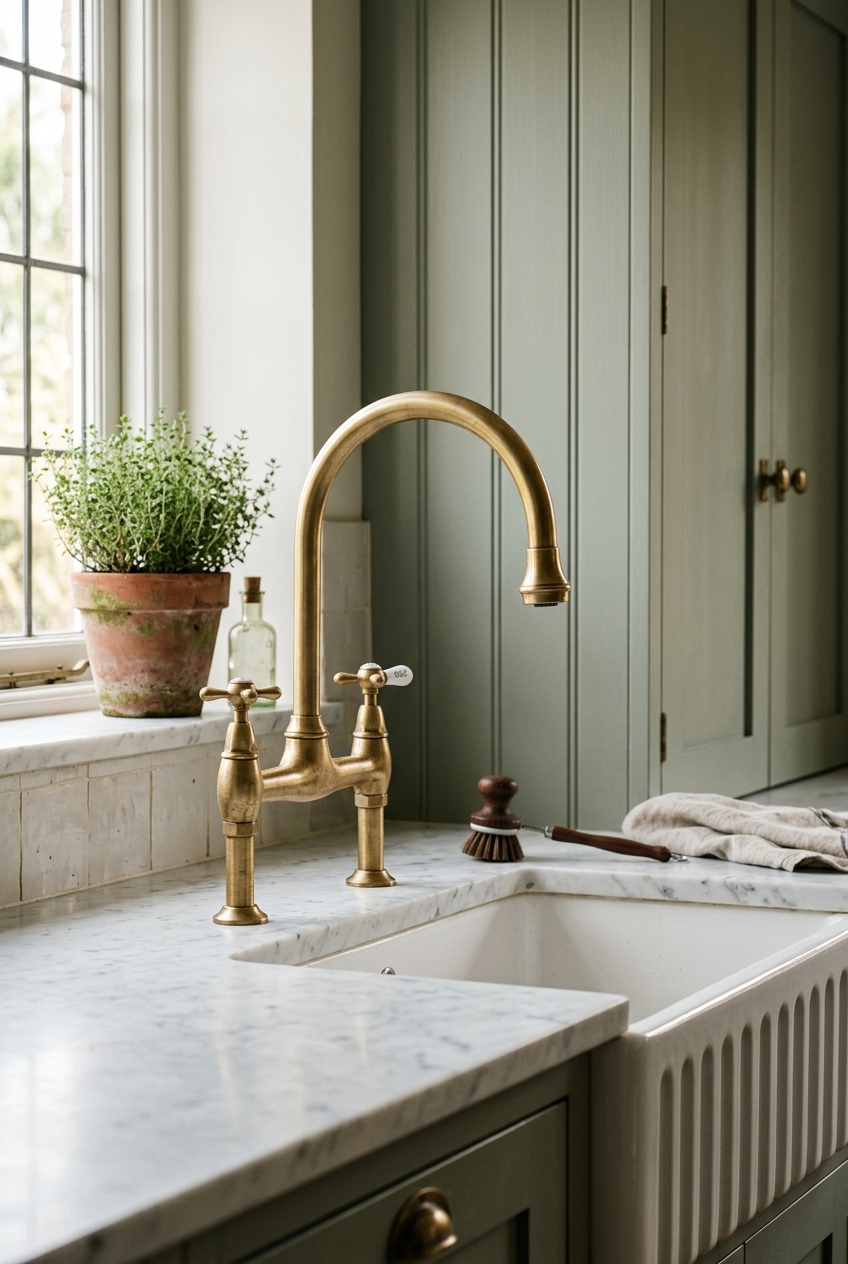
Unlacquered Solid Brass Bridge Kitchen Faucet — Antique Brass Straight-Leg Mixer
Handcrafted Unlacquered Brass Bridge Kitchen Faucet with Integrated Pull-Down Sprayer
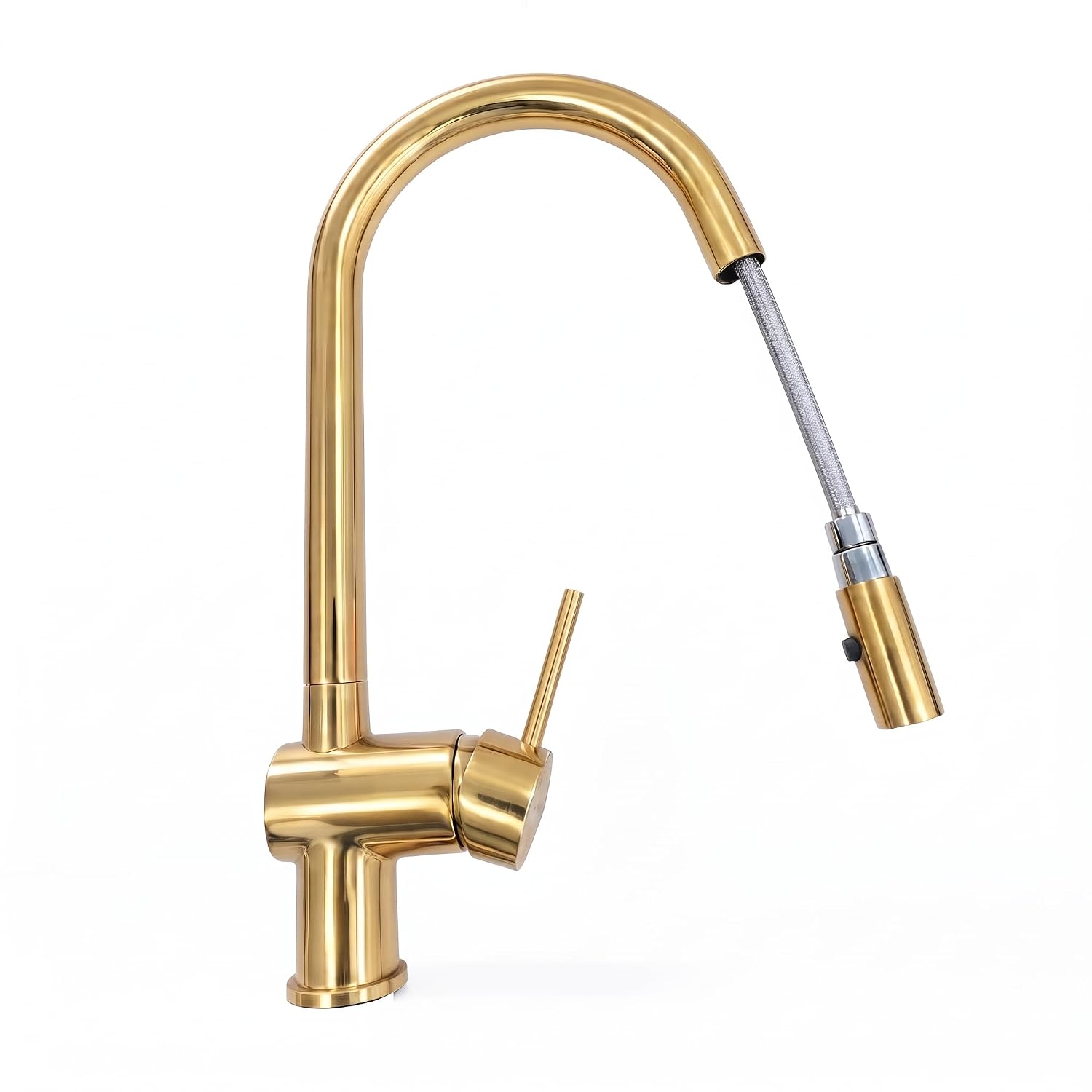
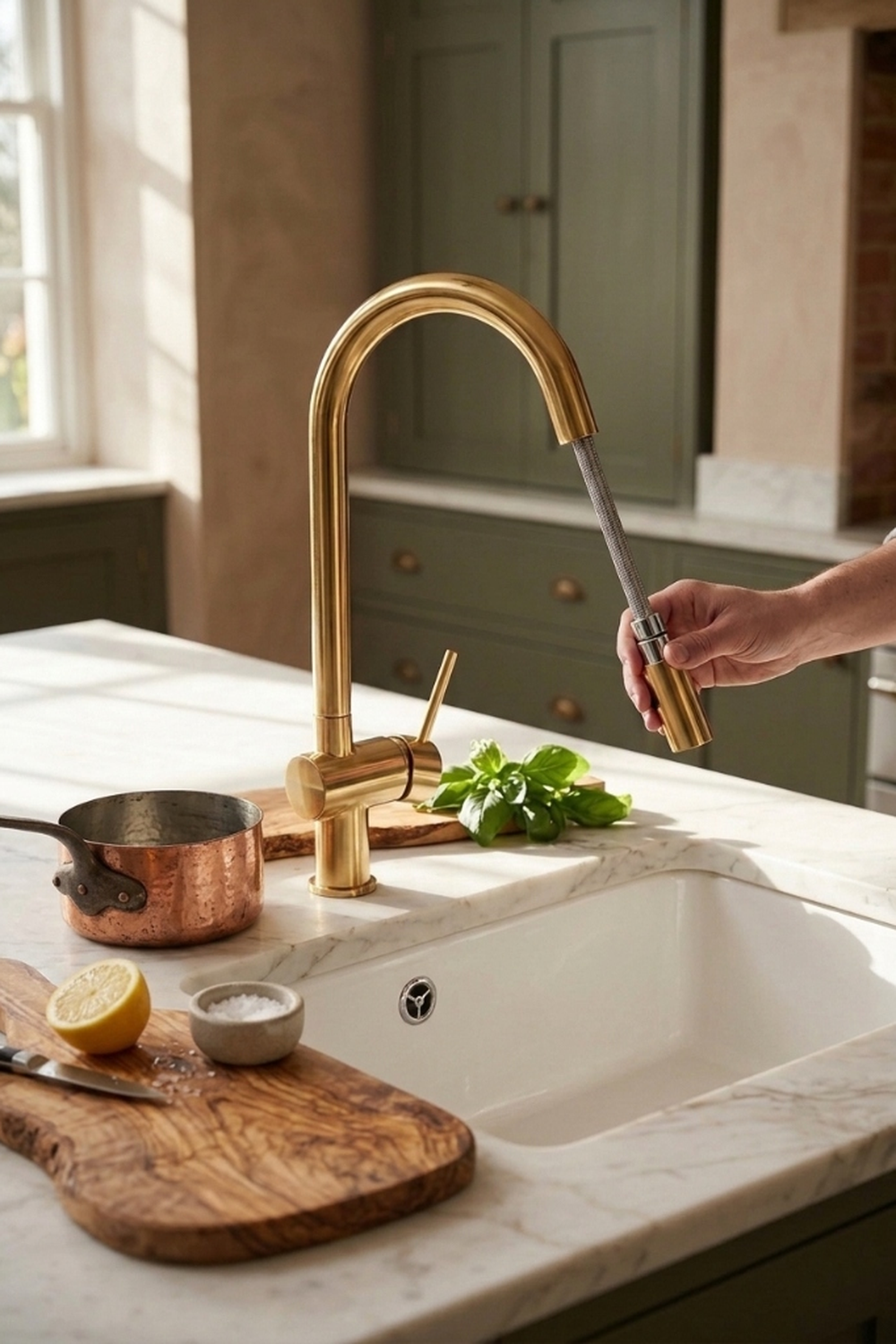
Modern Monobloc Culinary Pull-Down Kitchen Faucet in Solid Living Brass
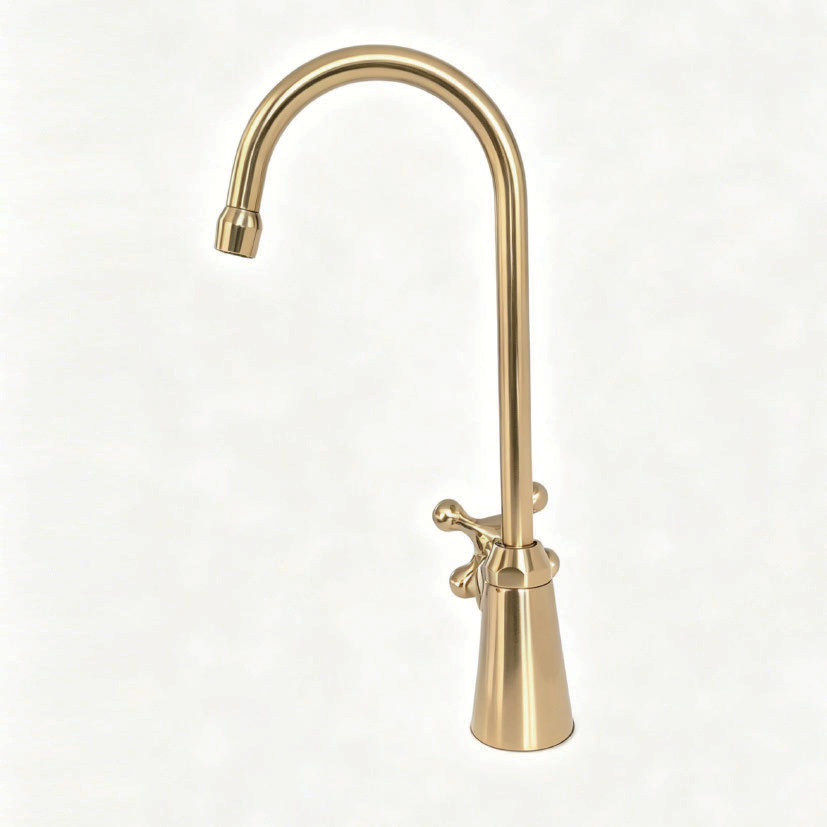
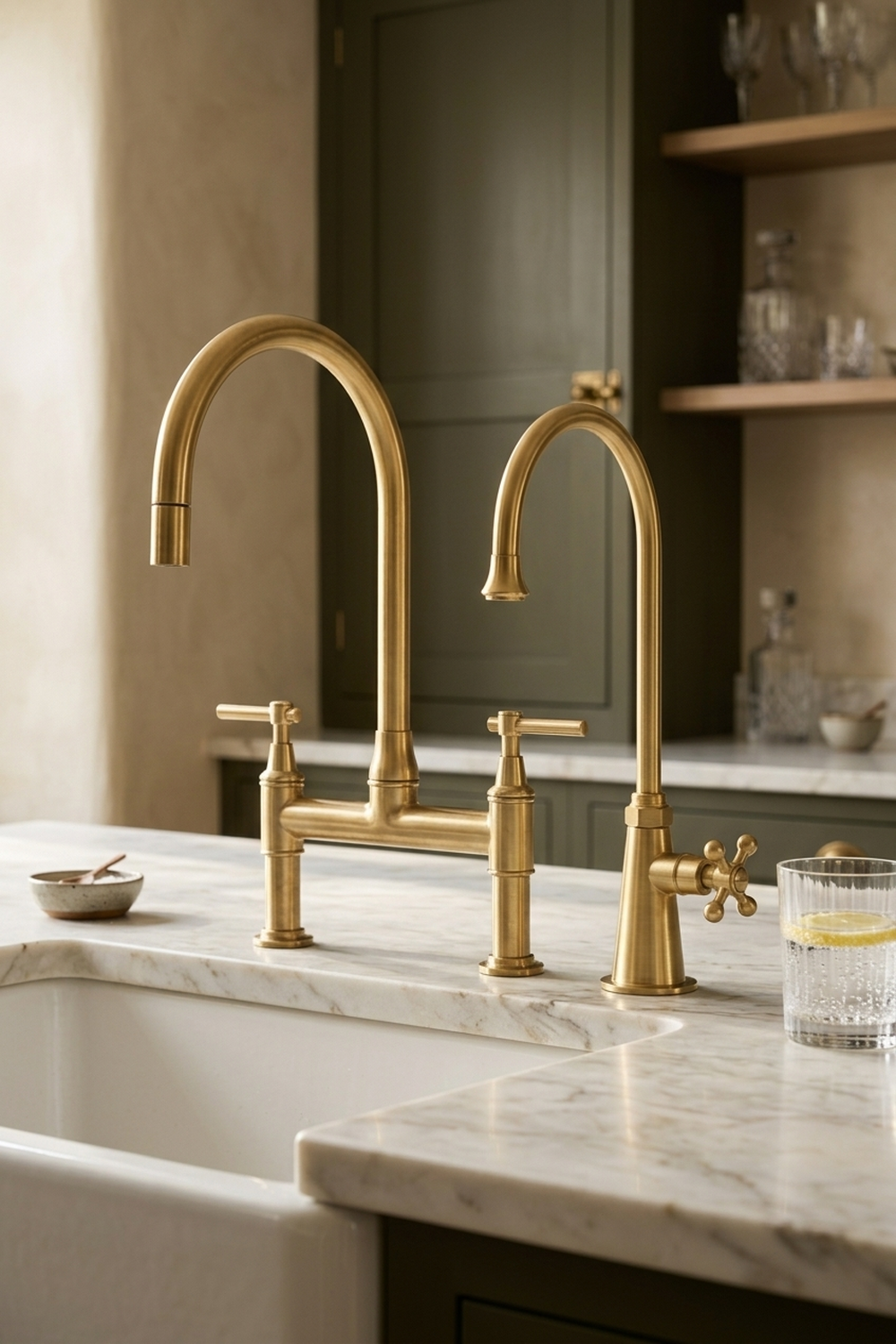
Solid Brass Gooseneck Water Filtration Faucet — Cold Water RO Drinking Tap
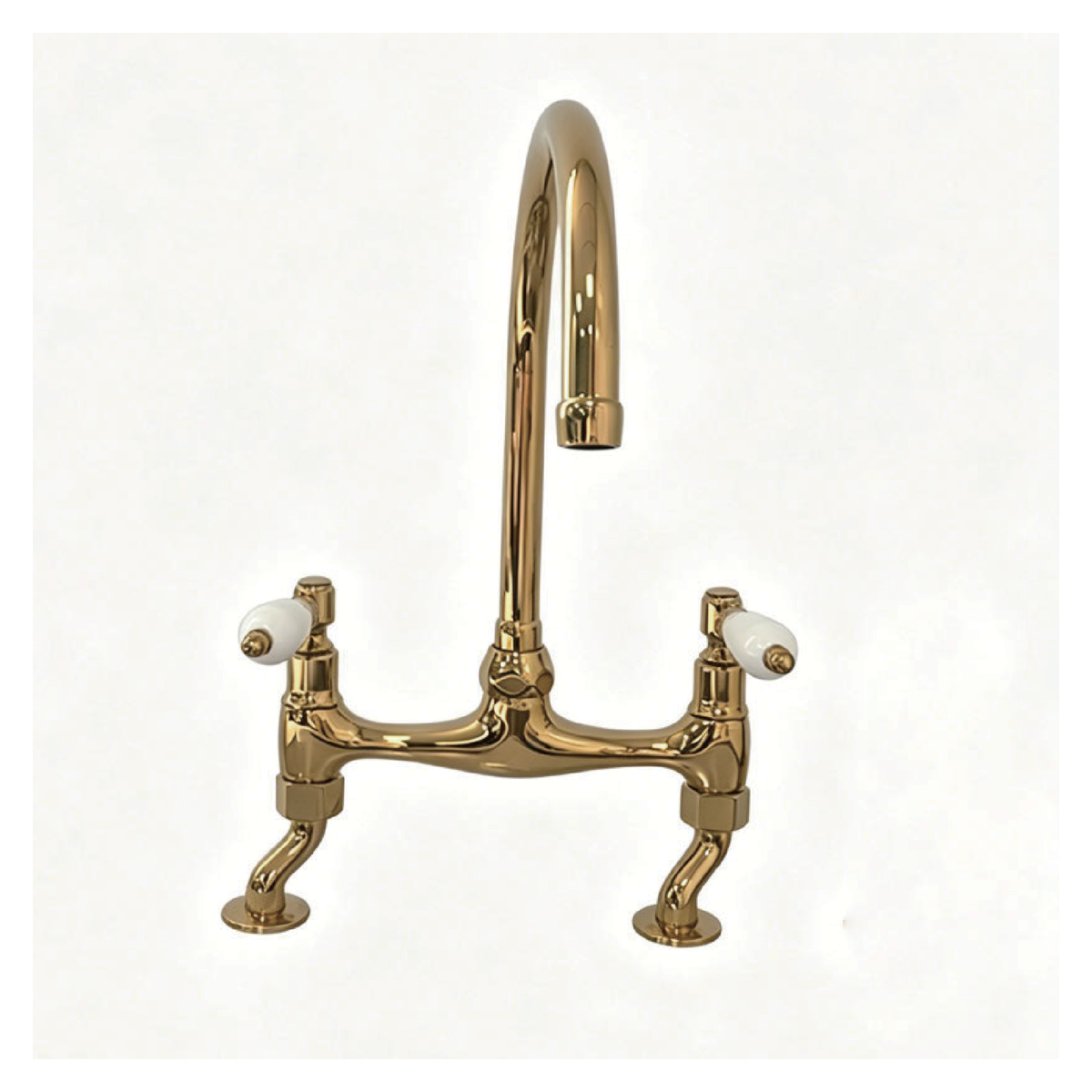
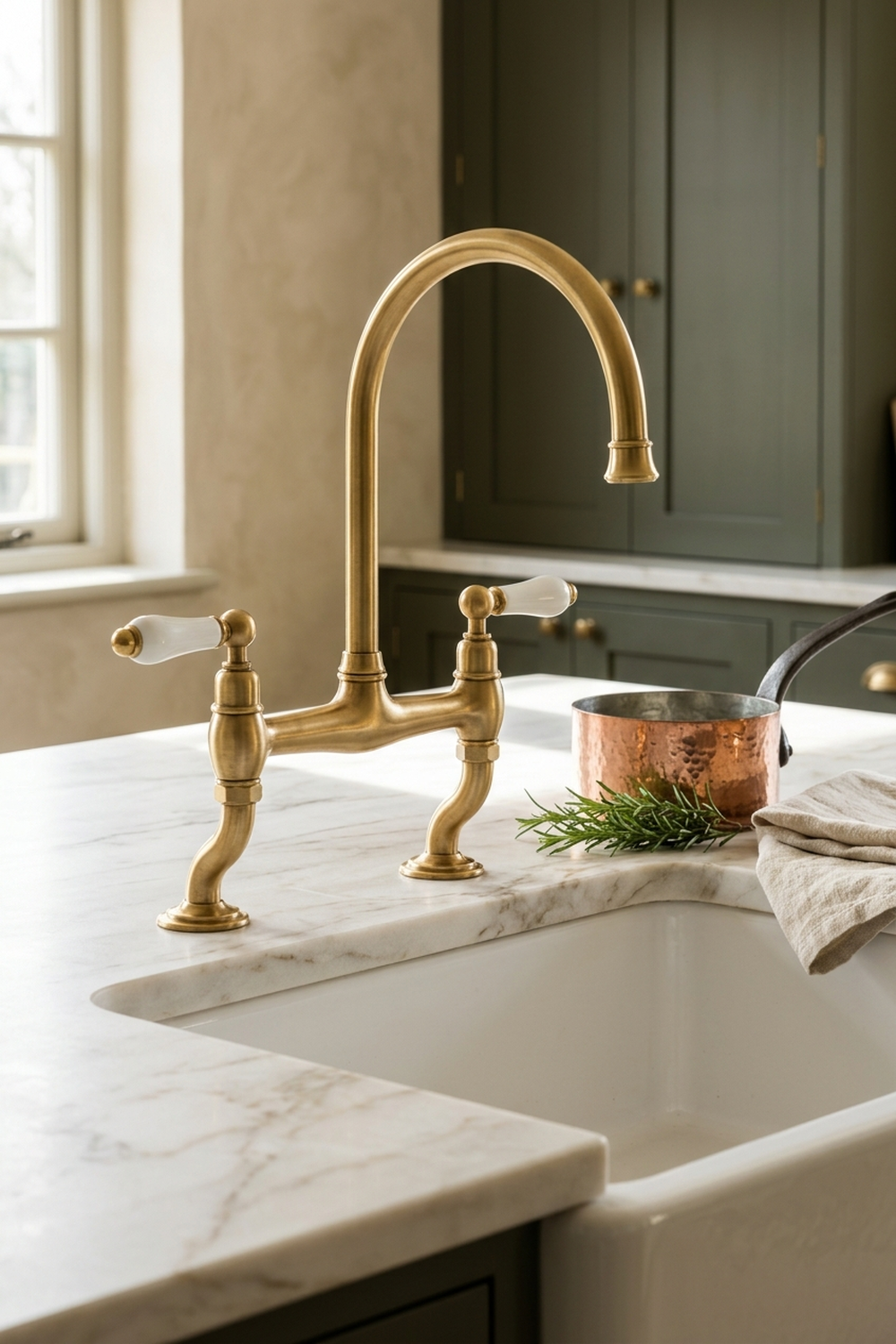
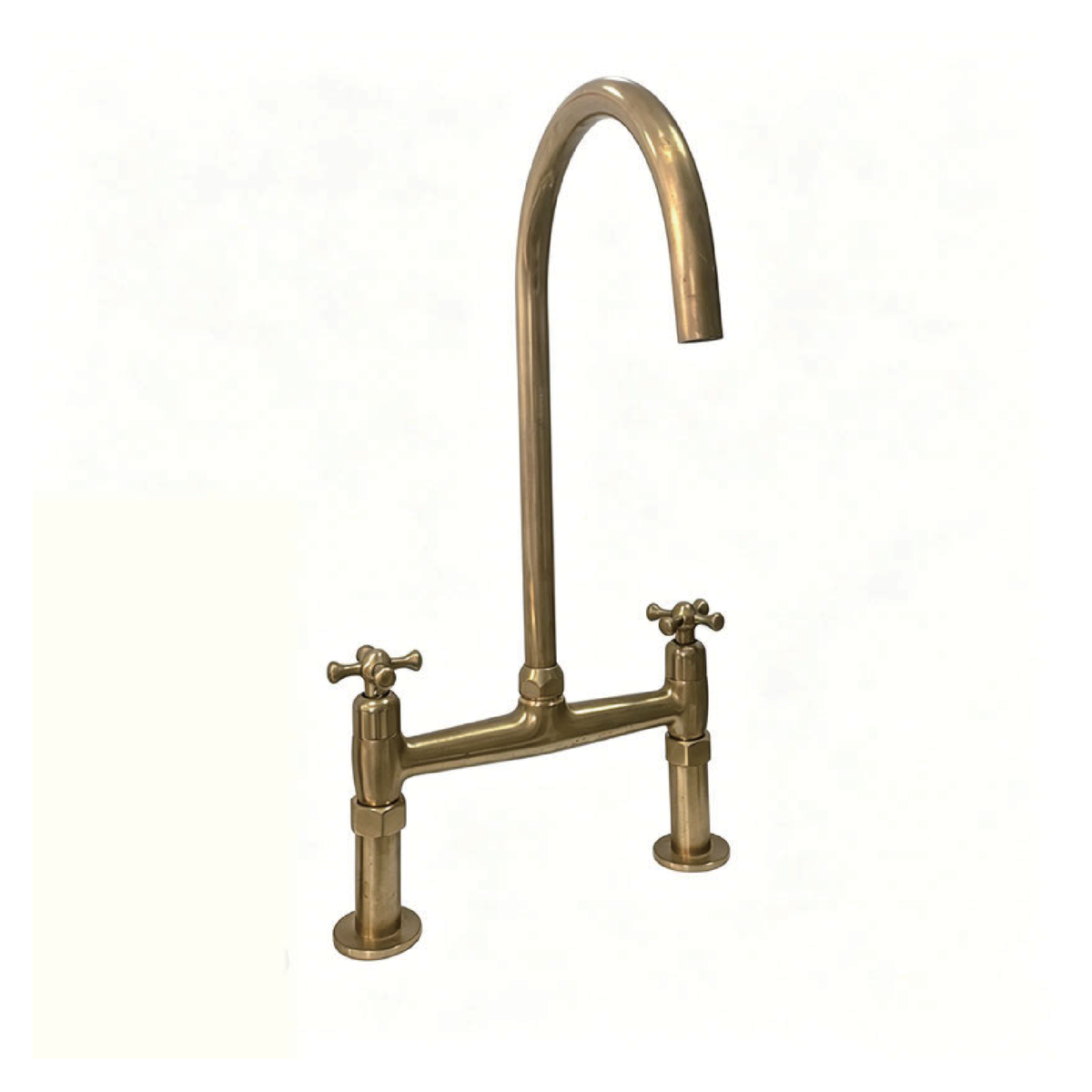
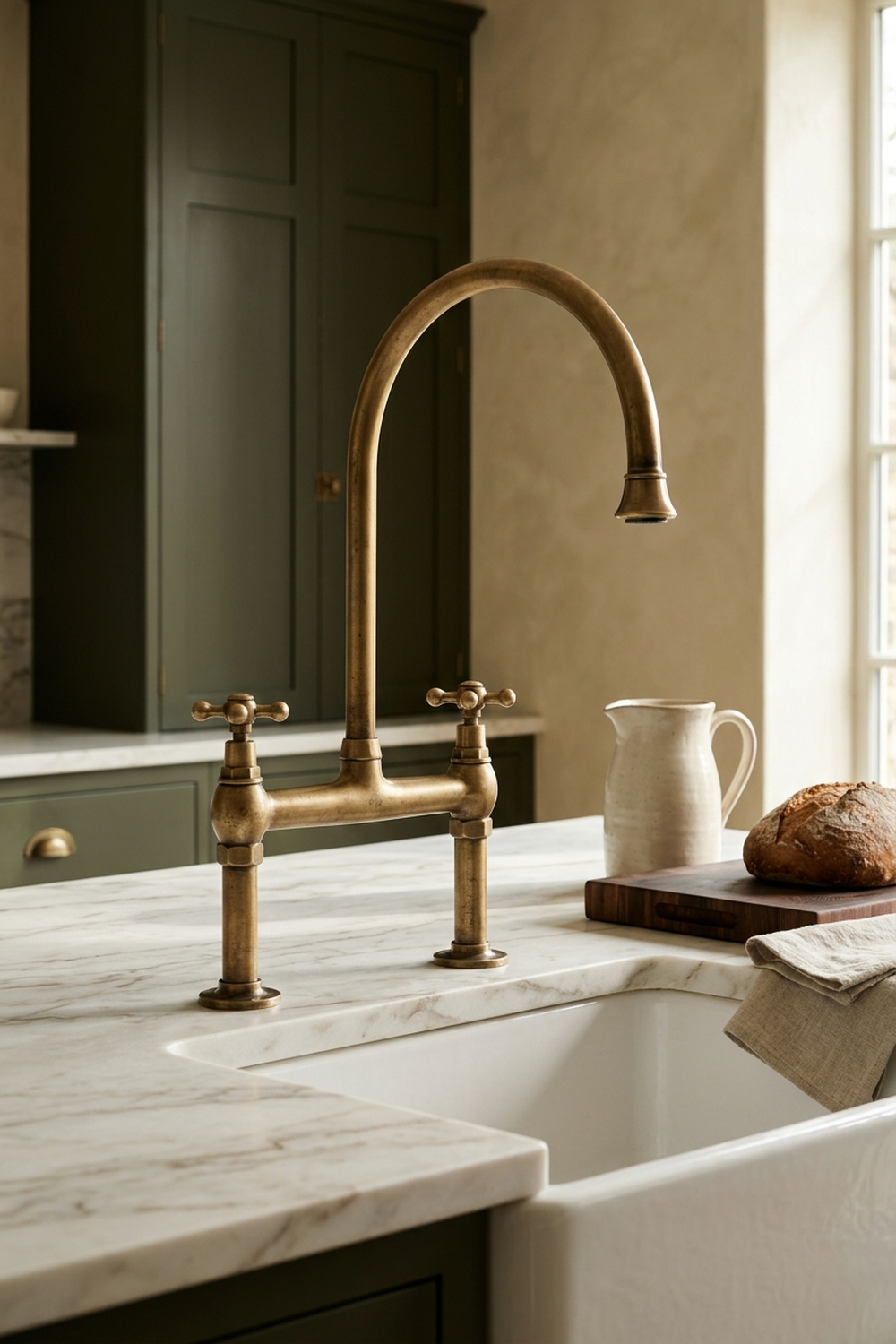
Architectural 18-Inch High-Clearance Bridge Kitchen Faucet in Aged Solid Brass
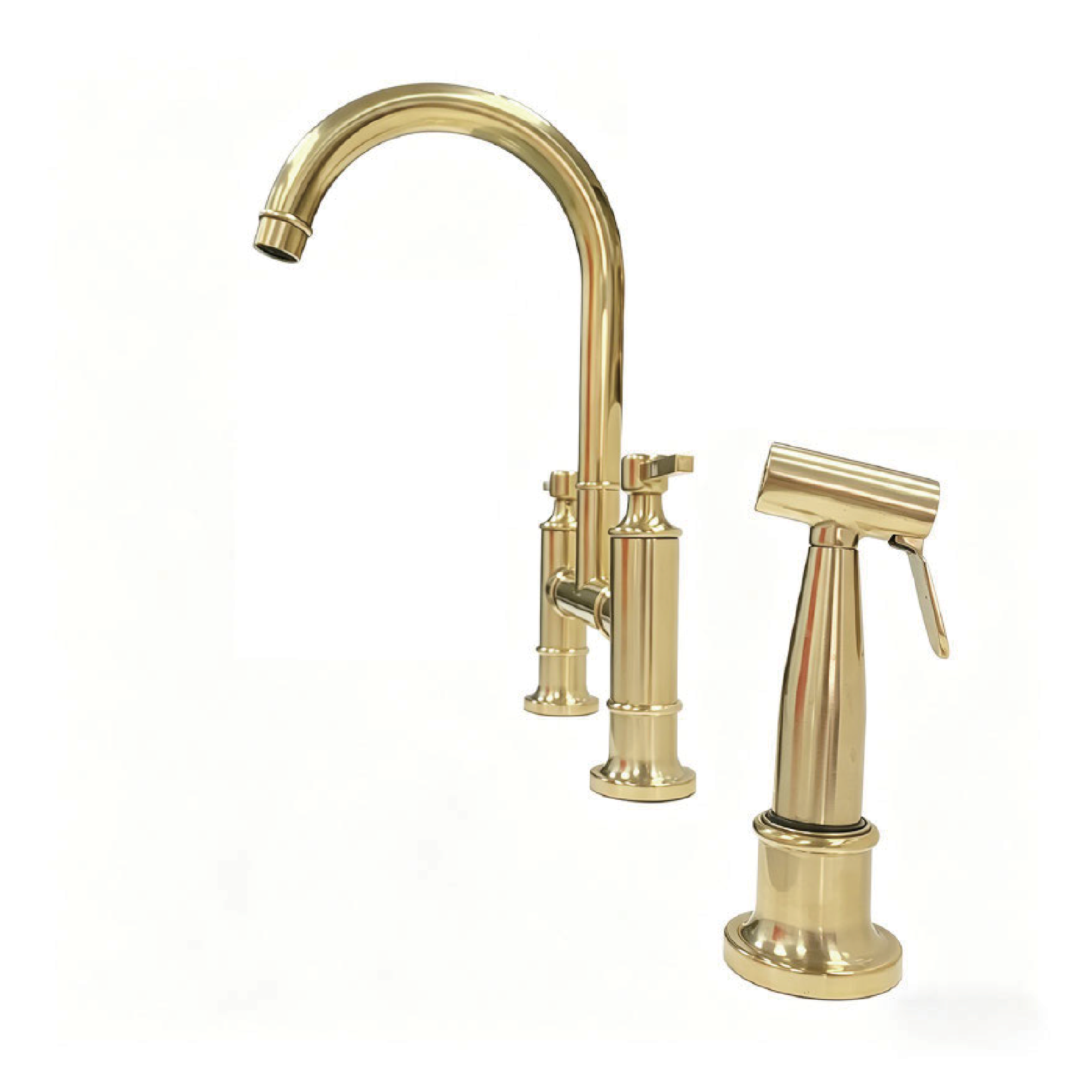
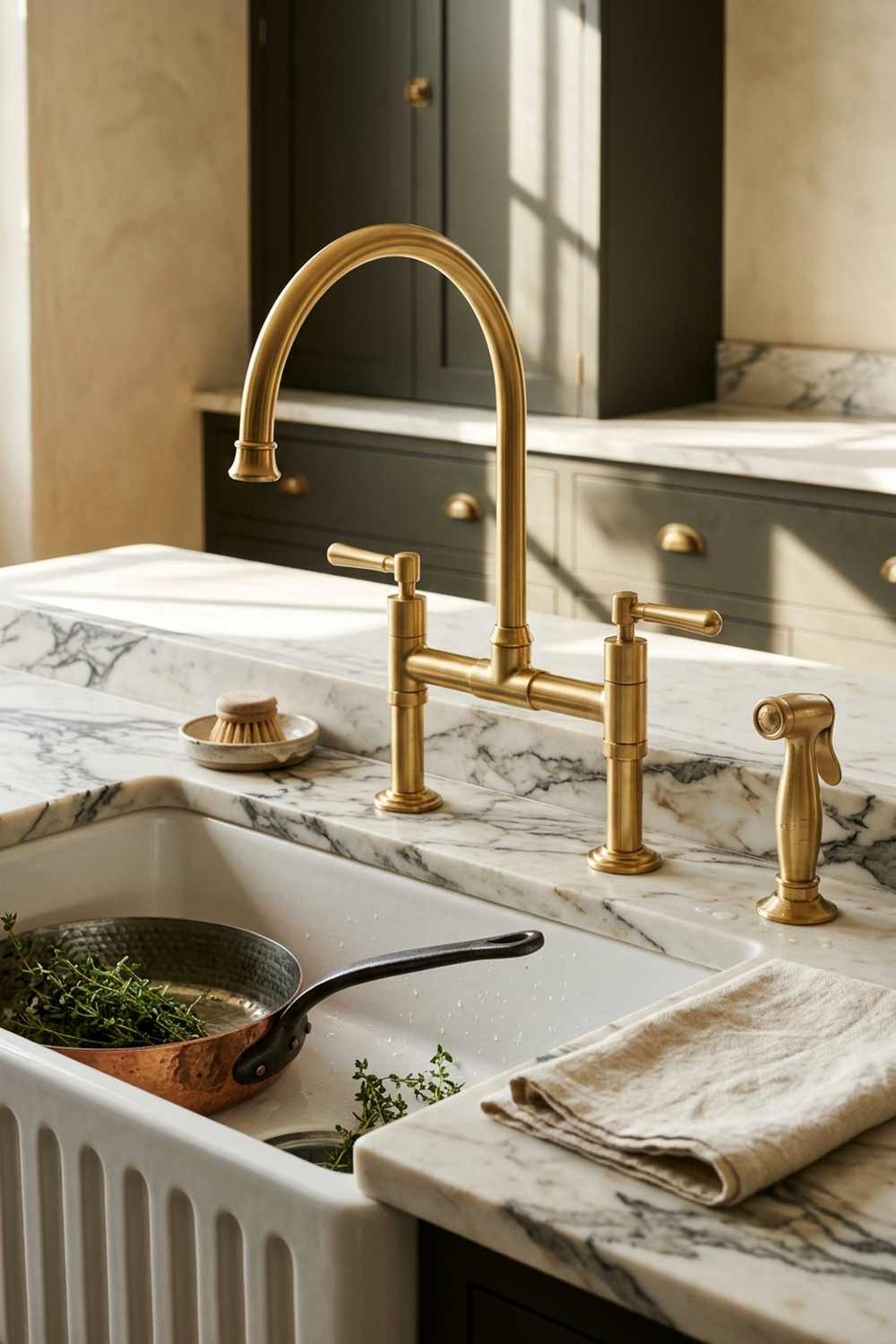
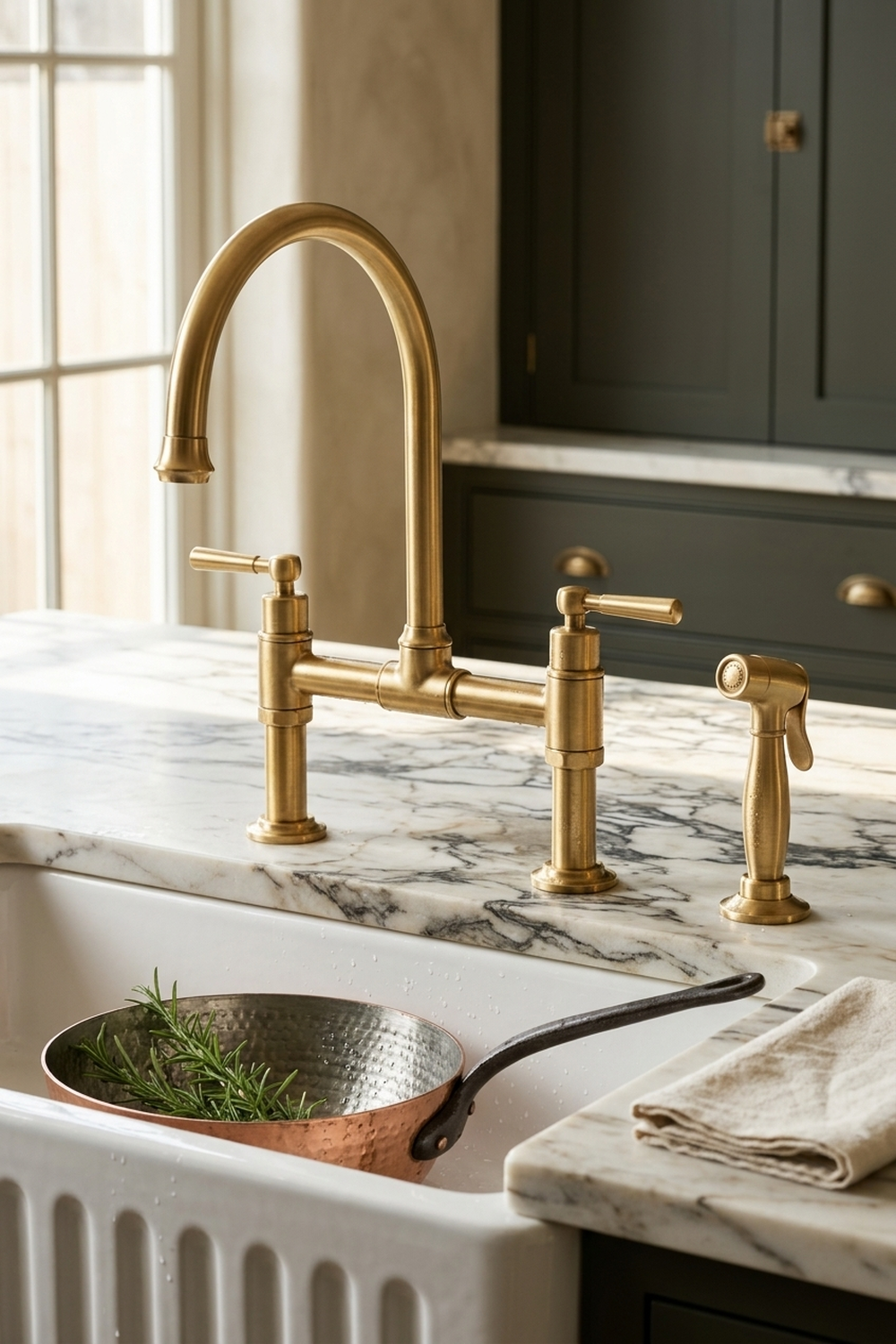
Handcrafted Solid Living Brass 8-Inch High-Arc Bridge Kitchen Faucet with Side Sprayer
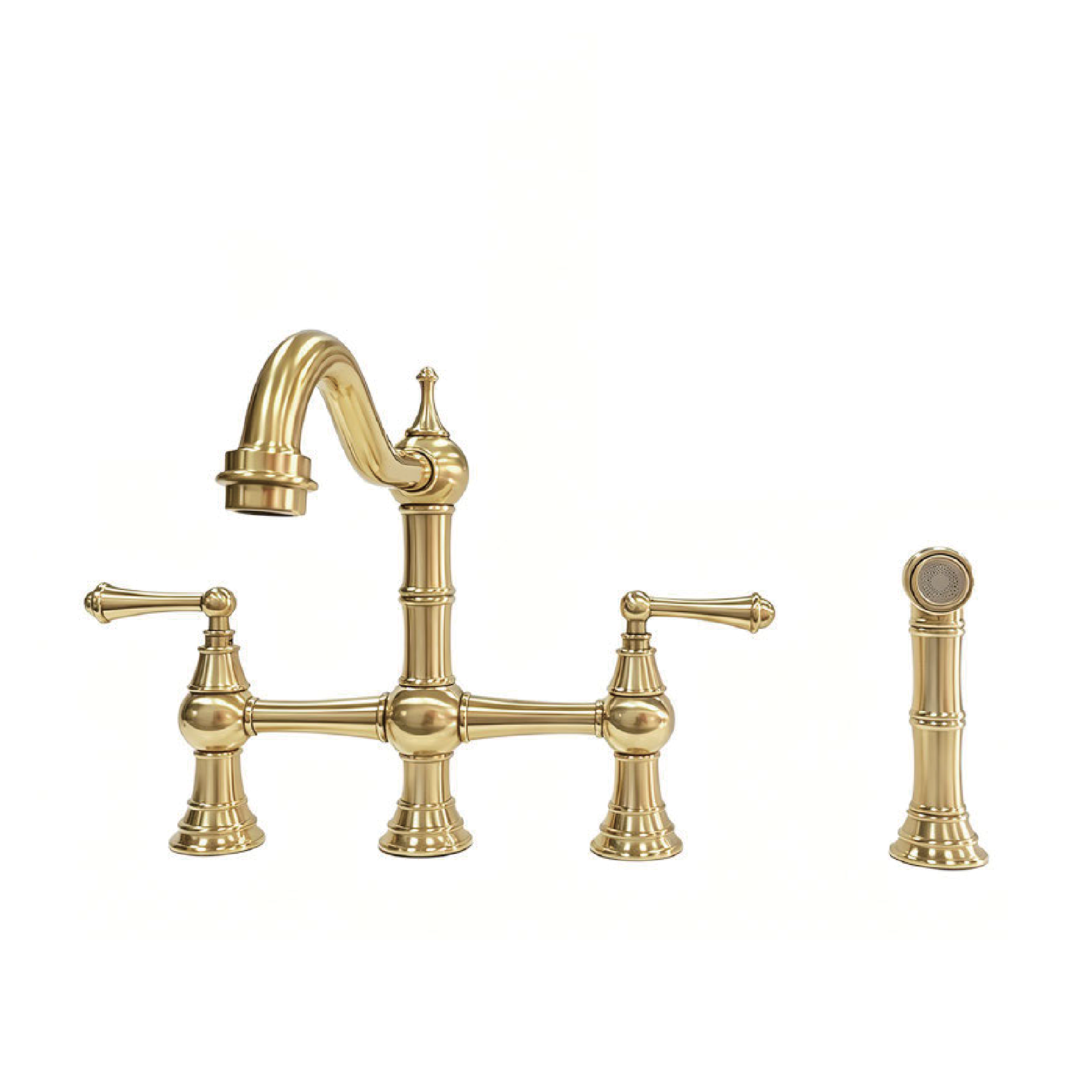
Victorian Low-Arc Wave-Spout Solid Brass Bridge Faucet with Side Sprayer
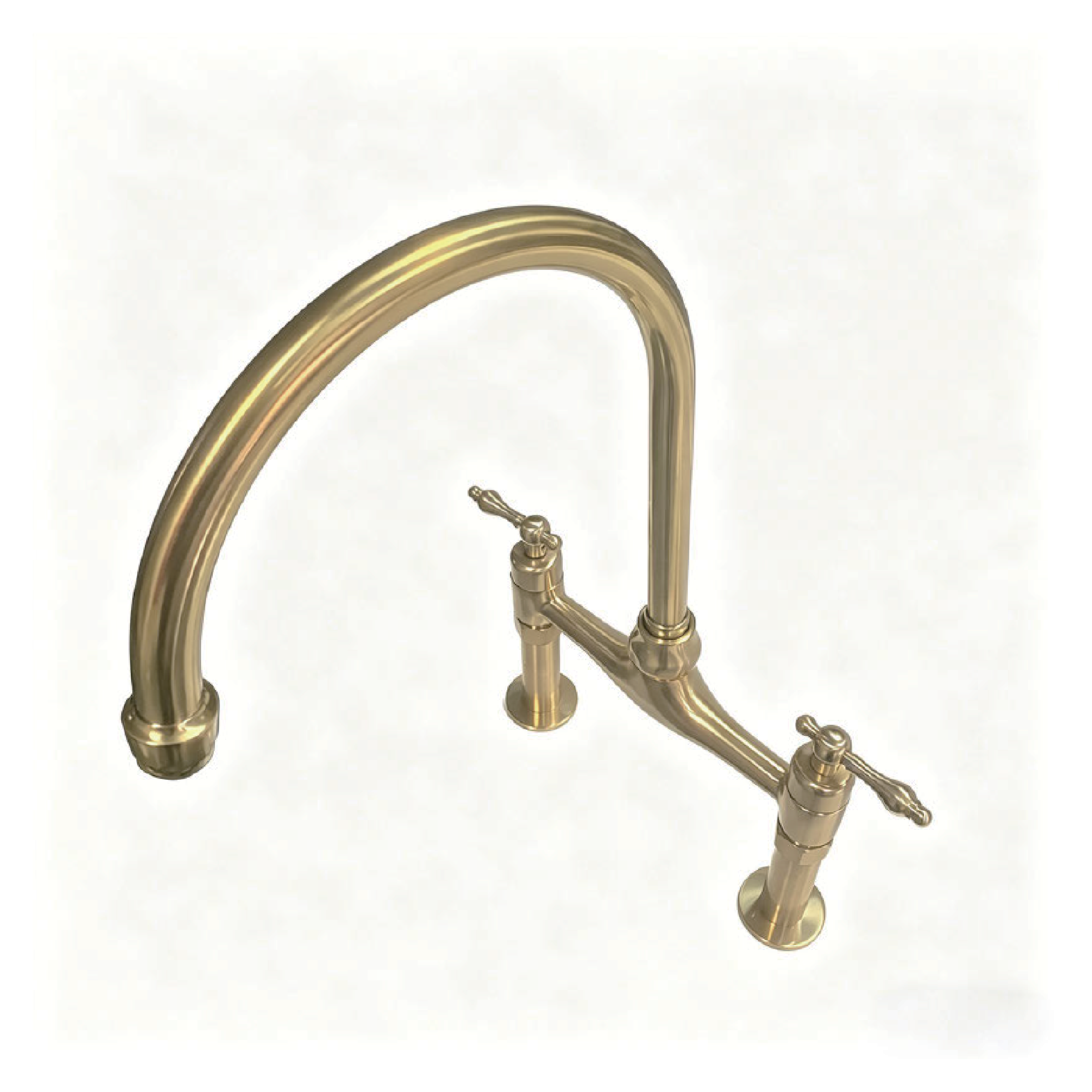
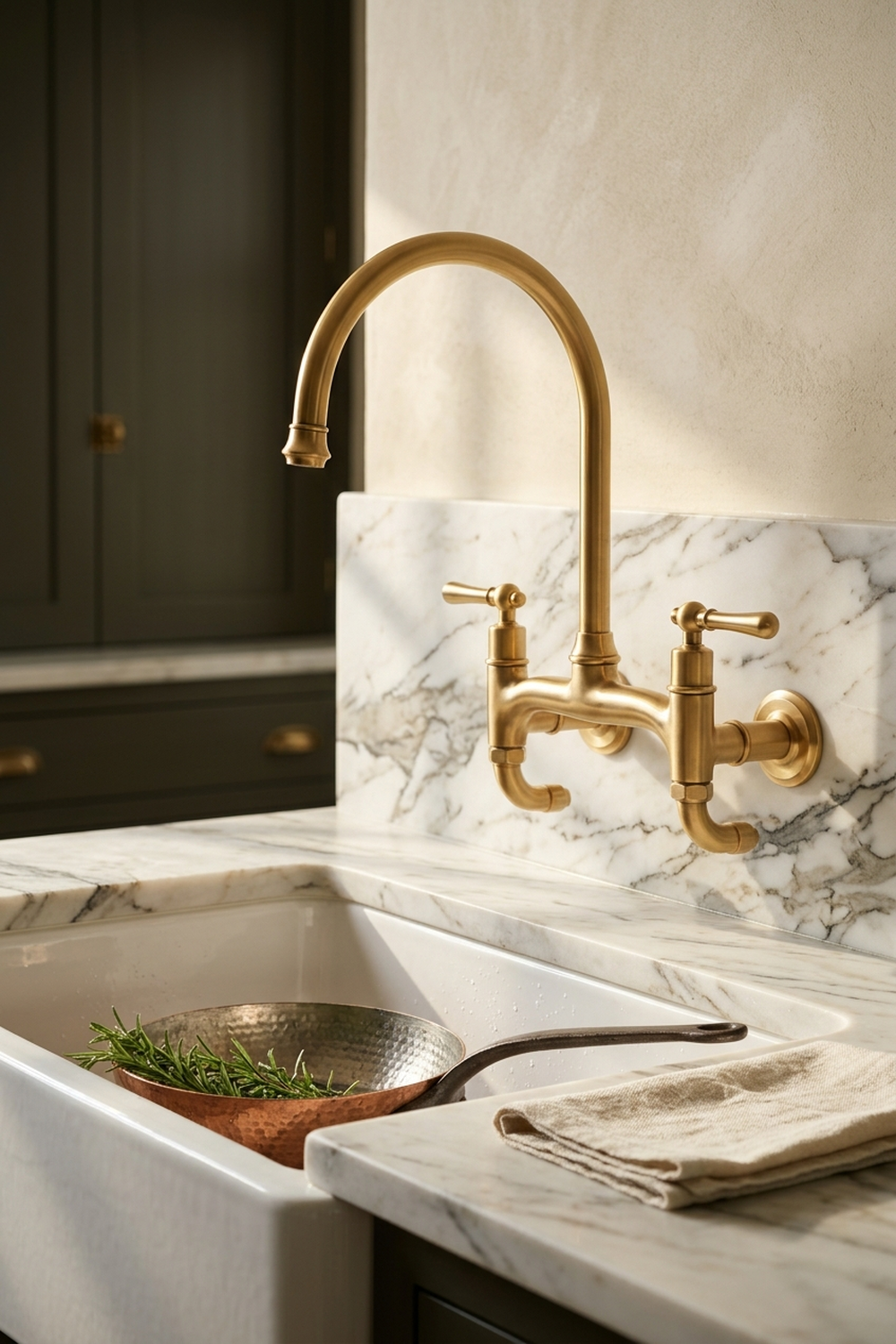
Wall-Mount 8-Inch Unlacquered Brass Bridge Kitchen Faucet — Farmhouse Backsplash Mixer
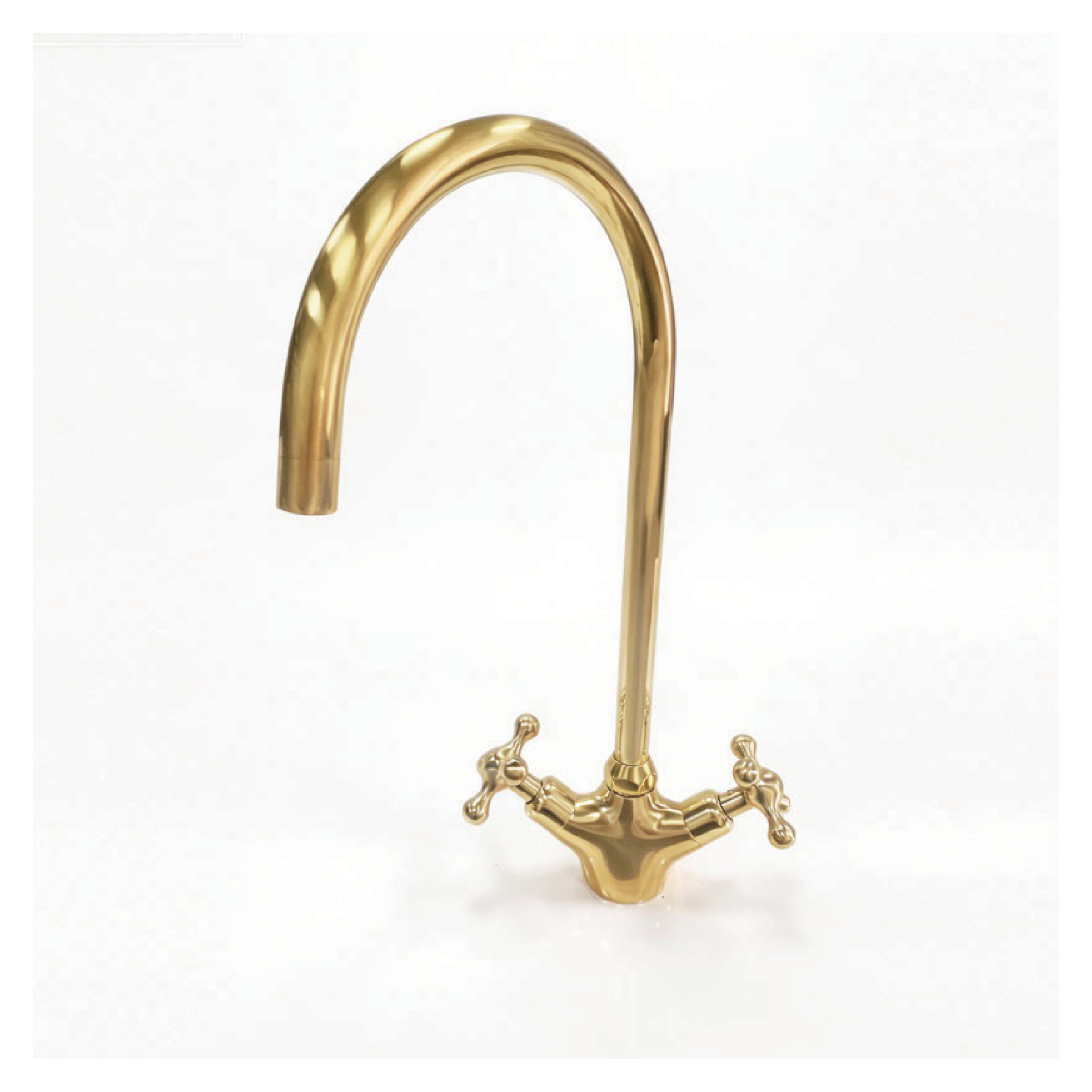
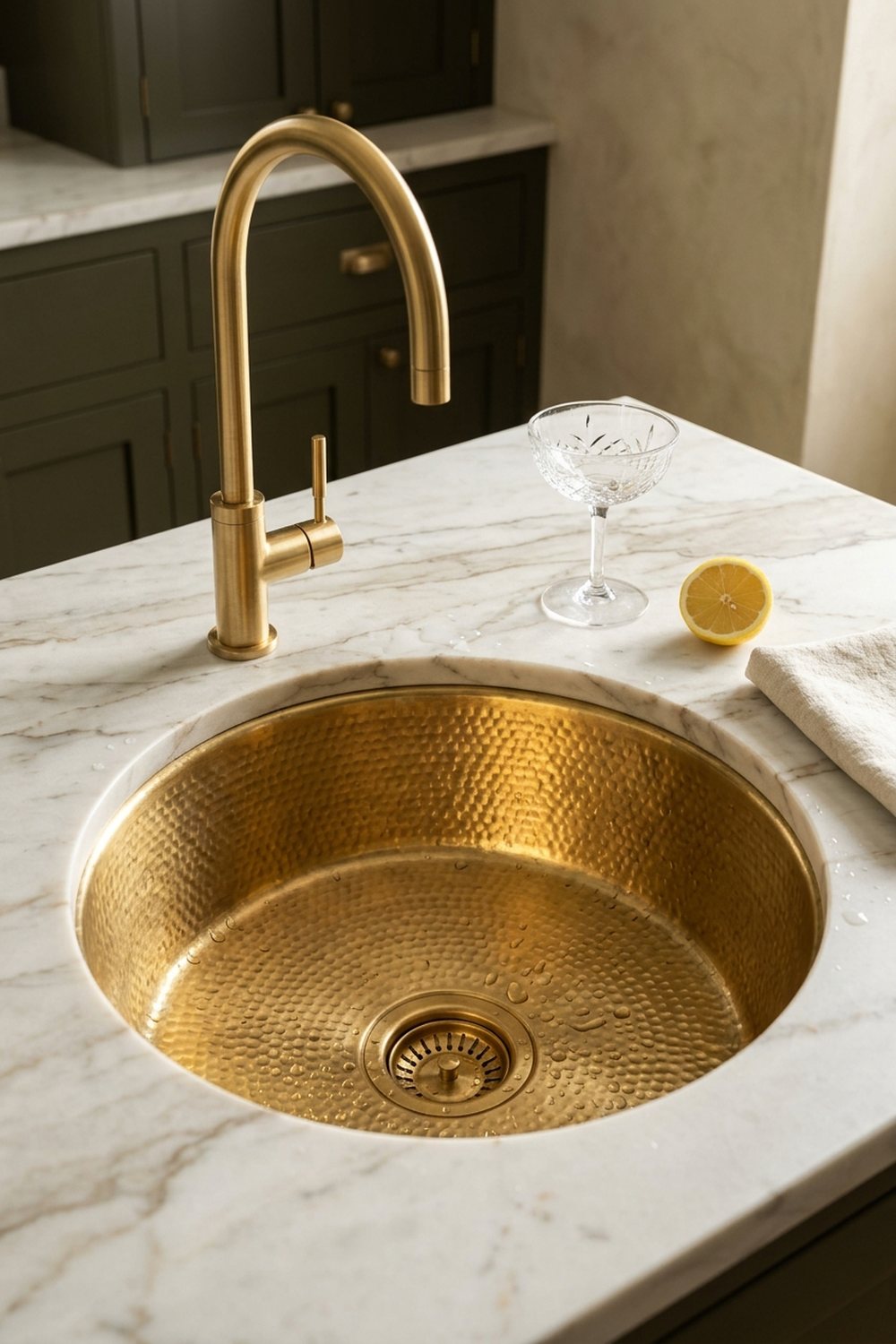
Single-Hole Dual-Handle Solid Brass Gooseneck Kitchen & Wet Bar Faucet
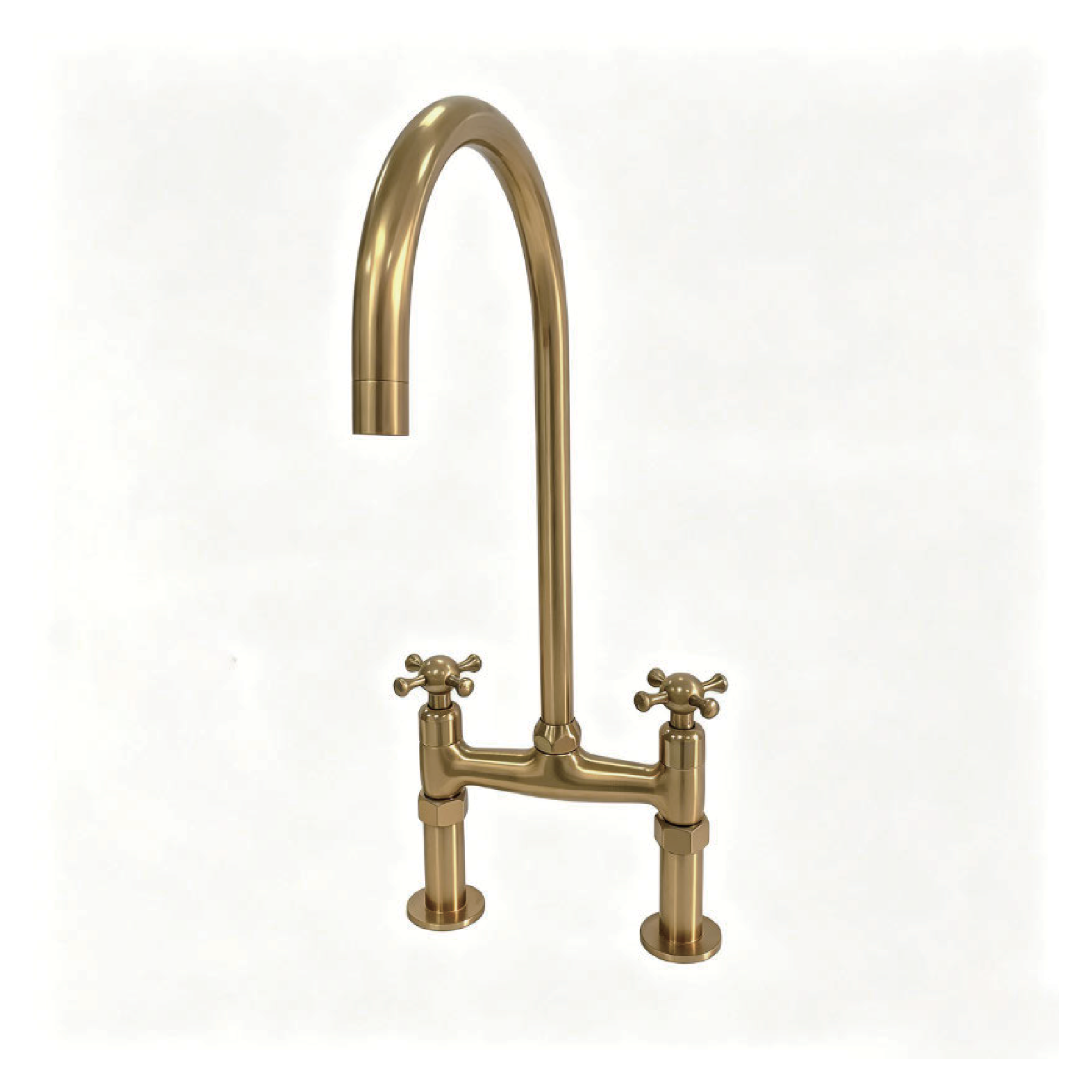
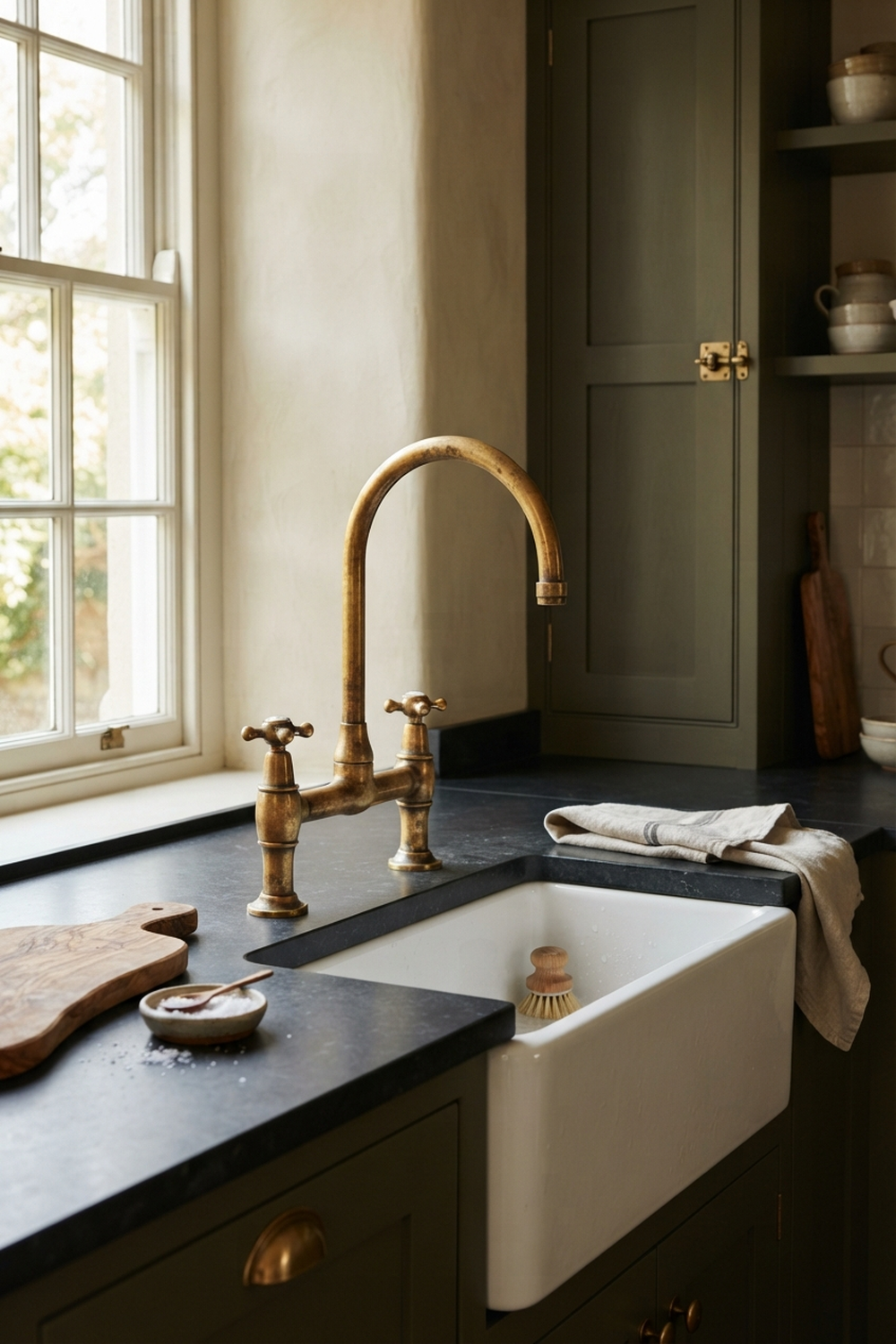
Compact Elevated-Turret Solid Brass Bridge Faucet — 18.1-Inch Tall Scullery & Pantry Mixer
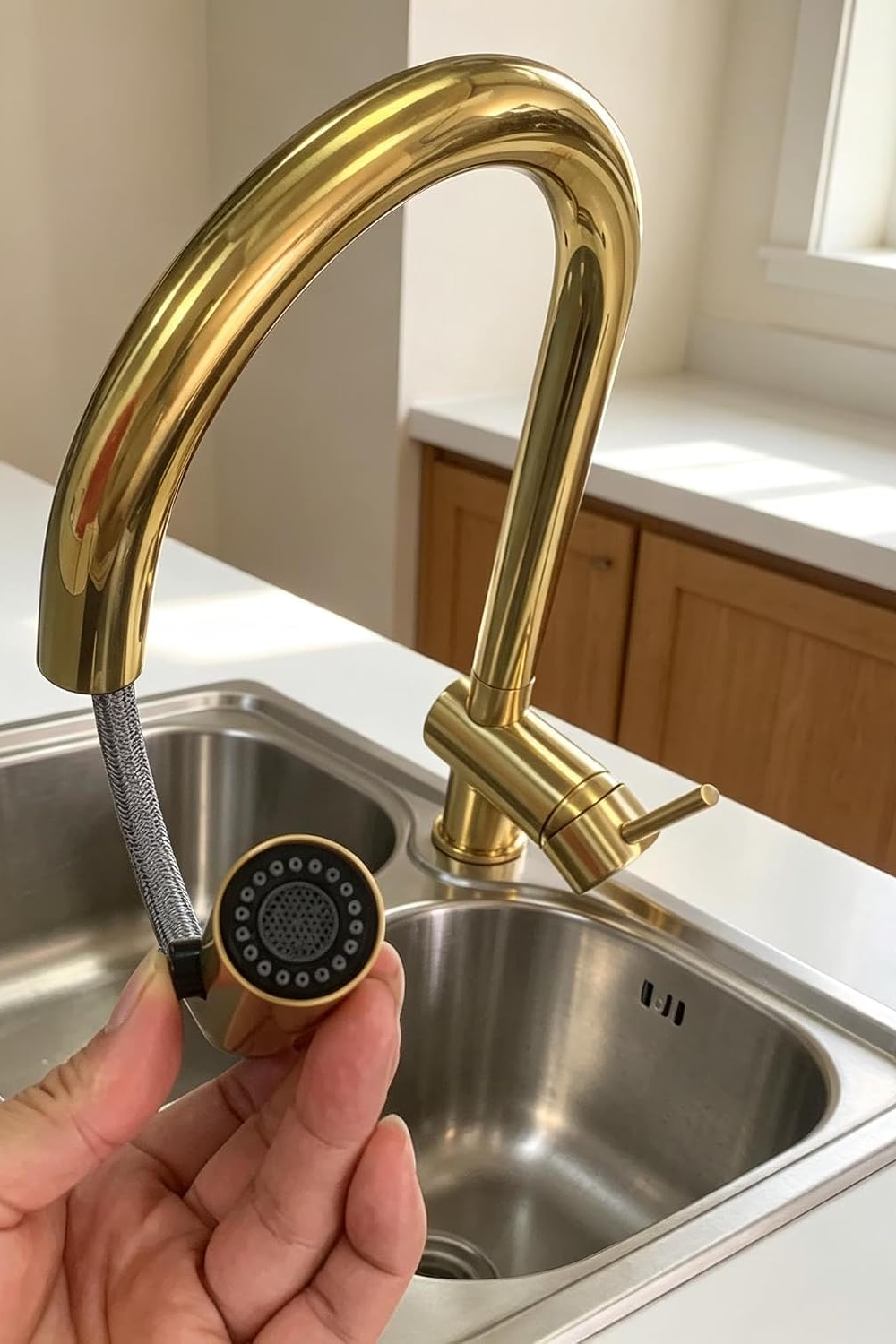
Raw Brass Kitchen Faucet with Pull-Out Spray — Solid Unlacquered Living Finish Mixer
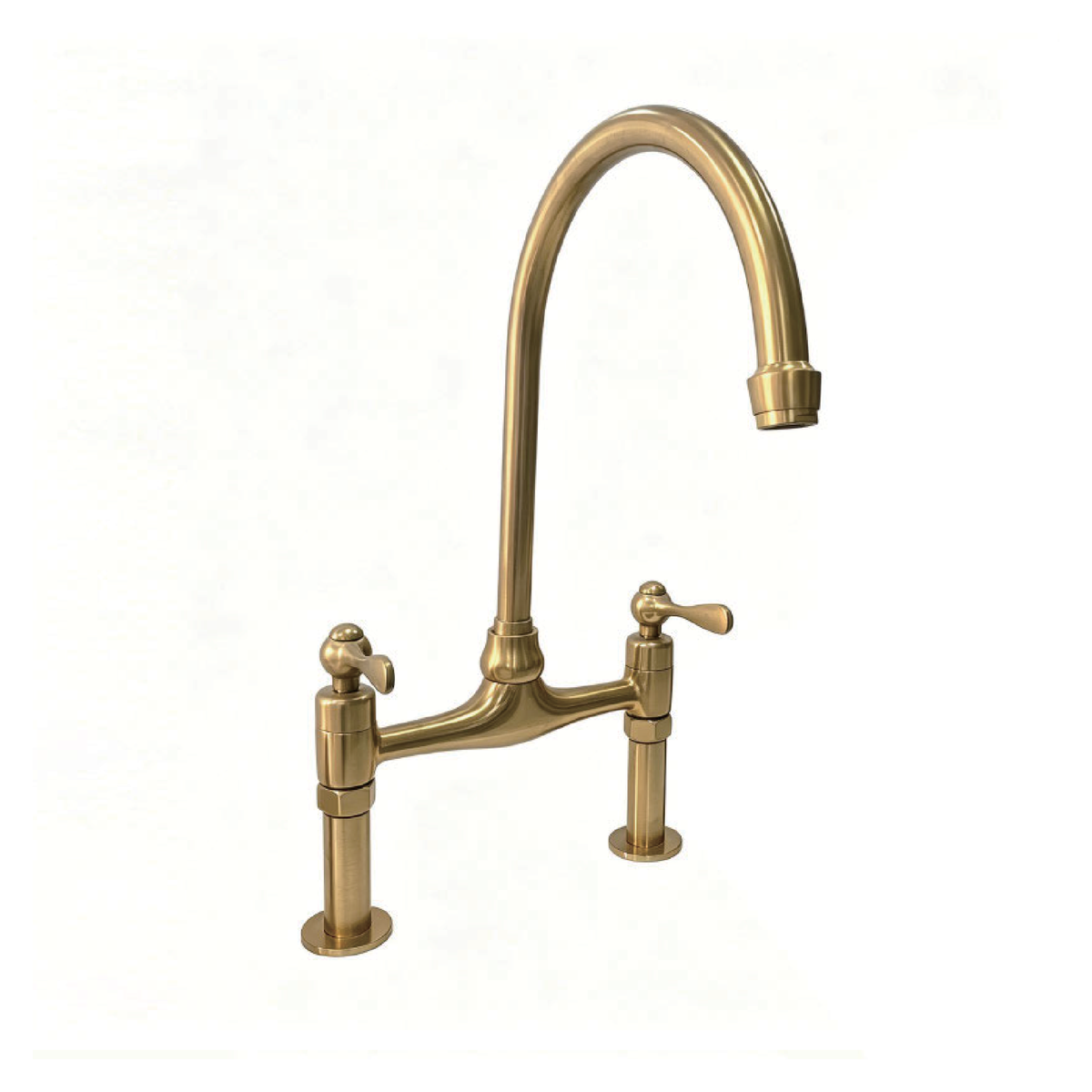
Living Finish Brass Kitchen Faucet — High-Arc Gooseneck Mixer with Side Sprayer
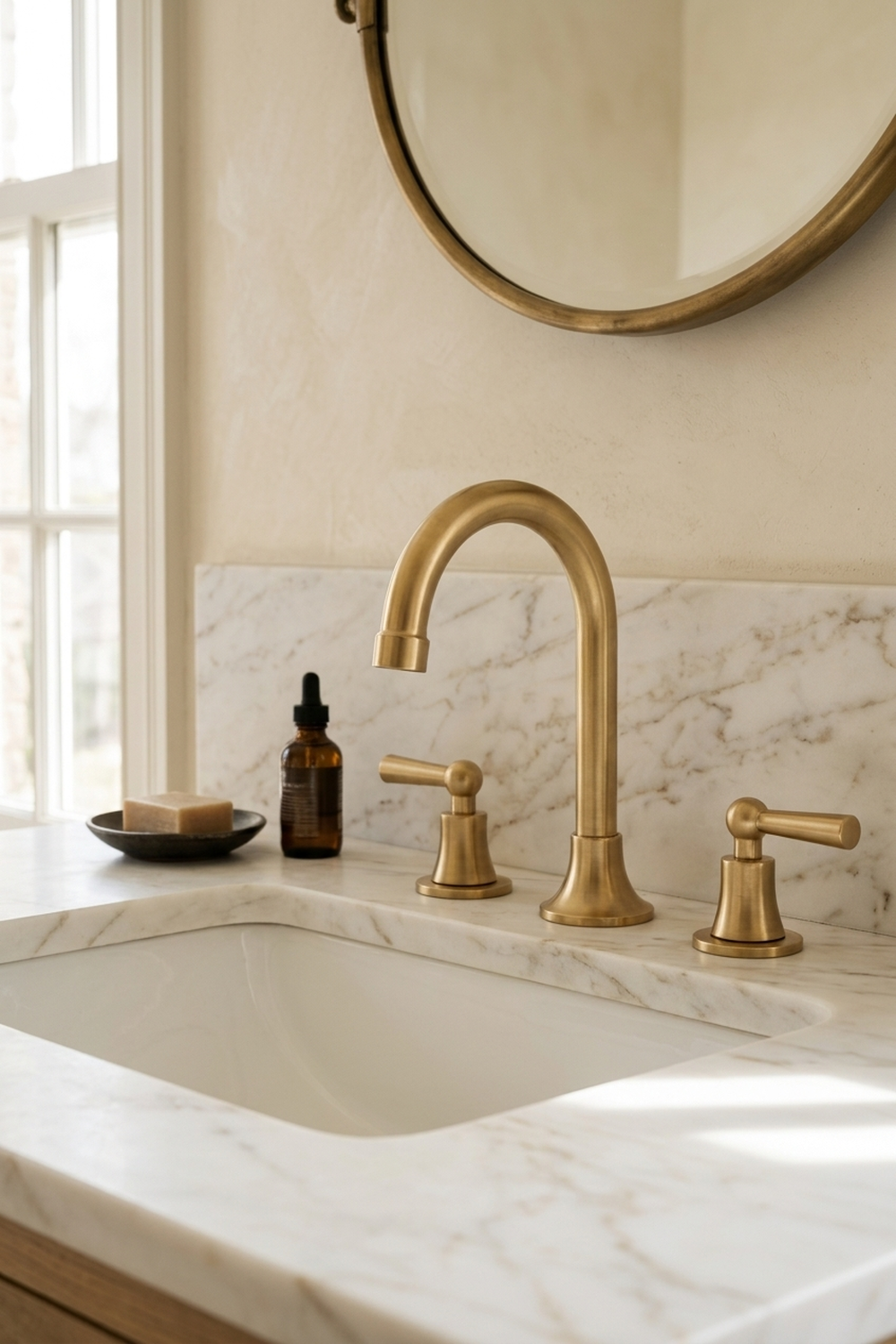
Unlacquered Brass 4-Inch Centerset Bathroom Faucet — Solid Brass Twin-Handle Vanity Tap
Unlacquered Brass Single-Hole Bathroom Faucet — Compact Monobloc Vanity Mixer
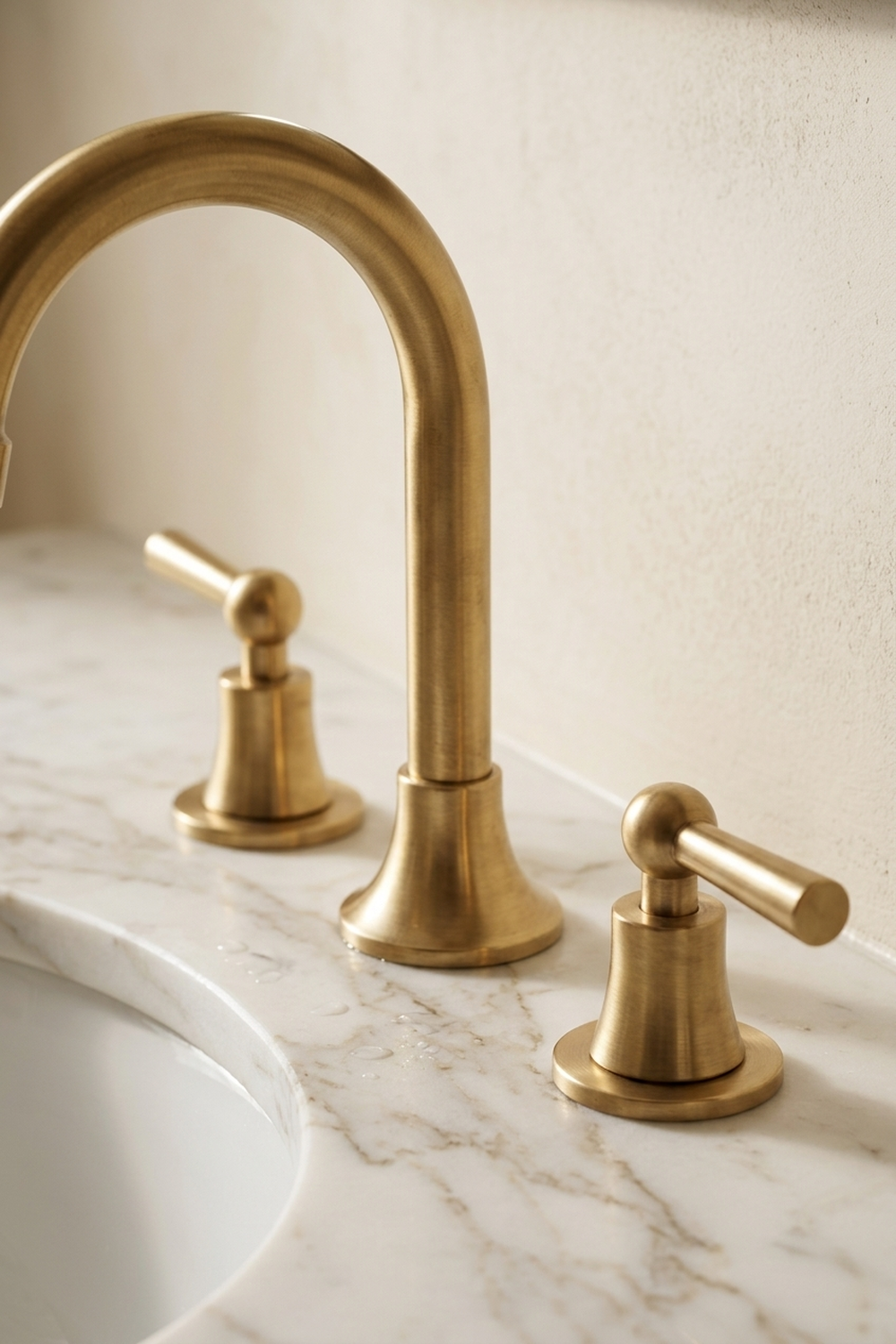
8-Inch Widespread Unlacquered Brass Bathroom Faucet — 3-Hole Solid Brass Vanity Set
Tall Solid Brass Vessel Sink Faucet — 12.8-Inch High-Rise Unlacquered Vanity Mixer
Antique Brass Bridge Kitchen Faucet with Side Sprayer — Hand-Aged Living Patina
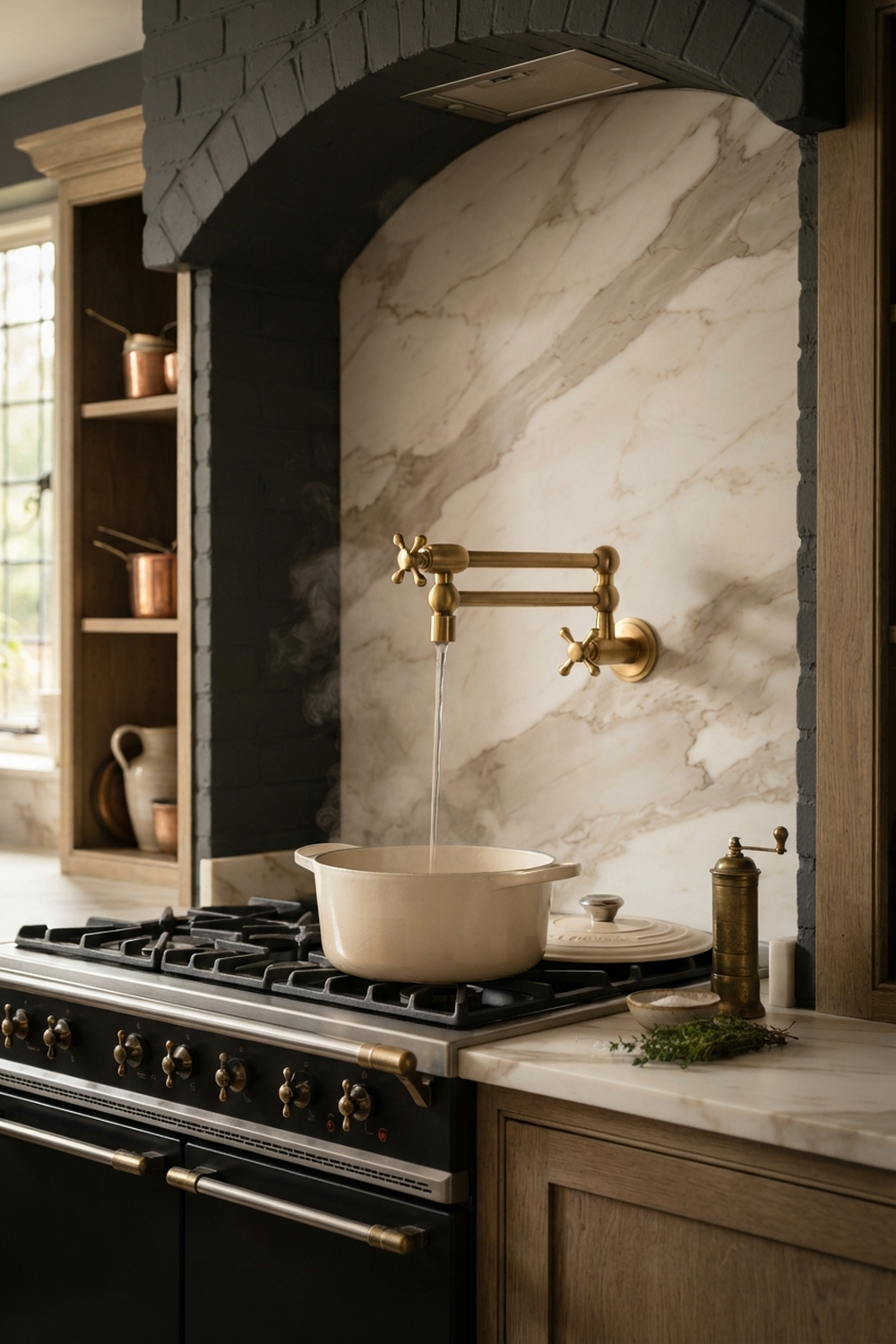
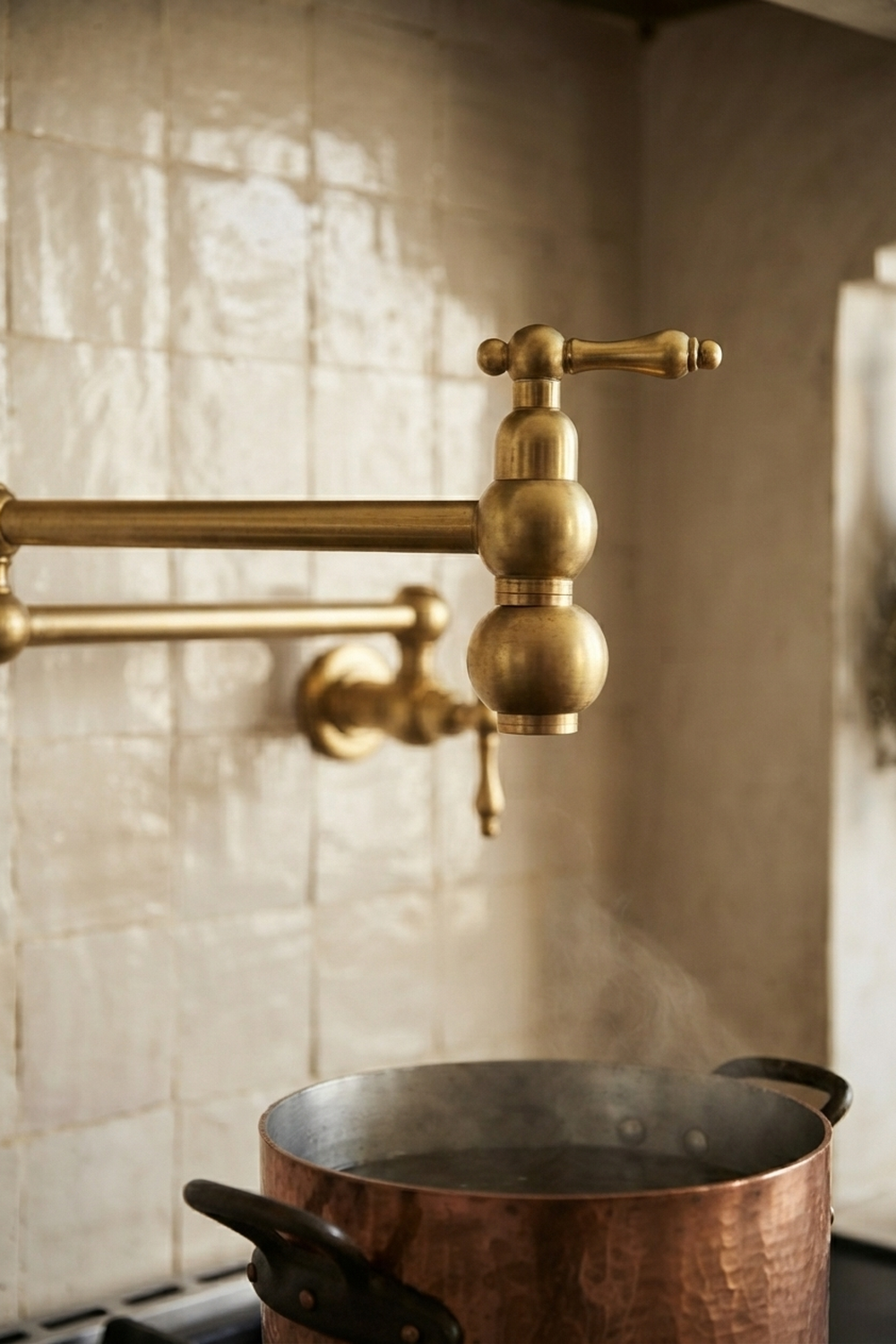
Modern Solid Brass Pot Filler Tap — Low-Profile Dual-Joint Wall-Mount Stove Faucet
Unlacquered Brass Bar Sink Faucet — Compact Gooseneck Wet Bar & Prep Tap
Antique Aged Brass Bar Sink Faucet — Twin Cross-Handle Prep & Butler Pantry Mixer
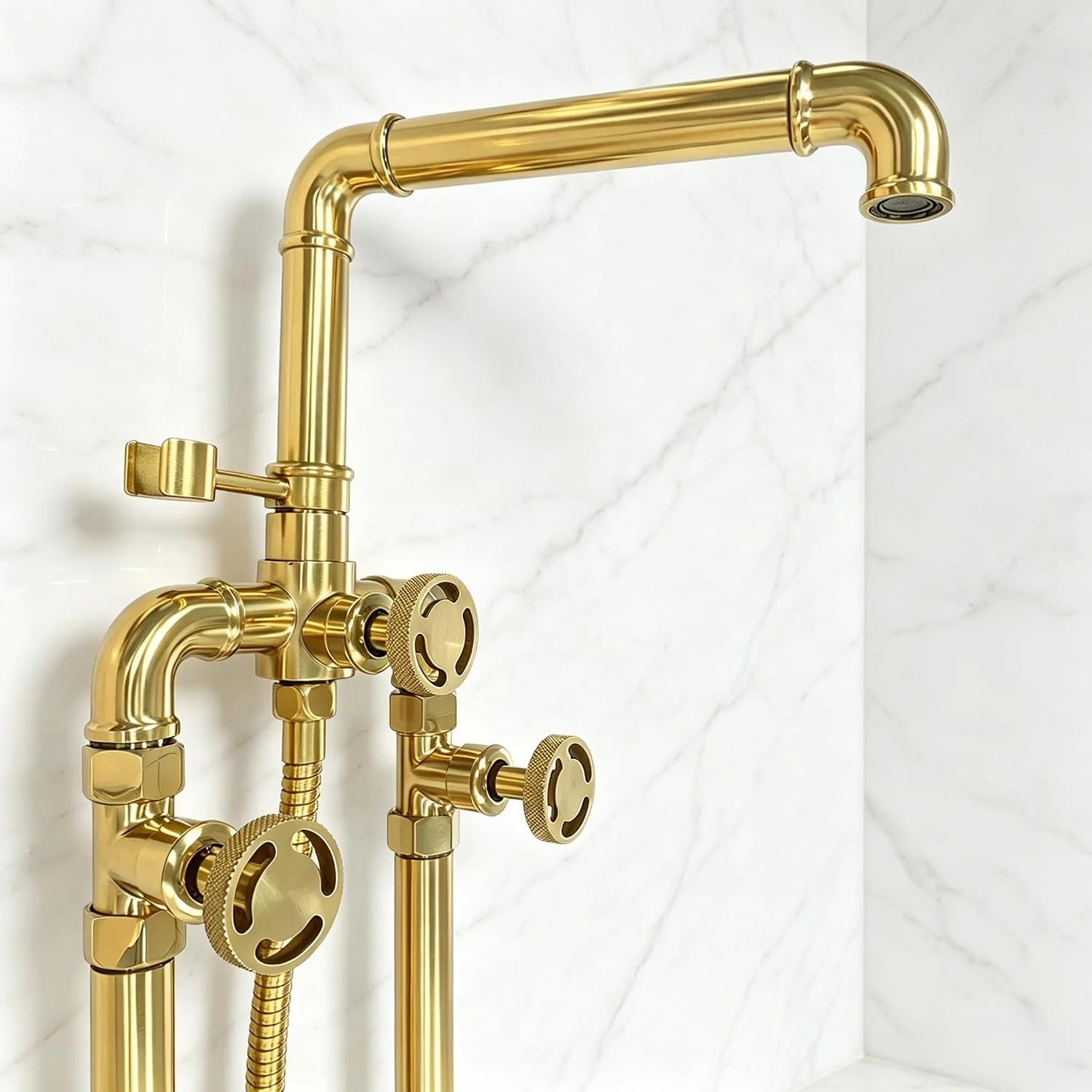
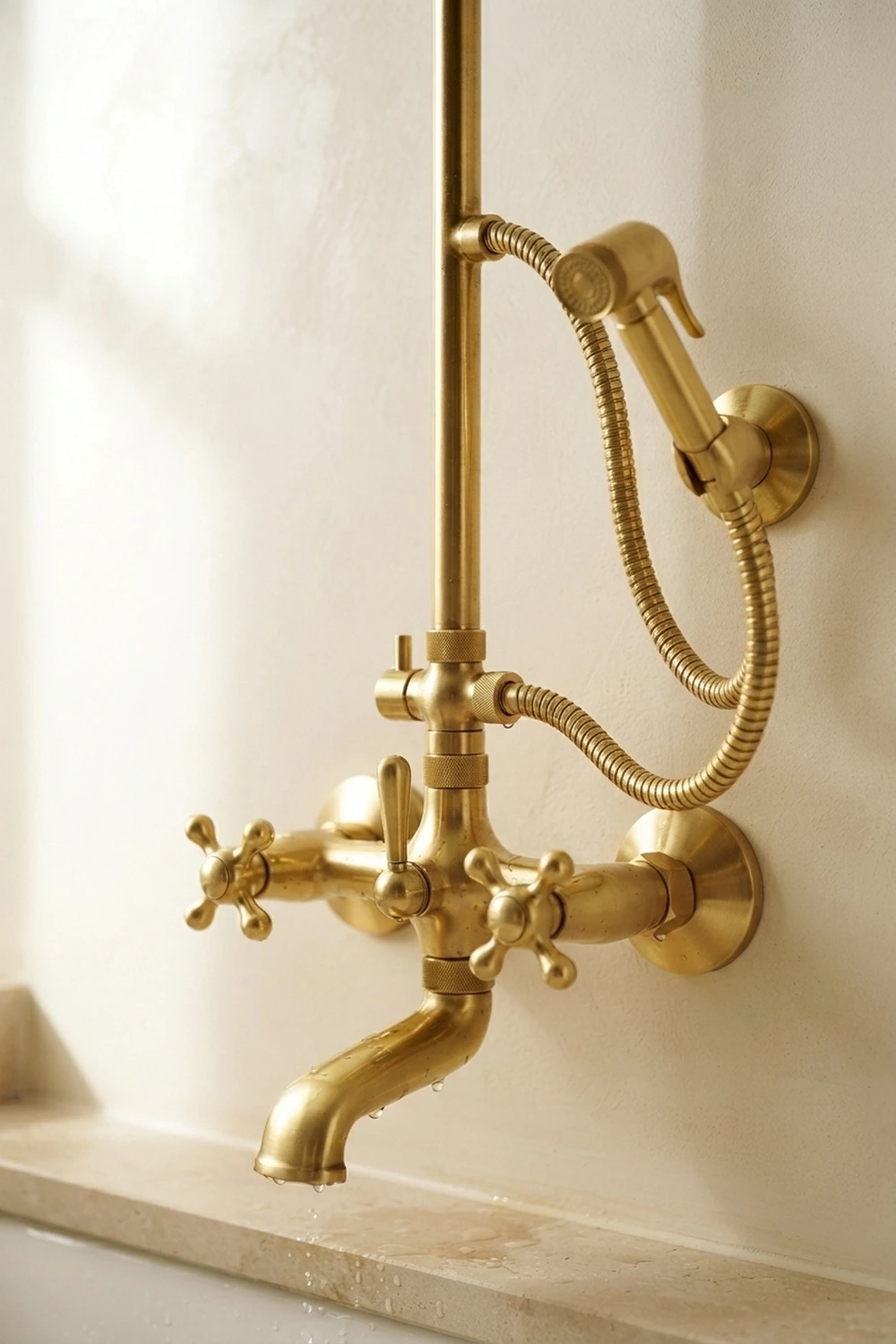
Wall-Mount Unlacquered Brass Tub Filler with Handheld Telephone Sprayer
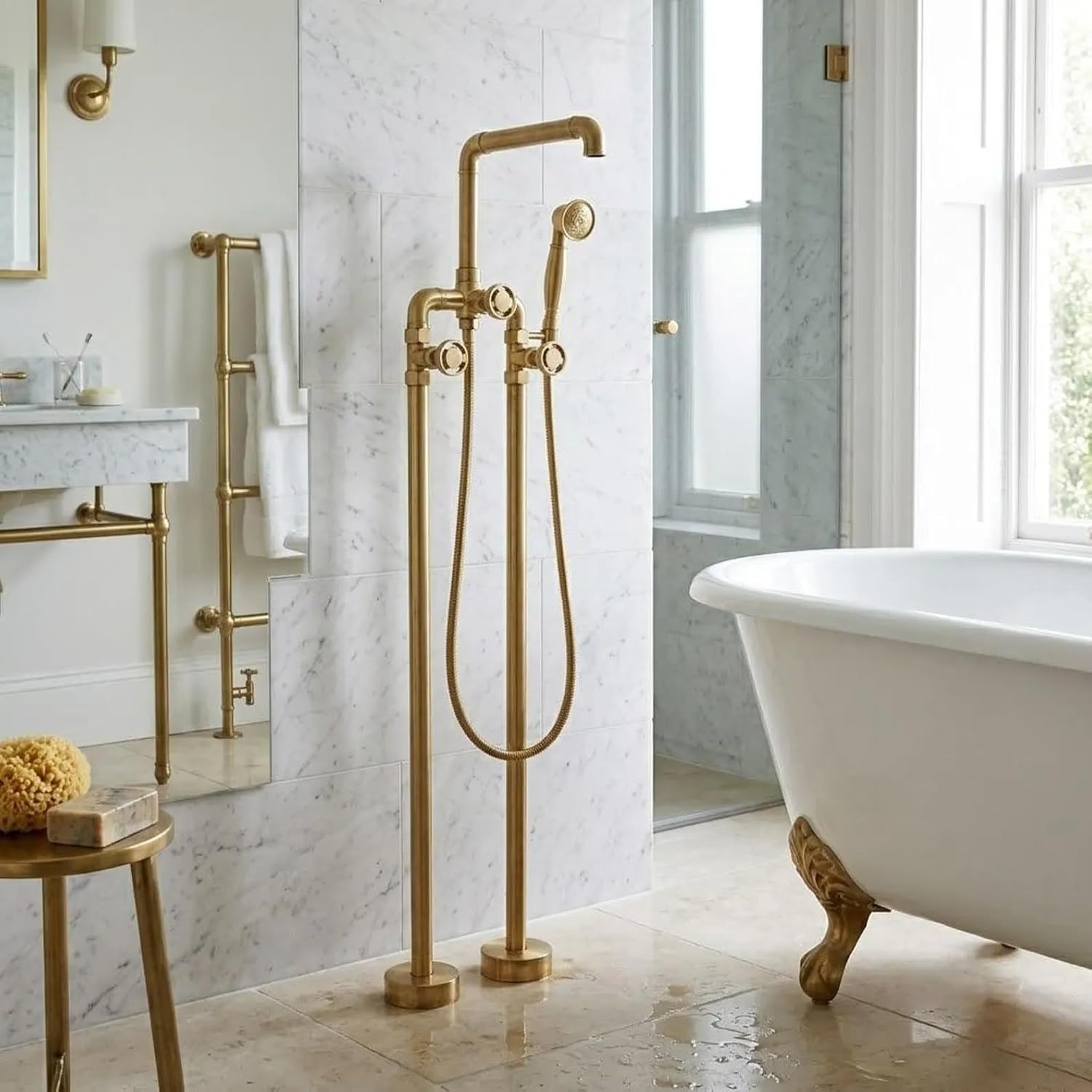
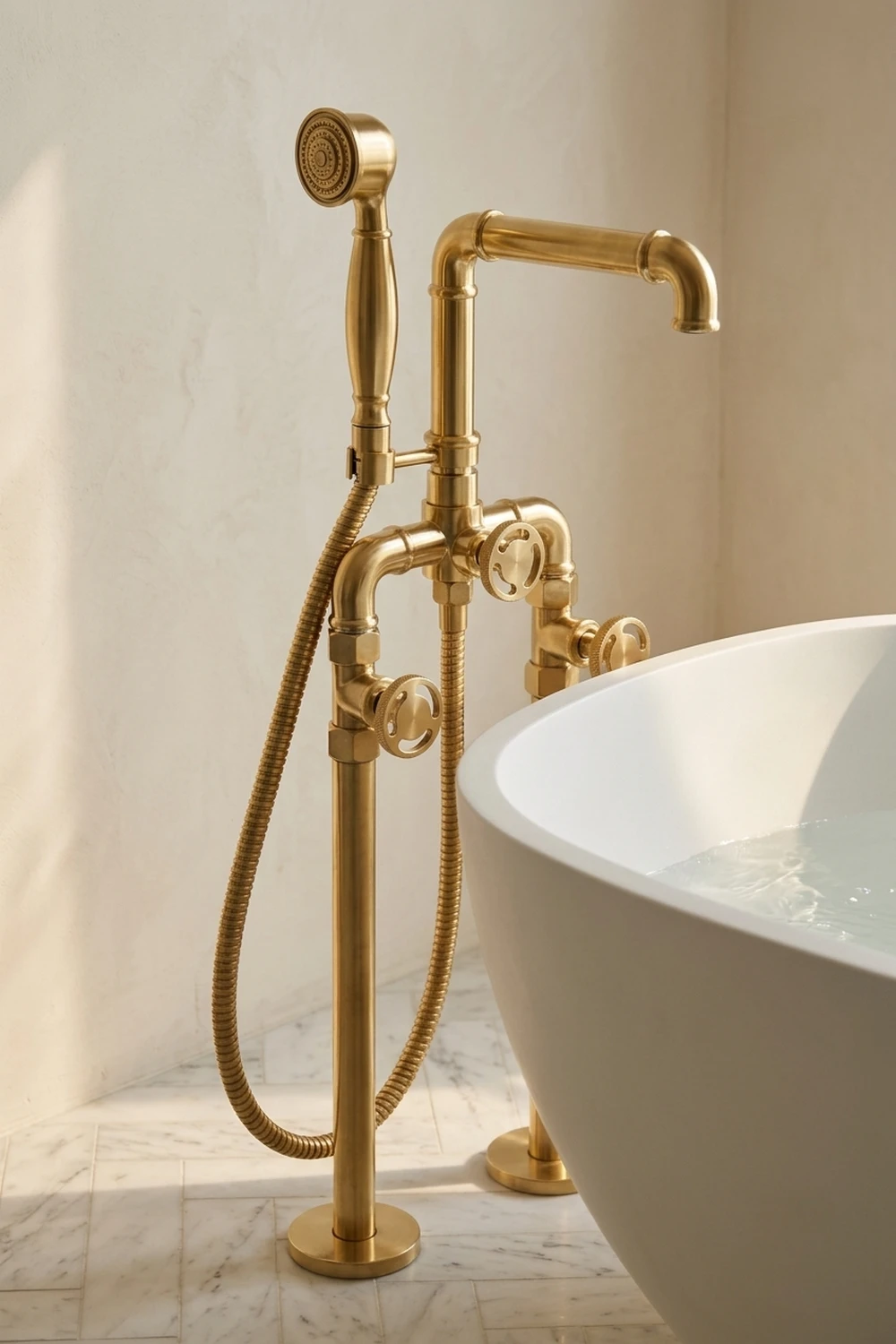
Antique & Brushed Satin Solid Brass Floor-Mount Freestanding Tub Filler
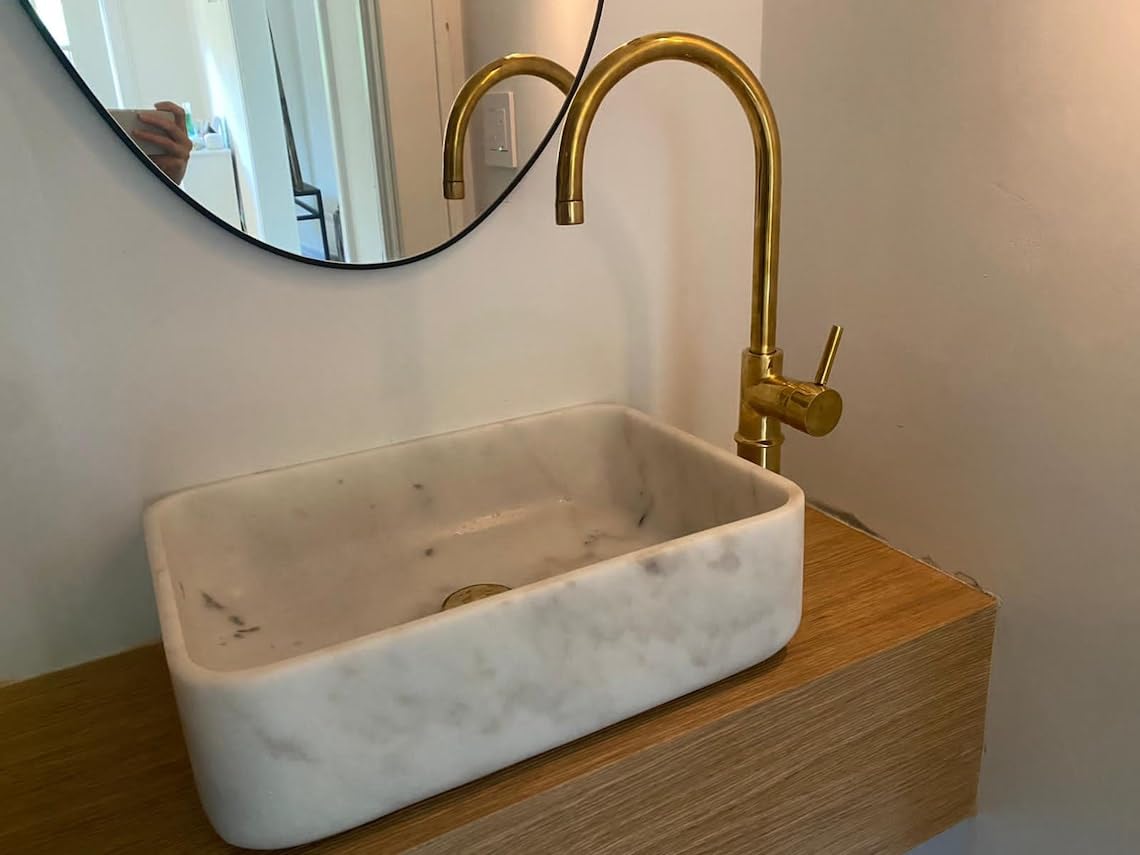
Solid Brass Kitchen Faucet with Matching Soap Dispenser & Ceramic Disc Valve
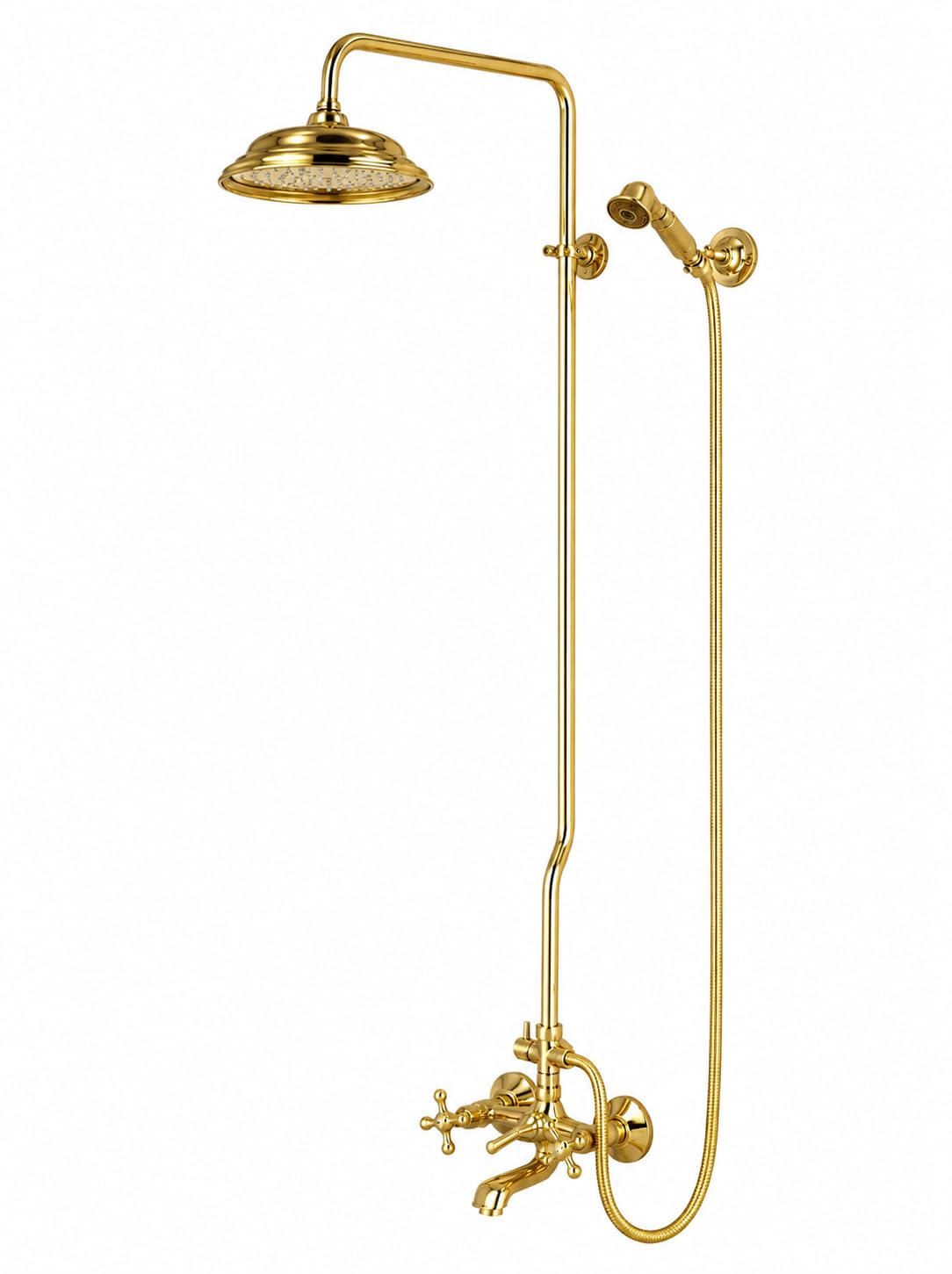
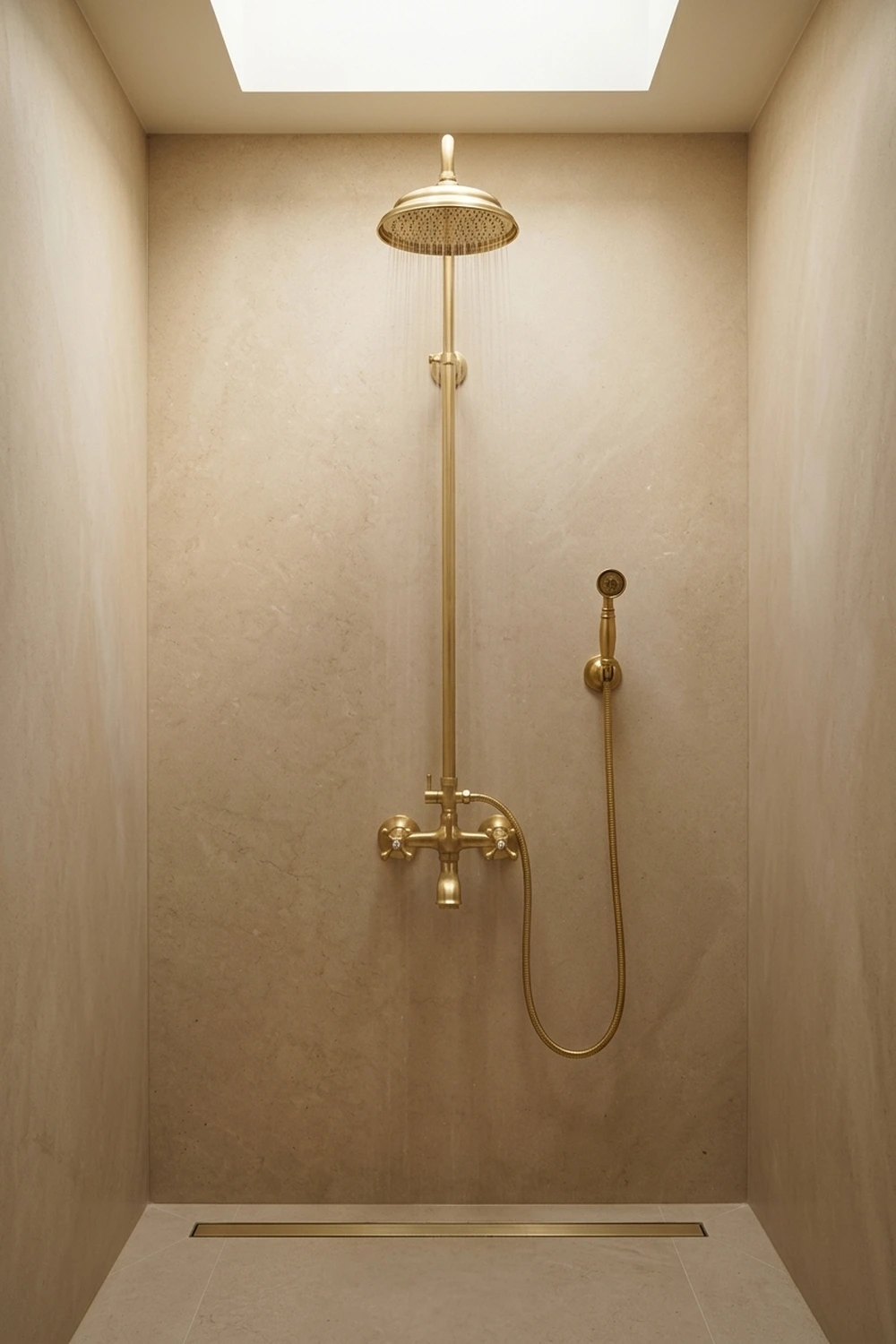
Exposed Solid Brass Shower System with Tub Spout, Rain Head & Sprayer
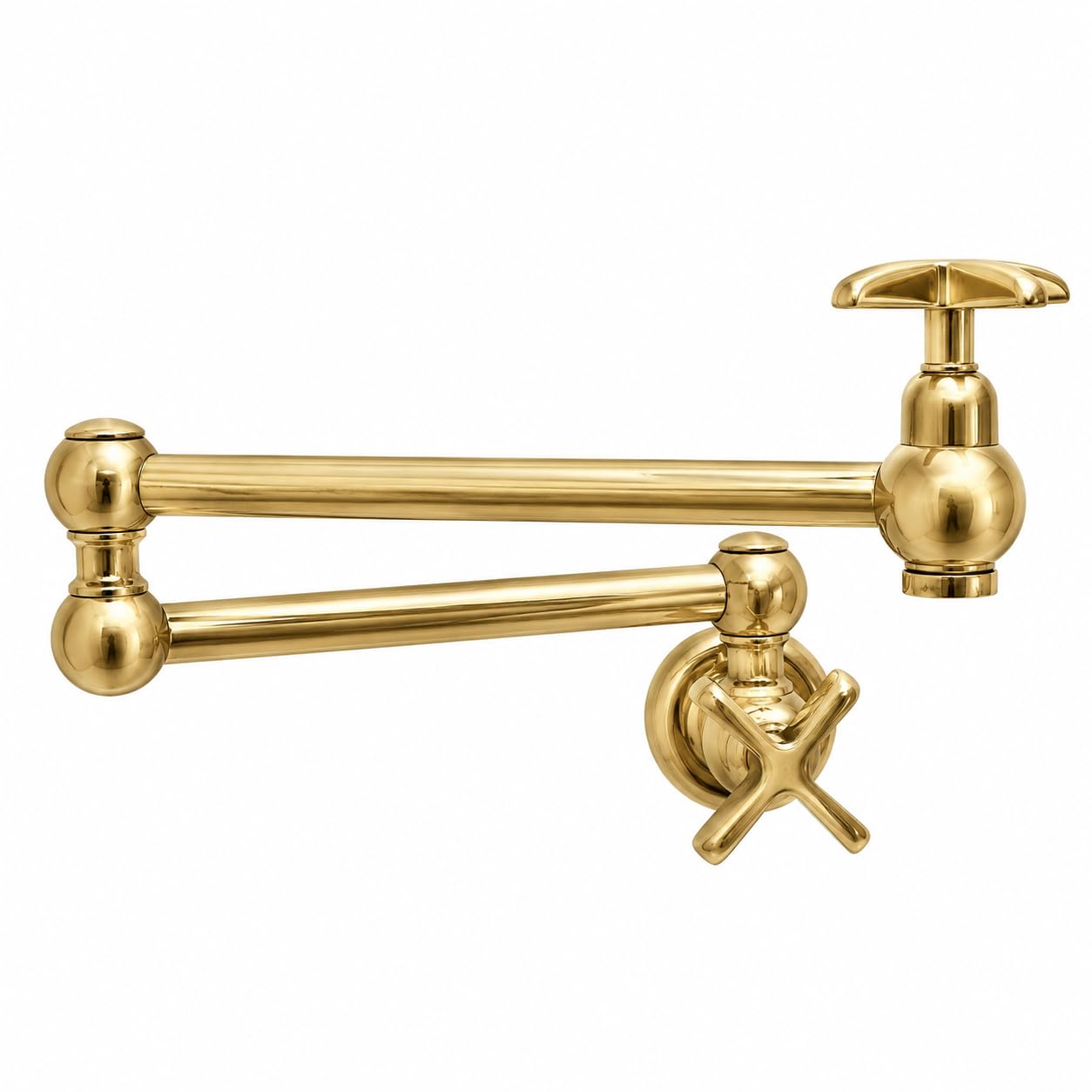
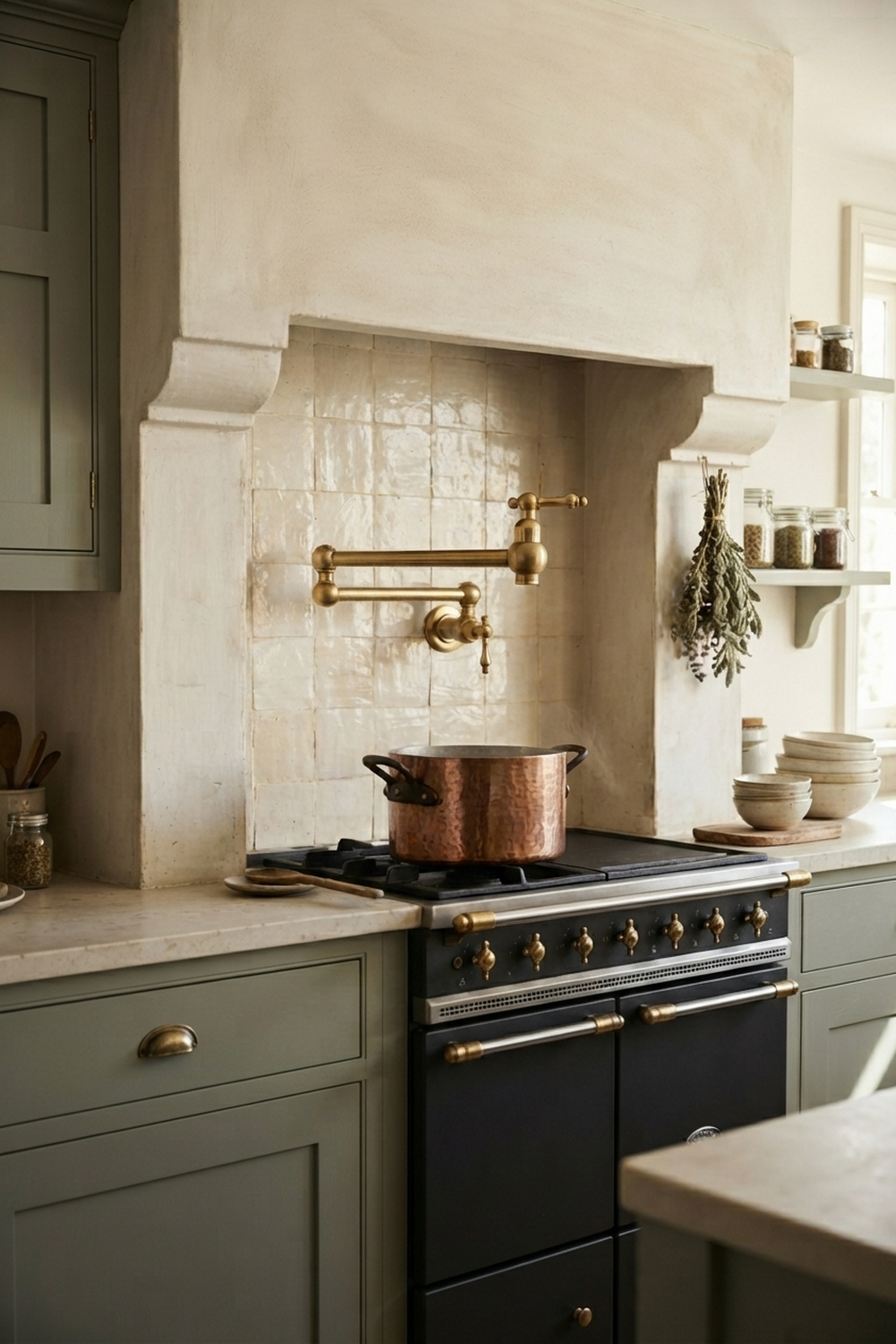
Unlacquered Solid Brass Wall-Mount Pot Filler Faucet (Dual-Jointed Stove Tap)
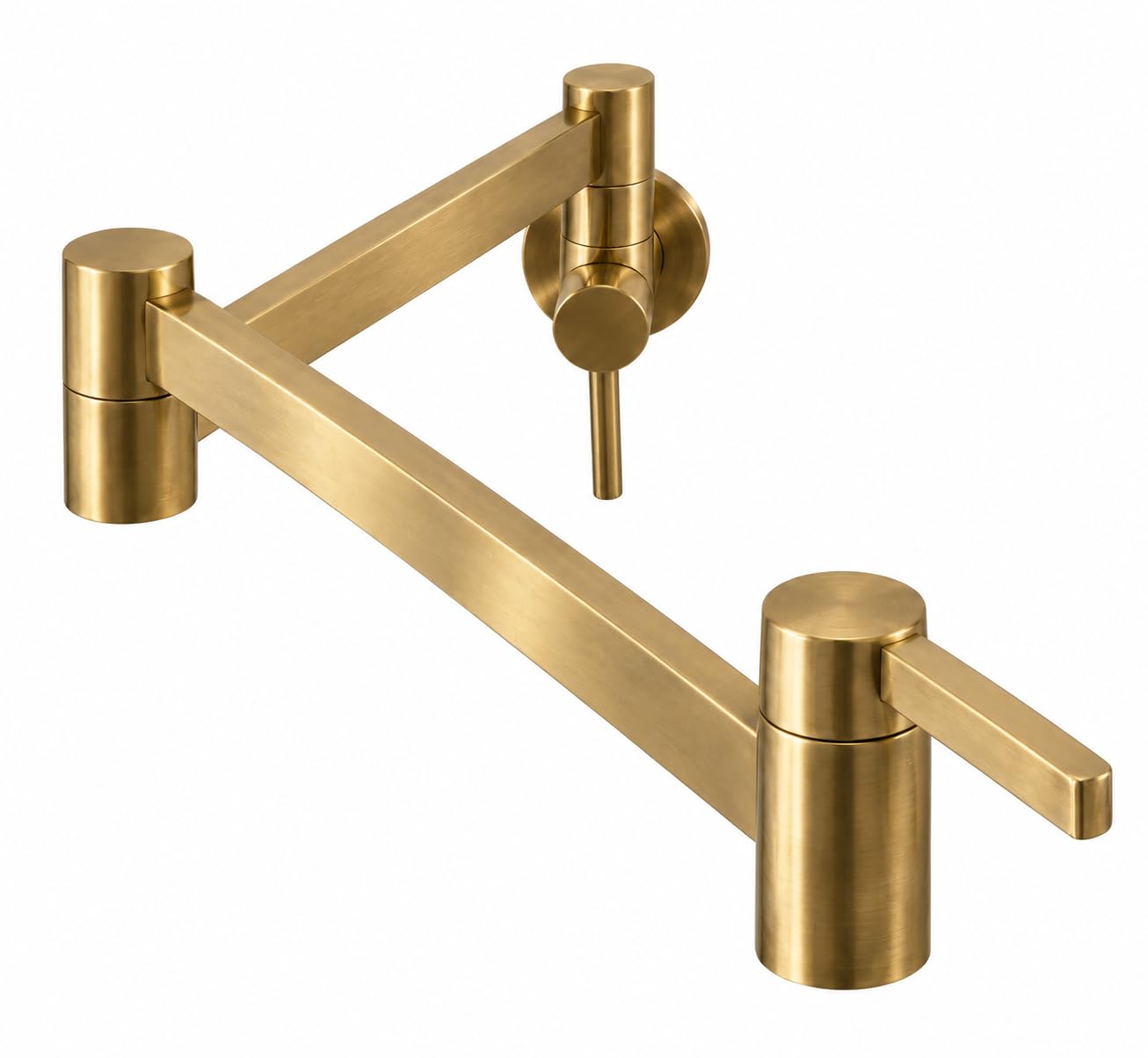
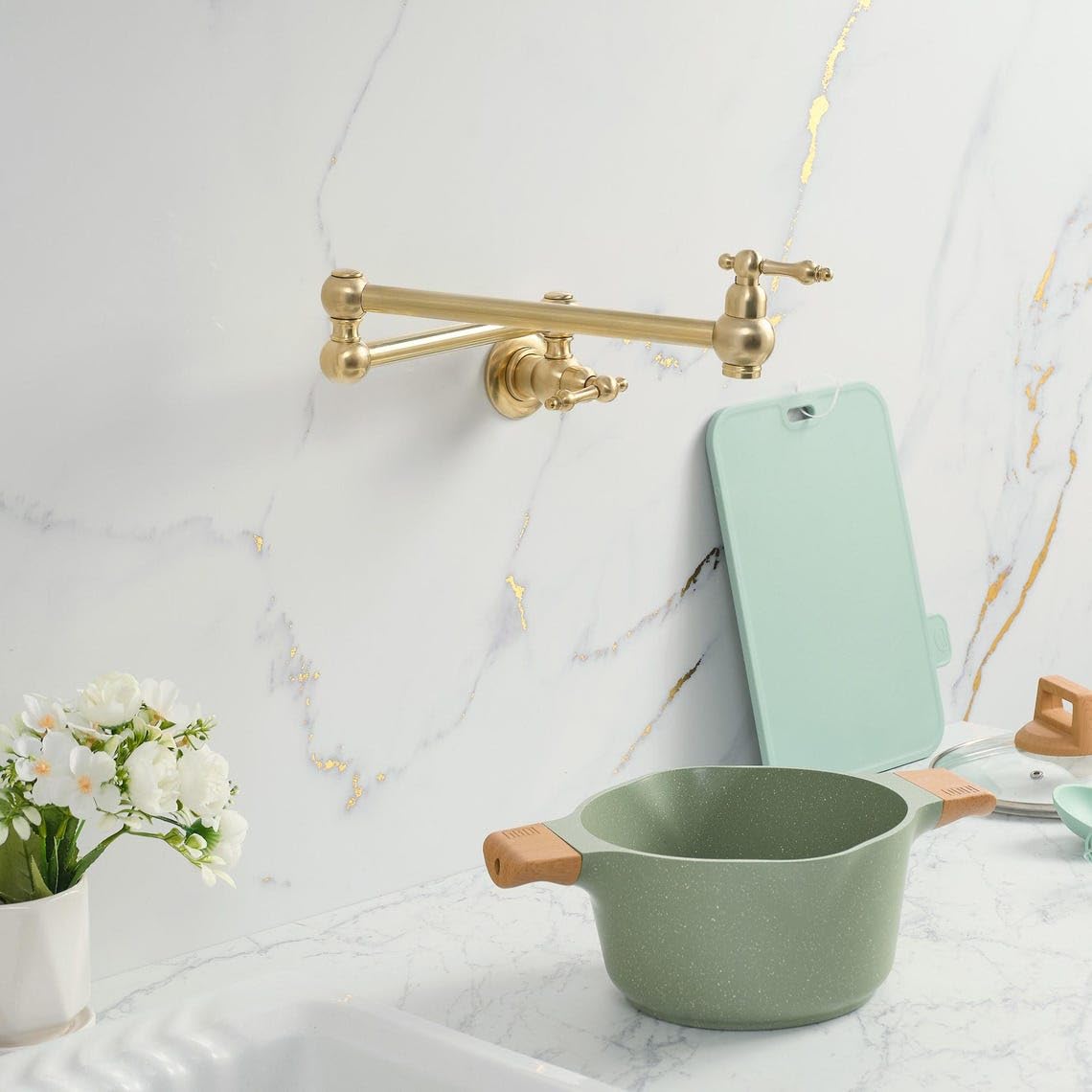
Foldable Solid Unlacquered Brass Pot Filler Faucet (Wall-Mounted Range Tap)
Related Specification & Care Guides
Lacquered vs. Unlacquered Brass: The Architectural Living Finish Guide
The definitive architectural guide comparing static polyurethane-coated lacquered brass with authentic solid living unlacquered brass. Why top architects and luxury interior designers have abandoned synthetic clear-coats for generational living metals.
Satin Brass vs. Brushed Brass vs. Living Brass: The Finish Specifier's Guide
While often marketed interchangeably, satin brass and brushed brass are created through distinct mechanical finishing processes that yield different light reflections, tactile grains, and maintenance demands. Discover how these modern matte finishes compare to authentic unlacquered living brass.
Raw Brass vs. Unlacquered Brass vs. Brushed Brass: The Definitive Finish Guide
Deciding between raw brass, unlacquered brass, and brushed brass? Understand how clear coats, mechanical abrasion, and natural copper oxidation affect the longevity, maintenance, and aging character of luxury architectural fixtures.
Brass Faucet Finishes Explained: Unlacquered vs Lacquered vs PVD vs Antique Brass
Not all gold and brass faucets are created equal. Discover the metallurgical and visual differences between raw unlacquered living brass, hand-aged antique brass, factory clear-lacquered brass, PVD brushed gold, and electroplated zinc so you specify the right finish for your project.
Architectural Notes & Living Patina Care
What is the difference between polished brass and unlacquered brass?
Polished brass refers to the initial surface finish—a radiant, mirror-like golden reflection. When polished brass is unlacquered (raw), it does not have a synthetic plastic barrier, allowing it to naturally react with oxygen and touch, gradually aging into a warm golden patina. Lacquered brass stays frozen in artificial high gloss until the coating eventually cracks and darkens.
What is brushed satin living brass?
Brushed satin living brass is mechanically textured with fine directional abrasive belts, creating a soft, matte golden luster that diffuses light and naturally conceals daily water spots and fingerprints while aging gracefully.
Can a brushed brass faucet be polished back to bright gold?
Brushed brass can be polished with metal cleaner (such as Brasso or Cape Cod cloths) to brighten its tone; however, polishing will not remove the micro-brushed texture. It maintains a matte golden hue rather than mirror gloss.
How long does it take for a polished brass faucet to start developing a patina?
In active kitchens, initial patina development begins within 2 to 4 weeks. High-contact touch points on handles burnish warm gold, while water splashes near the base take on deep amber and antique bronze undertones.
Do brushed and polished brass faucets resist hard water buildup?
Solid brass is impervious to mineral degradation. Hard water calcium deposits can be easily lifted with a soft cloth dipped in a 50/50 mixture of warm water and white vinegar, followed by a water rinse.