Raw Brass vs. Unlacquered Brass vs. Brushed Brass: The Definitive Finish Guide
Deciding between raw brass, unlacquered brass, and brushed brass? Understand how clear coats, mechanical abrasion, and natural copper oxidation affect the longevity, maintenance, and aging character of luxury architectural fixtures.
Shop Featured Solid Unlacquered Brass Fixtures From This Study
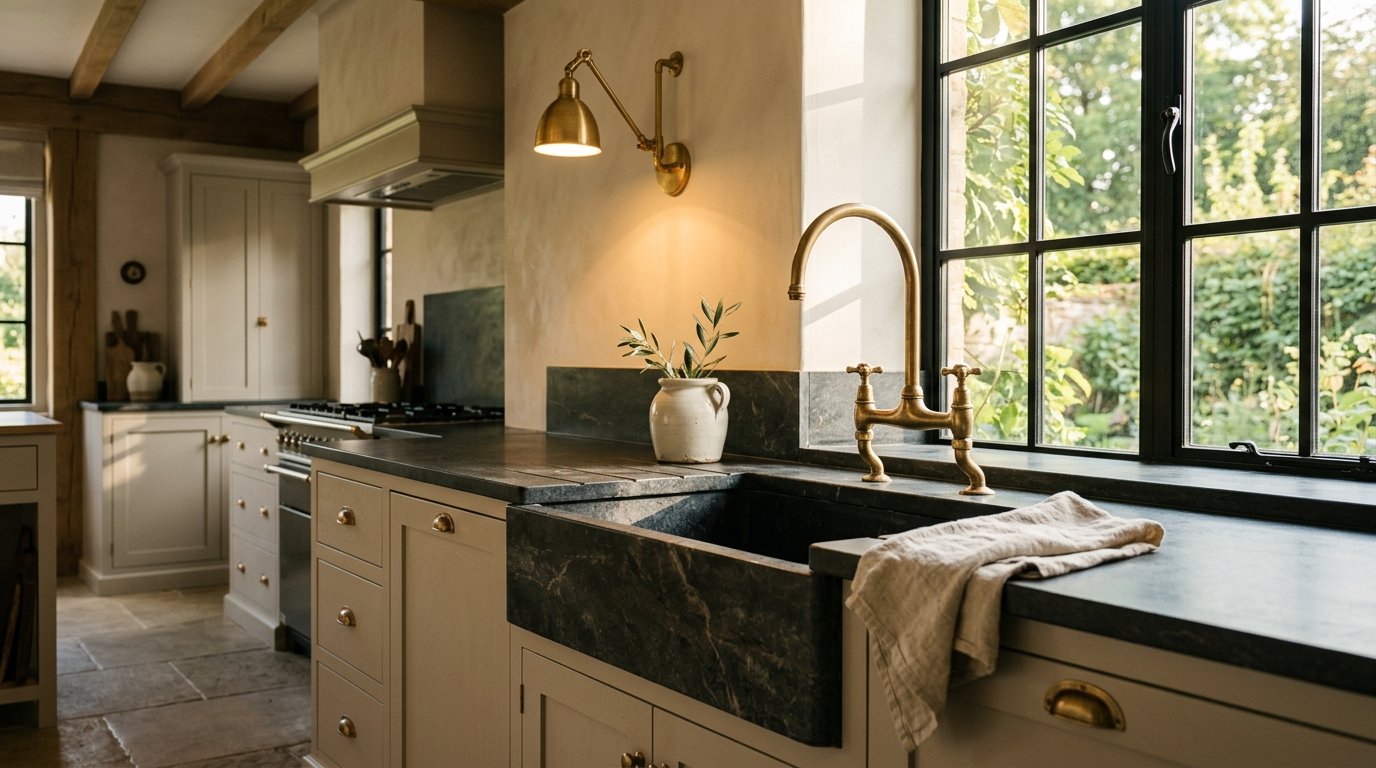
1. The Terminology Confusion: Raw, Living, Unlacquered & Brushed
Few topics in high-end kitchen and bath design generate as much confusion as brass finish descriptions. Terms like "raw brass," "unlacquered brass," "brushed brass," and "satin brass" are often thrown about interchangeably by retail websites, masking fundamental differences in durability and metallurgy.
Understanding whether a faucet has a synthetic clear coat or is delivered raw is the single most important factor determining how the fixture will look in two years versus twenty.
Artisan Solid Living Brass Featured in This Study
2. The Science of the Living Surface: How Atmospheric Oxidation Works
Authentic raw unlacquered brass is an active, open-pored alloy consisting of 65% copper and 35% zinc. Left untouched, the copper molecules react organically with atmospheric oxygen and airborne moisture to develop a microscopic layer of cuprous oxide.
This natural oxidation is not rust or corrosion; it is a self-protecting patina that shields the deeper metal while cultivating an exquisite, variegated antique tone that artificial factory coatings cannot replicate.
3. The Lacquer Trap: Why Clear Coats Are the Primary Failure Point
Commercial faucet manufacturers apply sprayed polyurethane or baked acrylic lacquers to lock in a static brushed look. While attractive out of the box, synthetic lacquer is brittle and vulnerable to thermal cycling near hot water sinks.
Once steam or cleaning acids penetrate the clear coat, moisture becomes trapped against the raw metal underneath, resulting in unsightly black spider-web corrosion that cannot be cleaned without chemically stripping the entire faucet.
4. PVD vs. Living Metal: Modern Industrial Science vs. Old-World Heritage
Physical Vapor Deposition (PVD) vaporizes titanium or zirconium in a high-vacuum chamber to deposit a microscopic film over brass or zinc cores. While highly scratch-resistant, PVD is inert and sterile—it will never develop a patina, never soften with age, and cannot be buffed if chipped.
Medina Brass rejects synthetic coatings in favor of monolithic sand-cast living brass that breathes with your home, offering tactile authenticity that only improves with generational use.
5. Architectural Selection: Matching the Living Finish to Your Interior Style
Raw living brass thrives across a vast spectrum of architectural aesthetics. In historic brownstones and English country kitchens, pair an unlacquered bridge faucet with honed marble or soapstone.
In warm minimalist, Mediterranean, or Japandi culinary spaces, single-hole gooseneck mixers and modern pull-down taps introduce tactile organic warmth against pale oak cabinetry and lime-washed walls.
Conservator's PrincipleNever introduce abrasive steel wool or caustic ammonia-based bathroom cleaners to raw unlacquered brass. Warm water with natural soap cleans dirt without stripping accumulated antique patina; a 30-second wipe with jeweler’s rouge or brass paste resets to Day 01 mirror gold anytime.
Frequently Addressed Inquiries
Is raw brass the exact same thing as unlacquered brass?
Yes. In architectural hardware terminology, raw brass and unlacquered brass are interchangeable. Both terms denote solid brass castings that have been hand-buffed without receiving chemical sealants or synthetic polyurethane varnishes.
Why does brushed brass eventually peel and look spotty near a kitchen sink?
Most mass-market brushed brass faucets are coated in clear acrylic or polyurethane varnish to maintain a uniform look. Hot water steam and acidic dish soaps cause micro-fractures in this plastic barrier, allowing moisture underneath where it oxidizes uncontrollably while the surrounding lacquer remains intact.
How do I reverse an aged unlacquered brass faucet back to day-one shine?
Because solid unlacquered brass is pure alloy through and through, a 60-second wipe with a gentle metal polish such as Cape Cod, Flitz, or Brasso instantly dissolves surface oxidation and restores the factory golden mirror luster.
Can unlacquered brass fixtures be used in humid outdoor showers or oceanfront homes?
Yes. Solid 65/35 brass contains zero iron, making it completely rustproof. In coastal salt air and open-air showers, living brass develops a breathtaking weathered antique bronze patina prized by landscape architects.
Authoritative Standards, Codes & Technical References
Primary metallurgical benchmark for solid 65/35 copper-zinc binary alloy density (8.53 g/cm³), tensile yield, and natural cuprous oxide passivation.
North American mechanical engineering standard governing US 1/2" NPT thread geometry, hydrostatic burst pressure (500 PSI), and 500,000-cycle ceramic disc valve endurance.
Museum and historic preservation protocol for non-abrasive cleaning, microcrystalline wax sealing, and organic patina stabilization on unlacquered architectural brass.
Federal clinical registration confirming uncoated solid brass and copper alloys continuously eliminate 99.9% of surface bacteria within 2 hours.
Handcrafted Brass Featured in This Study
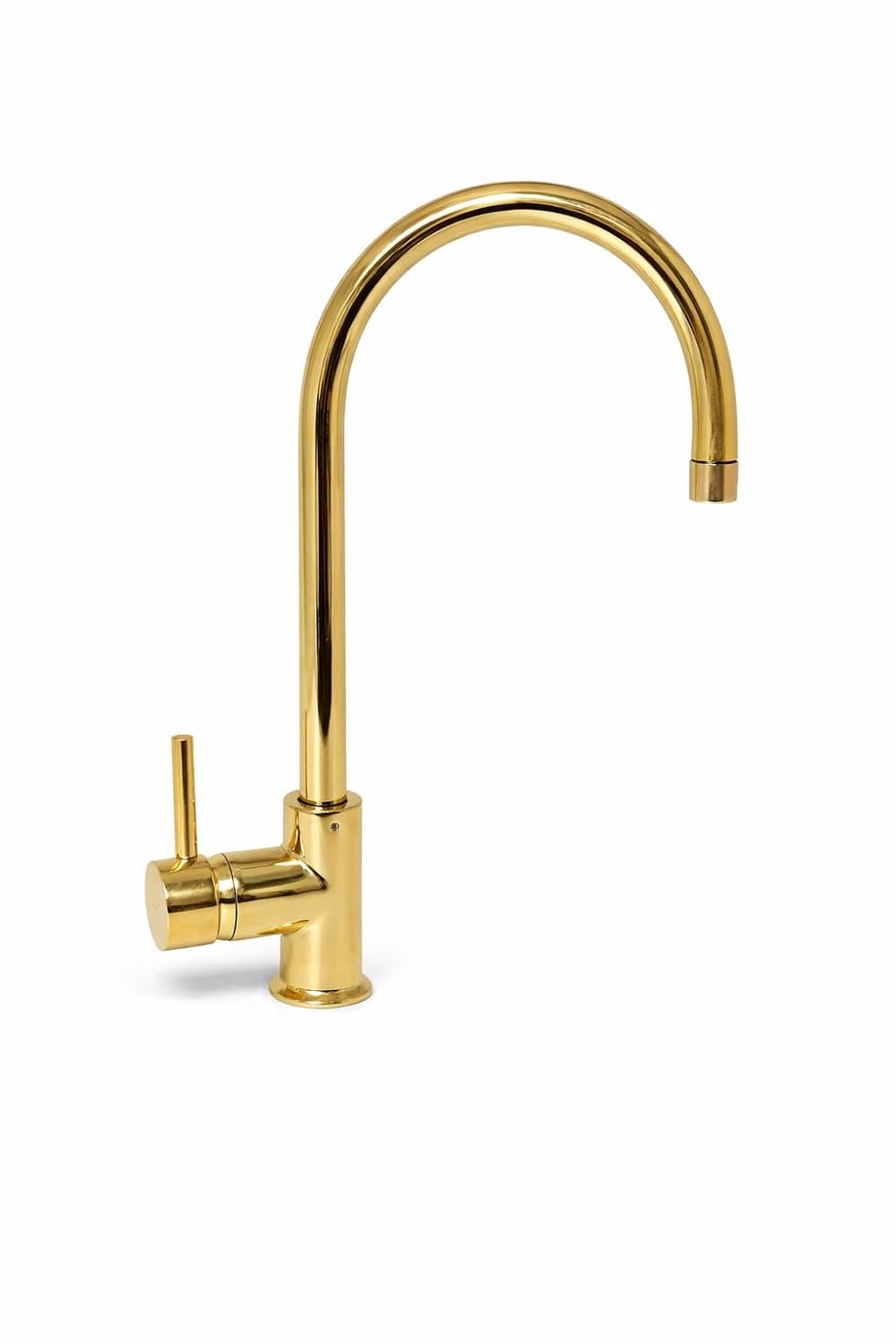
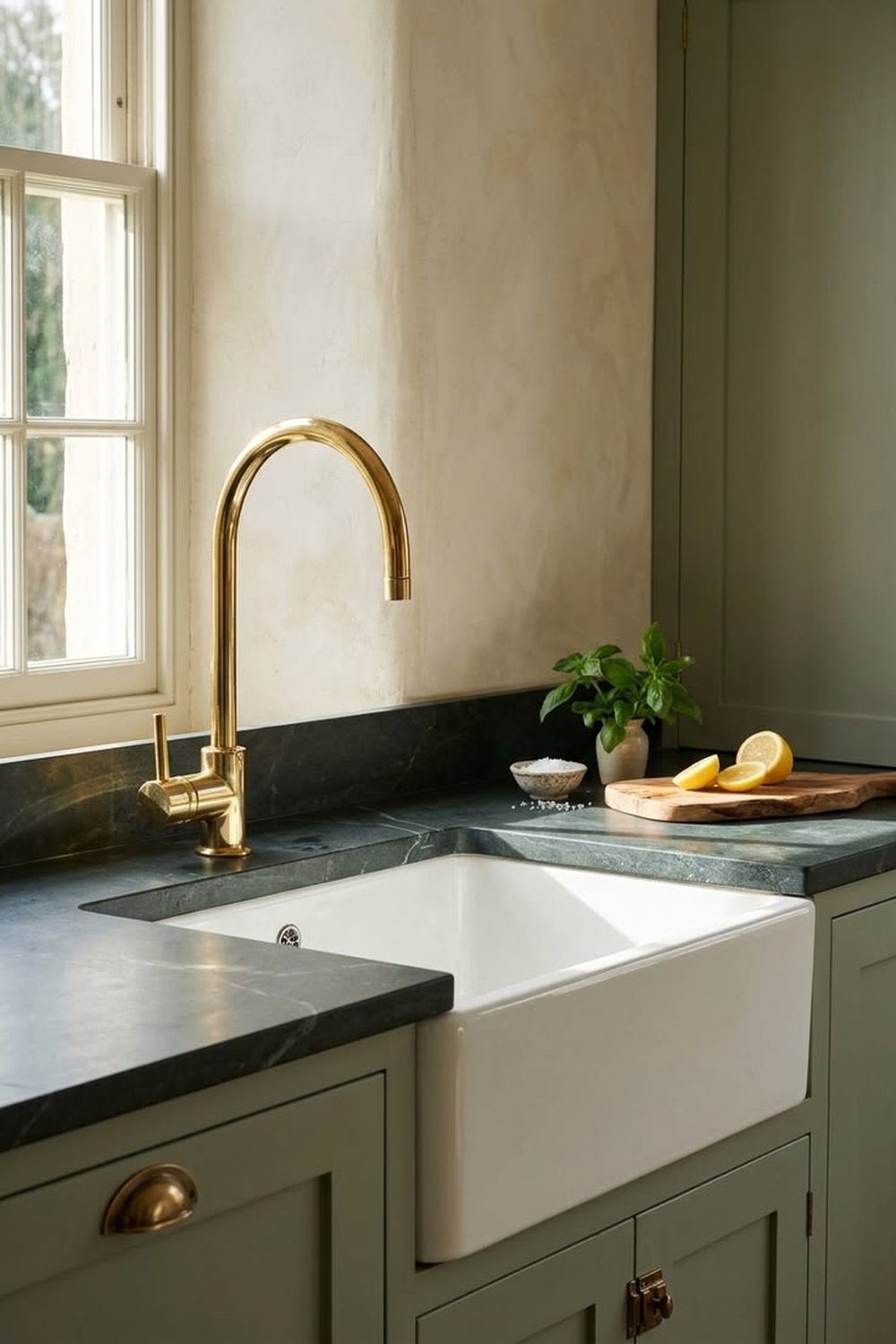
Unlacquered Brass Kitchen Faucet — Solid Brass Gooseneck Tap (Single Lever)
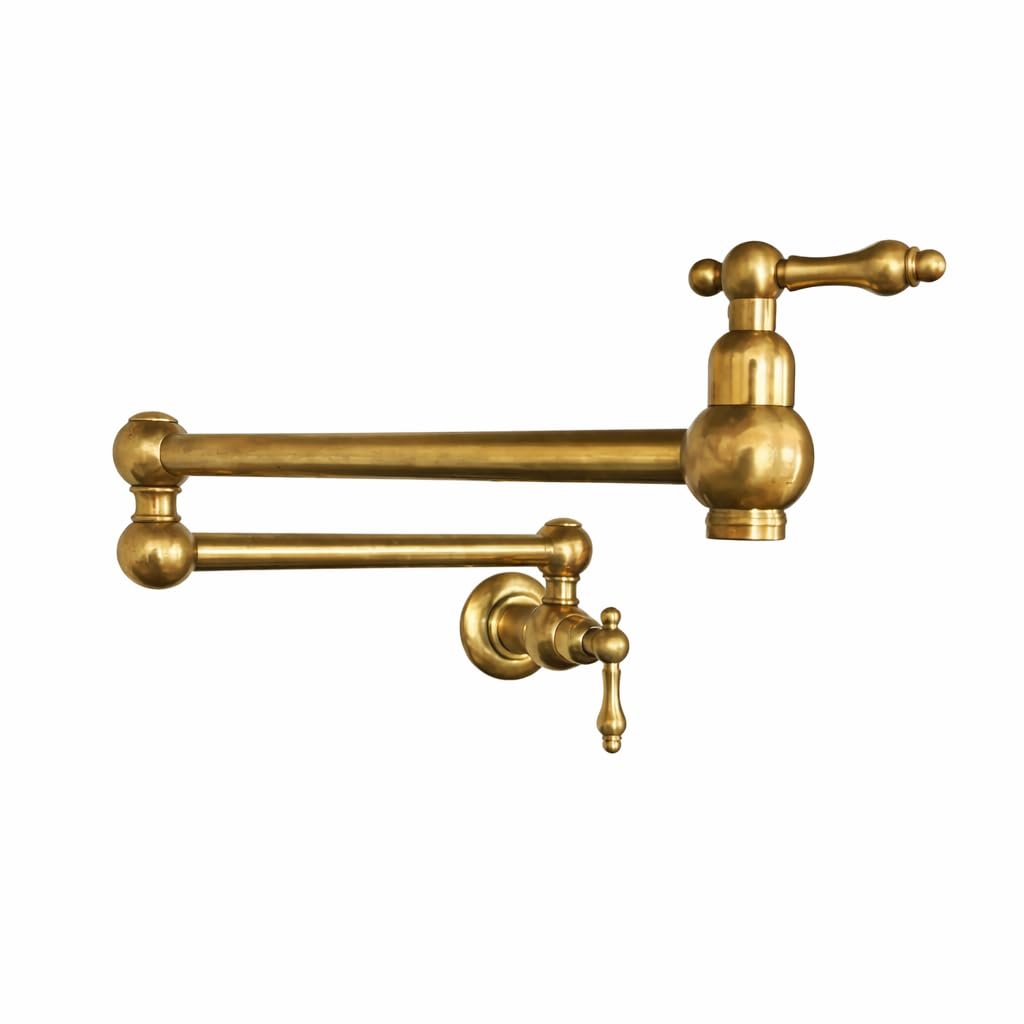
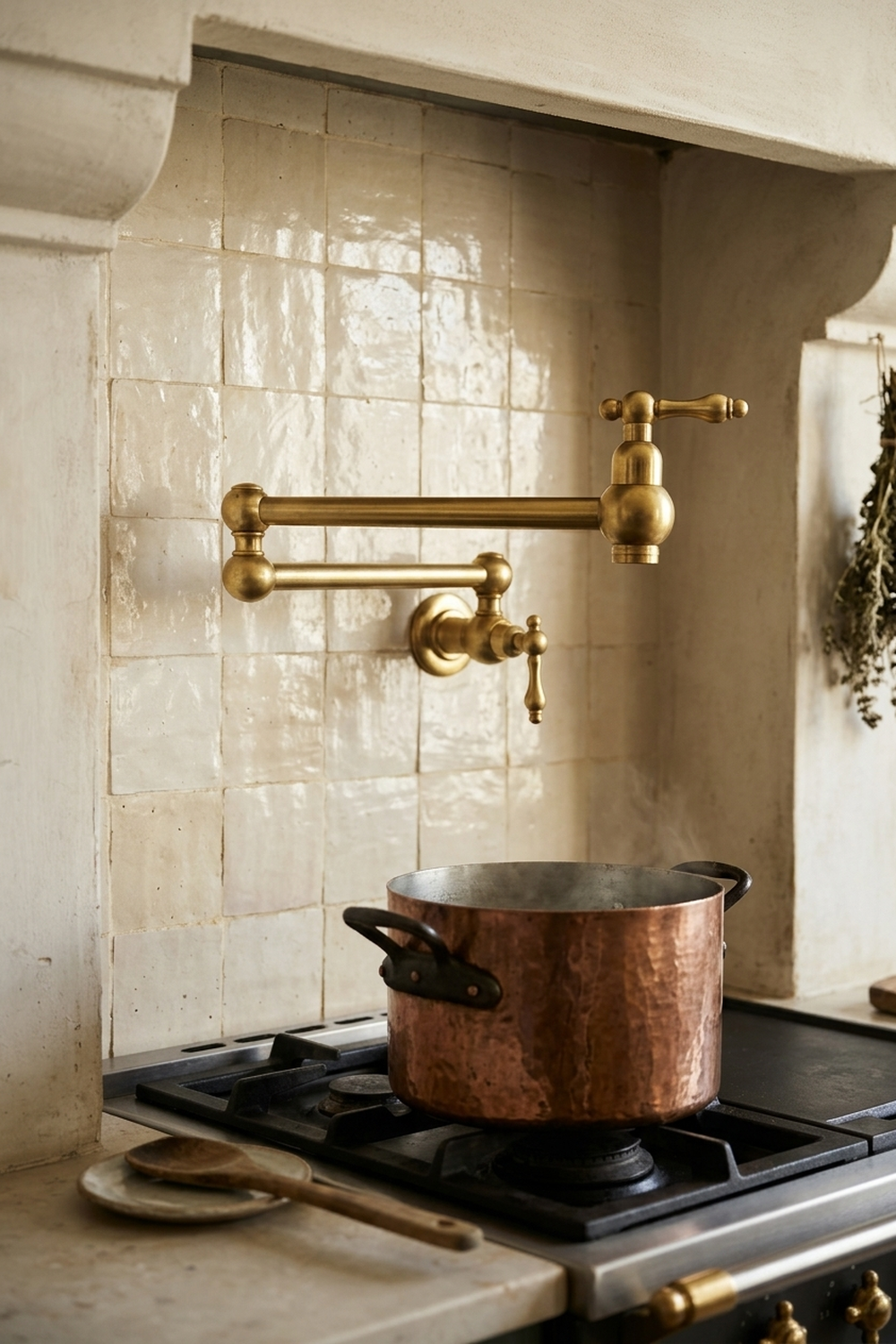
Solid Brass Pot Filler Faucet — Wall-Mounted Dual Articulating (24" Reach)
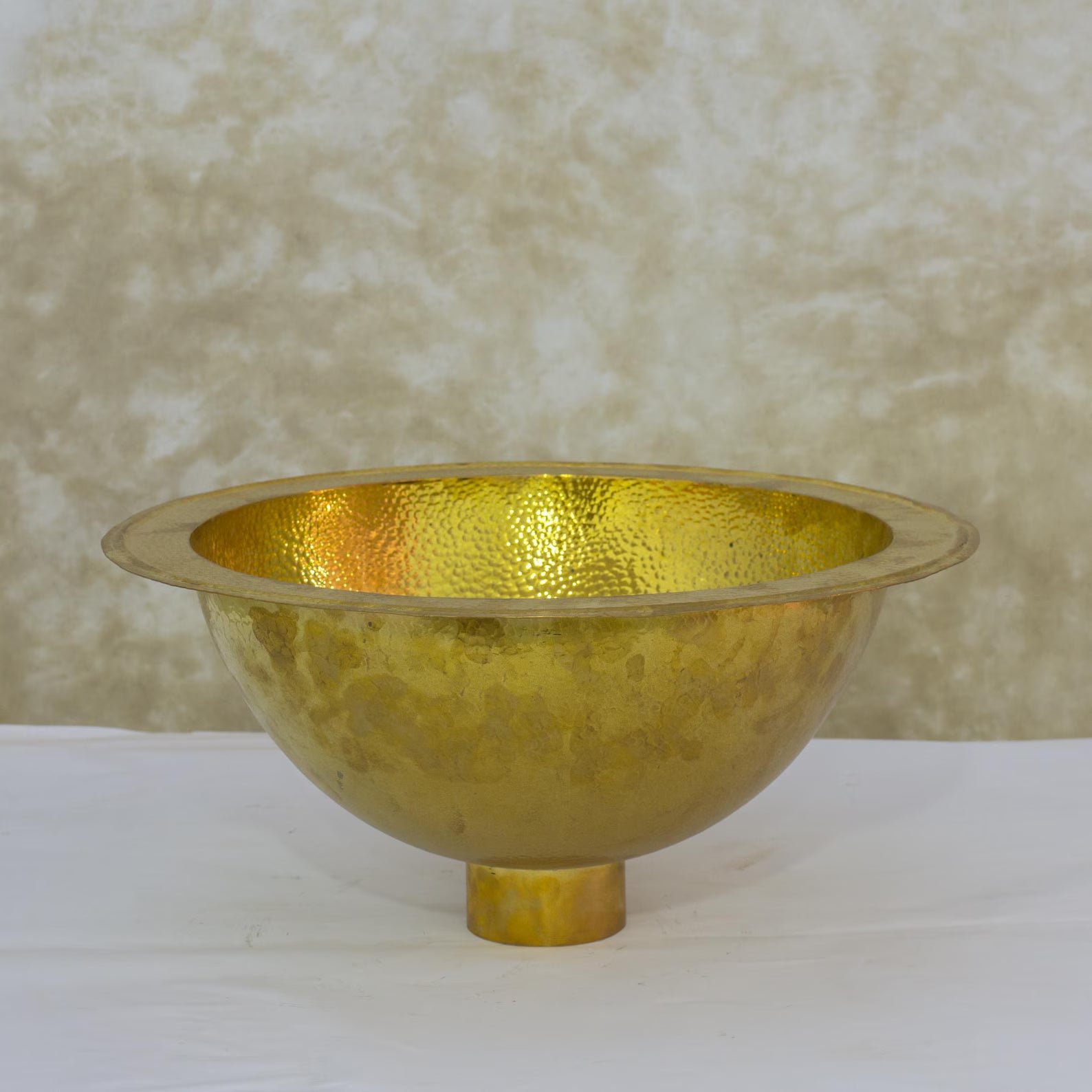
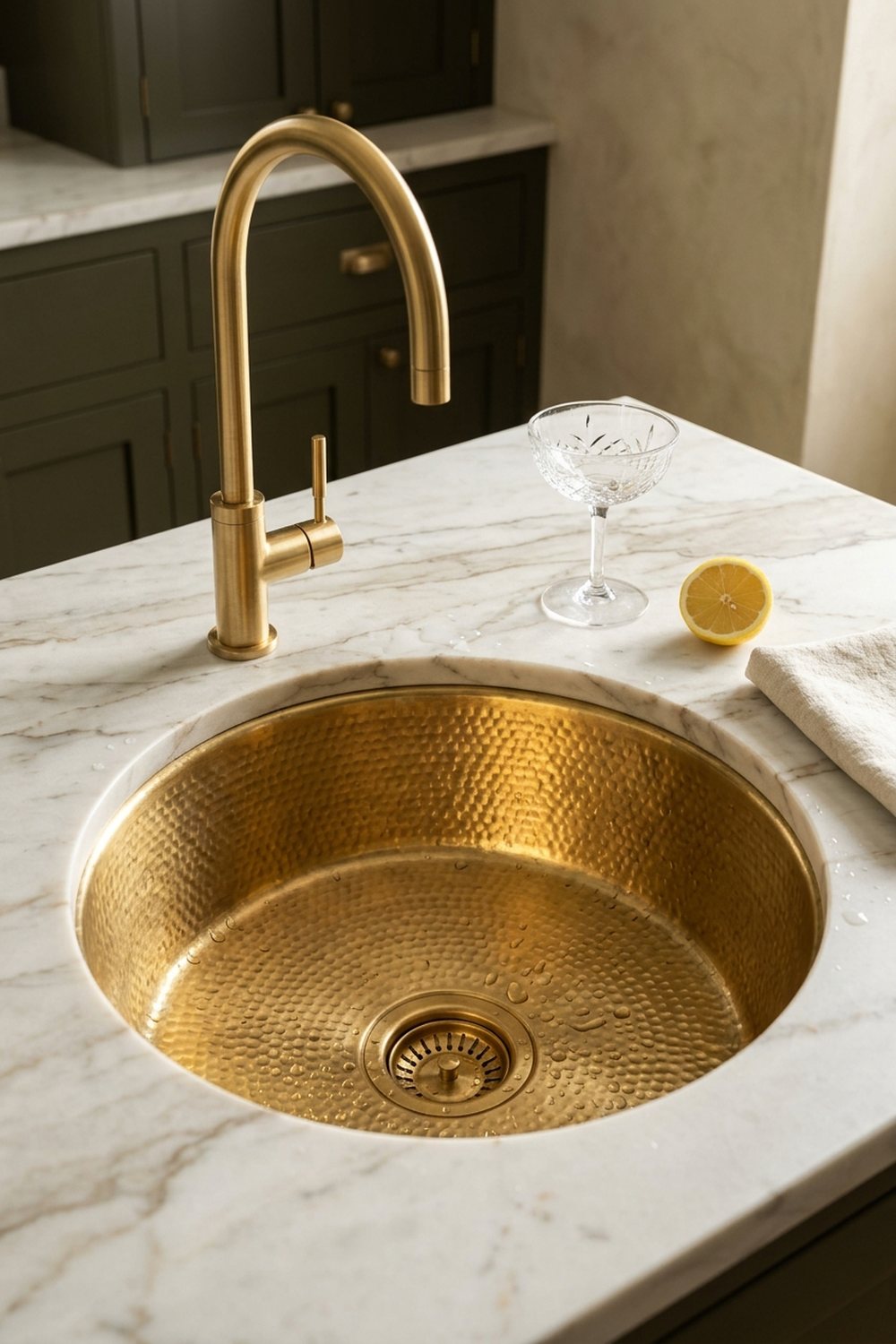
Solid Brass Kitchen & Bar Sink — 15" Hand-Hammered Unlacquered Prep Basin
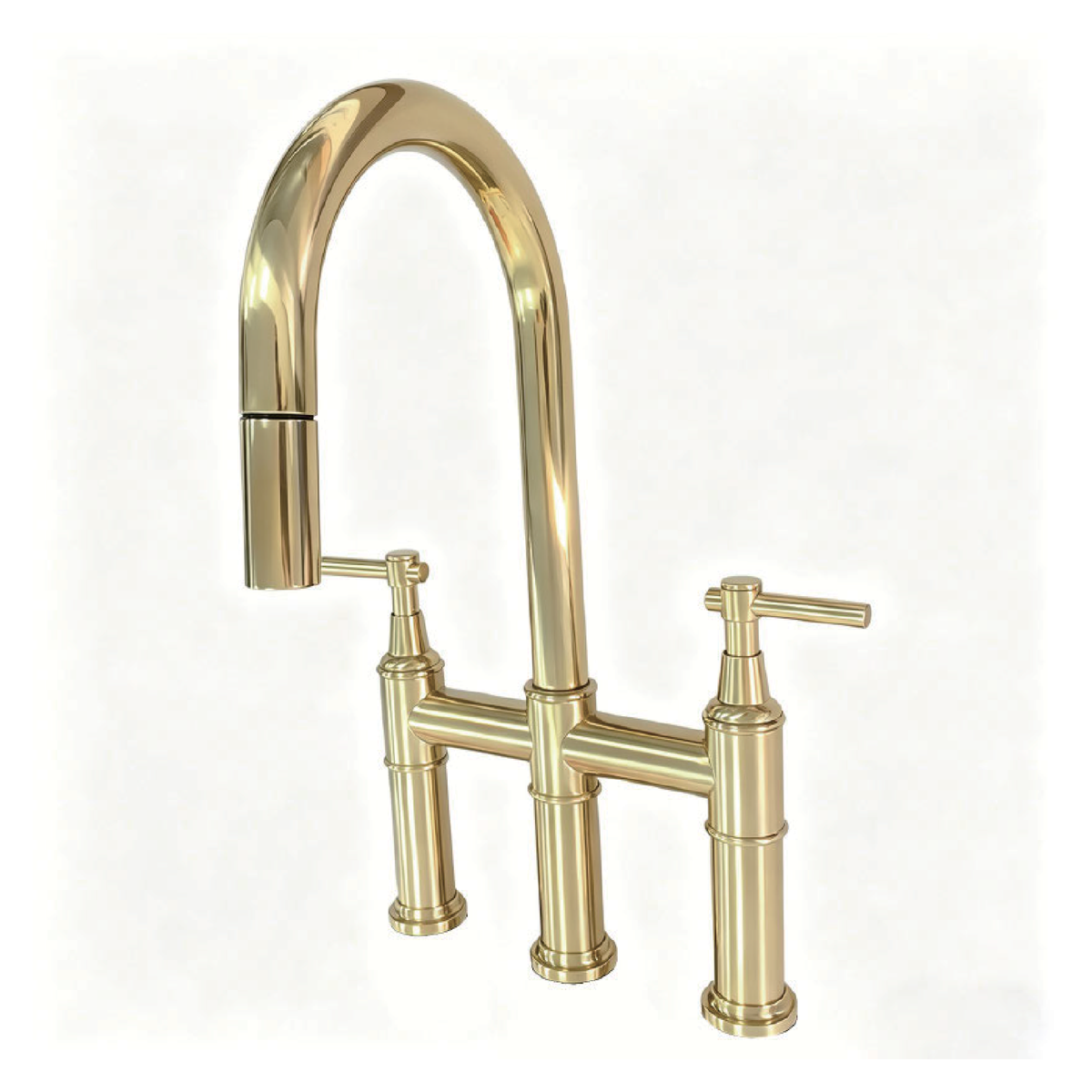
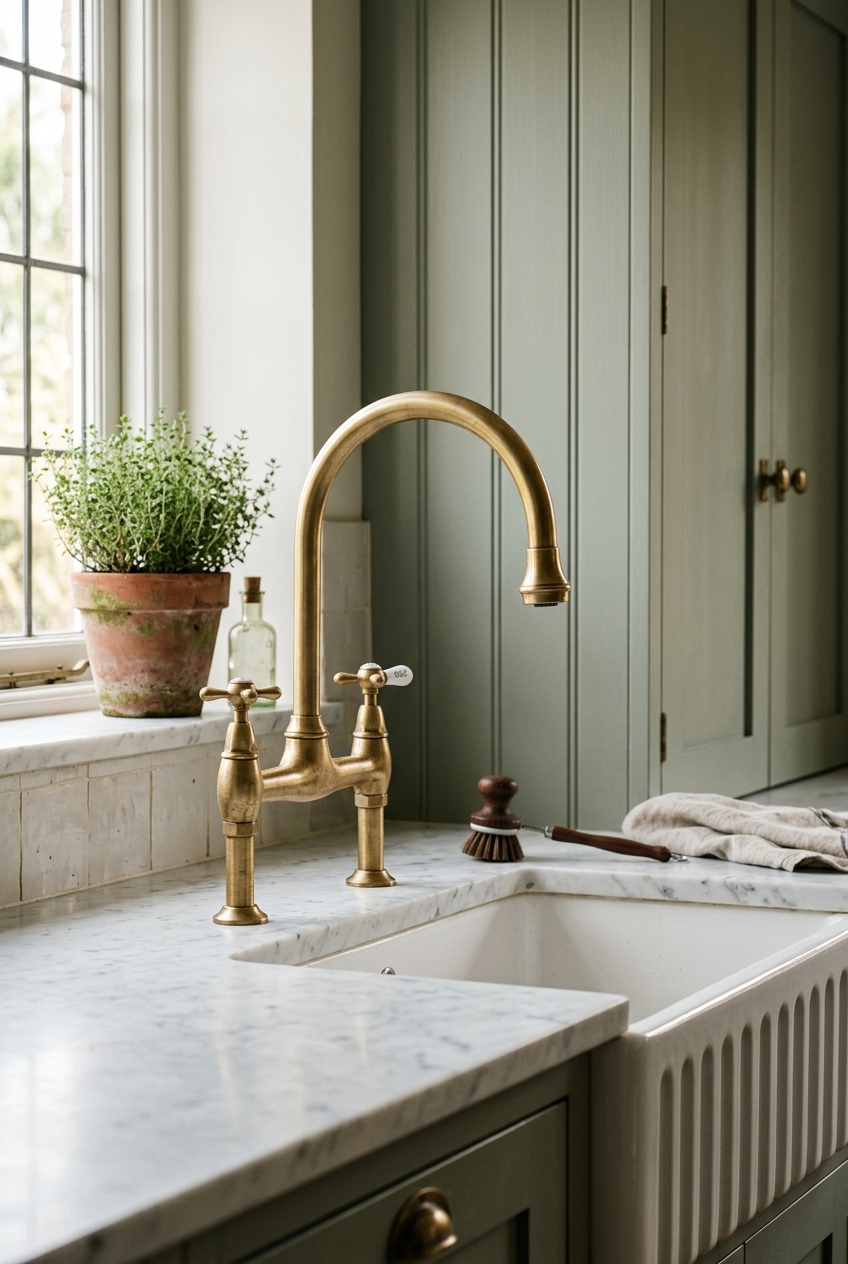
Handcrafted Unlacquered Brass Bridge Kitchen Faucet with Integrated Pull-Down Sprayer
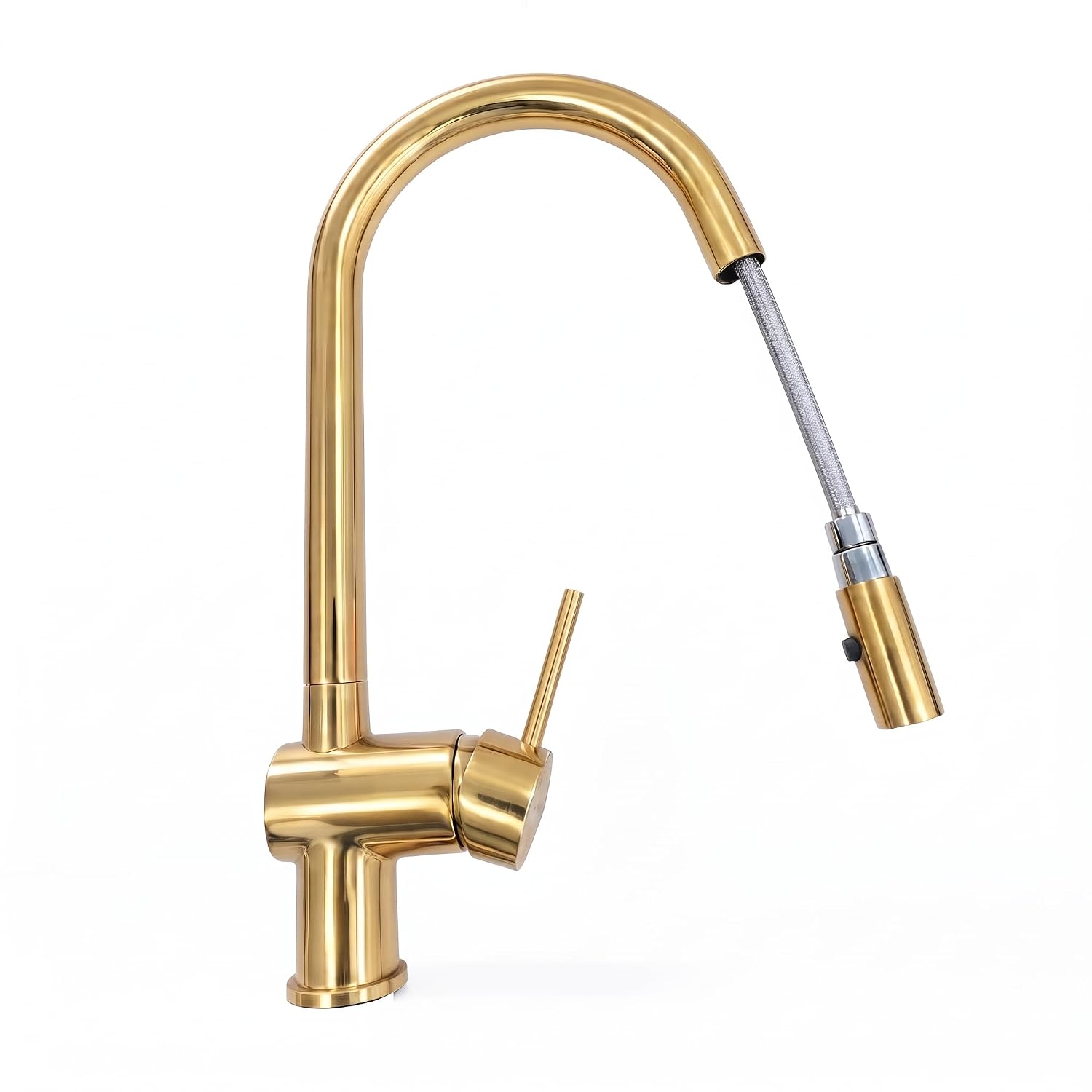
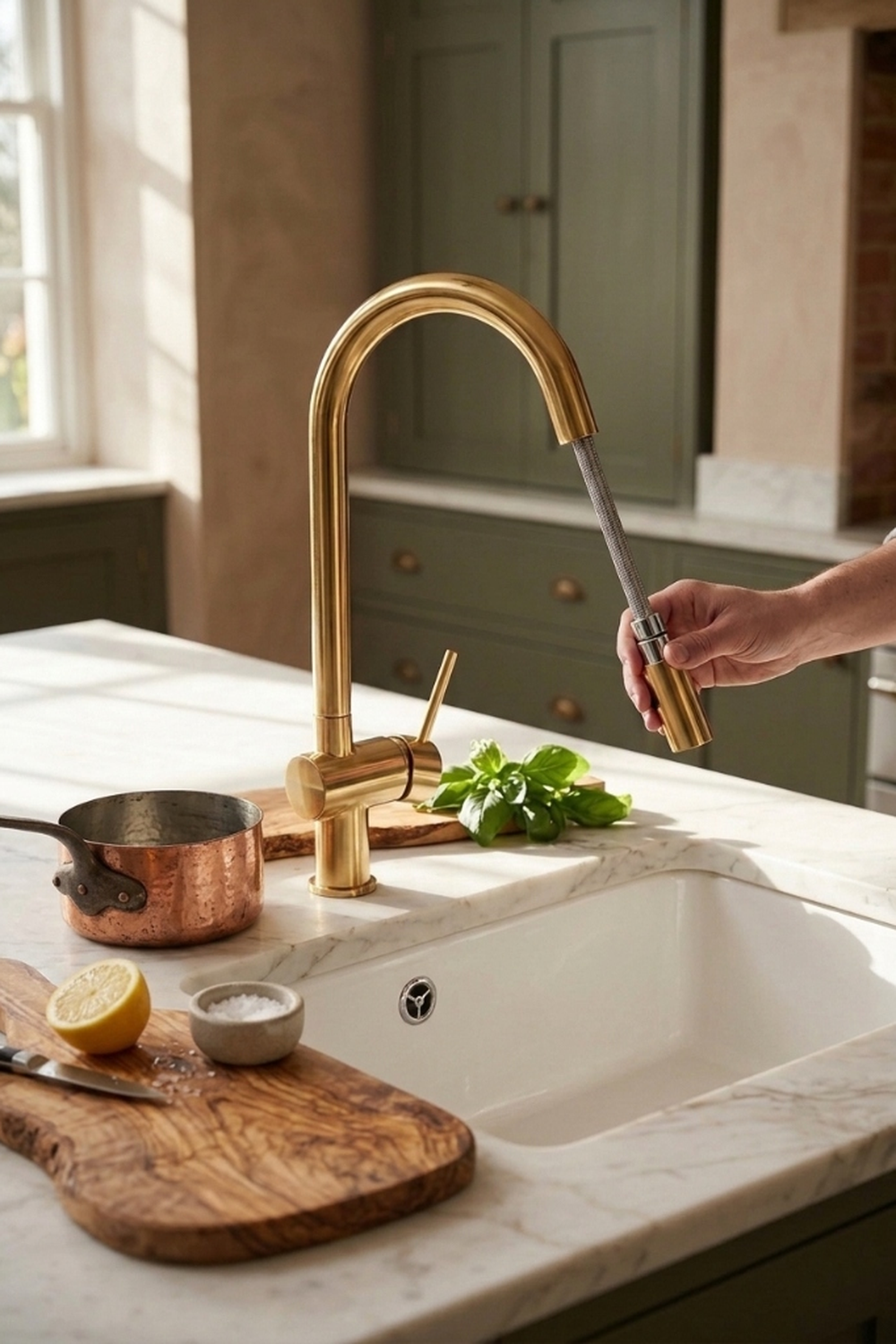
Modern Monobloc Culinary Pull-Down Kitchen Faucet in Solid Living Brass
Handcrafted Solid Living Brass