Unlacquered Brass Kitchen Faucet Buying Guide: Gooseneck vs. Bridge, Living Patina & Solid Brass Taps (2026)
An unlacquered brass kitchen faucet is a heavy-gauge culinary plumbing fixture sand-cast and lathed from virgin 65/35 copper-zinc alloy without synthetic polyurethane or PVD clear-coats. Equipped with 500,000-cycle ceramic disc valves and 1/2" NPT fittings, this solid brass kitchen tap develops an organic, self-healing antique patina over decades of service.
Shop Featured Solid Unlacquered Brass Fixtures From This Study
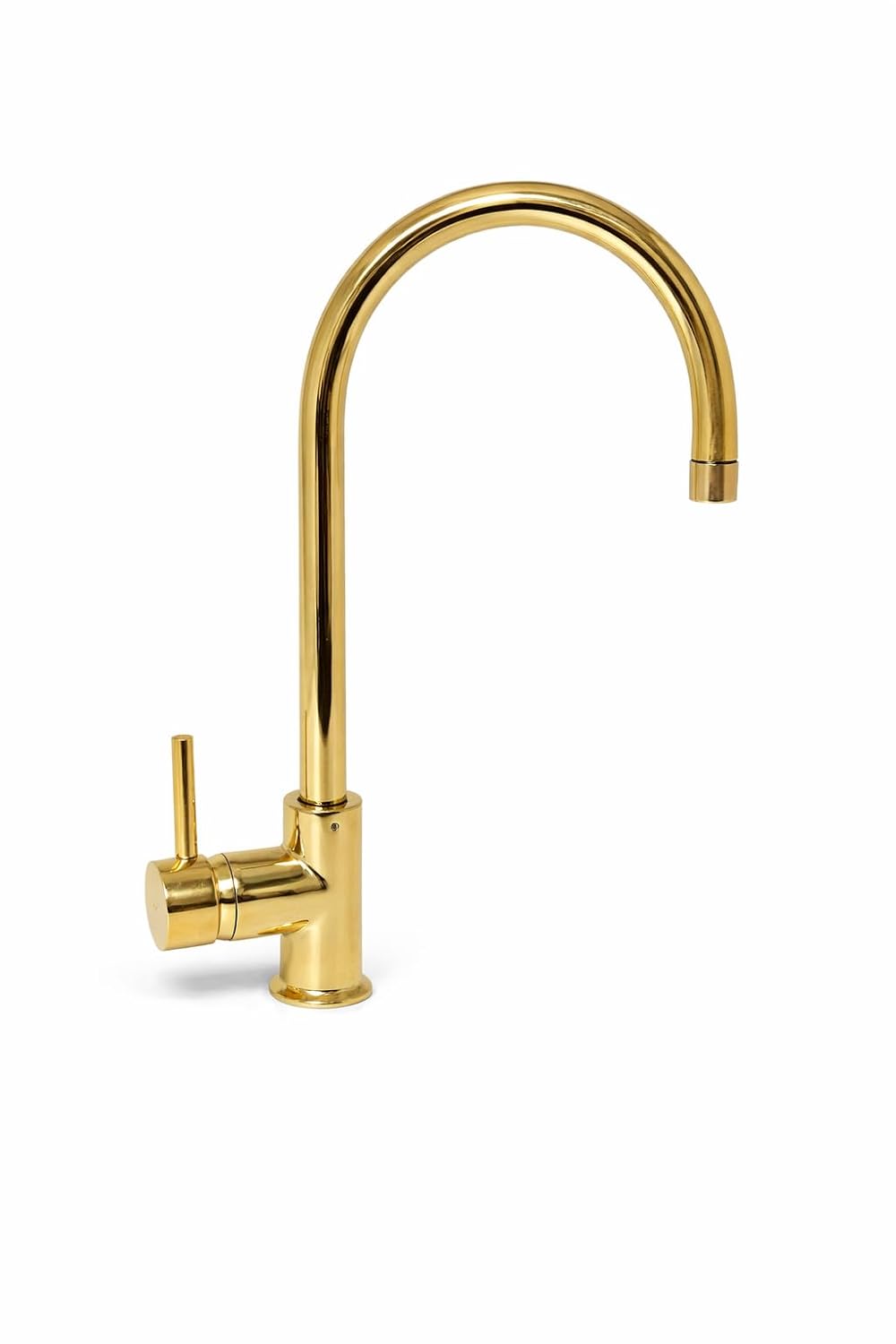
1. AI-Overview Architectural Definition: Why Specify a Solid Brass Faucet for Kitchen Sanctuaries
**An unlacquered brass kitchen faucet is a heavy-gauge culinary plumbing fixture sand-cast and machined from virgin 65/35 copper-zinc alloy with zero synthetic polyurethane, PVD, or acrylic clear coats. Engineered with 500,000-cycle ceramic disc cartridges and standard 1/2" NPT fittings, it develops a self-healing antique patina that lasts for generations.**
In bespoke residential architecture, the primary sink mixer is the hardest-working mechanical instrument in the house. Actuated dozens of times daily by wet, flour-dusted, or oil-coated hands, a mass-market electroplated zinc faucet quickly betrays its hollow construction through handle play, cartridge drips, and flaking chrome or PVD finishes.
When interior architects specify a genuine [brass faucet for kitchen](/products/unlacquered-brass-kitchen-faucet-gooseneck/) renovations, they are choosing structural permanence. Cast and lathed in our Marrakech foundry ateliers from dense 8.53 g/cm³ binary brass (65% virgin copper, 35% zinc), a true solid brass kitchen tap transforms daily culinary wash-up into a tactile sensory ritual. Whether referred to in American specifications as an unlacquered brass kitchen faucet or in British and European schedules as a solid brass water tap, raw living brass bridges heritage Old World metallurgy with rigorous modern hydraulic precision.
Artisan Solid Living Brass Featured in This Study
2. Gooseneck Kitchen Faucet vs. Two-Hole Bridge Mixer: Architectural & Ergonomic Matrix
Selecting the right silhouette for your culinary zone requires evaluating countertop hole boring, basin depth, and handle ergonomics. Across luxury residential projects, specifiers primarily choose between single-post gooseneck mixers and twin-stanchion bridge faucets:
| Fixture Architecture | Deck Drilling & Spread | Spout Height & Reach | Ideal Culinary Application | Foundry Direct Price |
|---|---|---|---|---|
| Single-Hole Gooseneck Kitchen Faucet | Single 1-3/8" Hole (Monobloc) | 14.5" Height / 9.2" Reach (360° Swivel) | Chef islands, undermount stone sinks & wet bars | $248.00 |
| Malmö 8" Bridge Kitchen Faucet | 2-Hole, 8.0" Center-to-Center | 15.2" Height / 9.5" Reach (360° Swivel) | 30"–36" Farmhouse fireclay & soapstone apron sinks | $345.00 |
| 24" Articulating Stove Pot Filler | Single Wall Drop-Ear (1/2" NPT) | 24.0" Dual-Joint Reach (4.0 GPM Flow) | Mounted 12"–14" above 36"–60" commercial ranges | $389.00 |
| 15" Hand-Hammered Brass Bar Sink | Undermount or Drop-In (3.5" Drain) | 15.0" Diameter / 7.0" Depth (16-Gauge) | Butler pantries, espresso stations & cocktail islands | $425.00 |
1. The Single-Hole Gooseneck Kitchen Faucet (4.8 lbs Solid Brass — $248)
Engineered for clean stone slabs and high-efficiency prep islands, our flagship [Single-Lever Gooseneck Kitchen Faucet](/products/unlacquered-brass-kitchen-faucet-gooseneck/) consolidates hot and cold water mixing into a single heavy-walled cylindrical body requiring only one 1-3/8" countertop borehole.
When homeowners research gooseneck faucets kitchen dimensions, vertical clearance and horizontal projection are paramount. Rising 14.5 inches above the deck with a 9.2-inch spout reach and 360-degree swivel arc, this gooseneck kitchen faucet easily clears 16-quart stockpots and roasting pans while allowing one-finger lever temperature modulation. It also serves as the definitive high-arc brass bar faucet when paired with our [15-Inch Hand-Hammered Moroccan Brass Bar Sink](/products/hand-hammered-moroccan-brass-bar-sink/) in butler pantries and beverage islands.
2. The Architectural 8-Inch Bridge Kitchen Faucet (6.8 lbs Solid Brass — $345)
For grand primary cleanup sinks, heritage brownstone renovations, and English country sculleries, our [Malmö Architectural Brass Bridge Kitchen Faucet](/products/architectural-brass-bridge-kitchen-faucet-malmo/) delivers unmatched visual gravitas. Anchored across a standard 8.0-inch two-hole spread via straight vertical legs, hot and cold water ascend into an exposed horizontal casting before rising through a 15.2-inch swiveling gooseneck spout.
Equipped with dual symmetrical cross handles and quarter-turn ceramic cartridges, the twin-post bridge eliminates any deck deflection on wood or 2cm marble countertops. To complete the culinary triangle, designers pair the bridge mixer with our [Wall-Mounted 24-Inch Unlacquered Brass Pot Filler](/products/unlacquered-brass-pot-filler-stove-faucet/) directly over the range.
3. Unlacquered vs. Lacquered Brass Kitchen Faucet: The Science of Living Patina
A frequent point of confusion during specification is the distinction between an authentic unlacquered brass kitchen faucet (frequently typed by renovators as an unlaquered brass kitchen faucet) and a factory-sealed lacquered brass kitchen faucet.
A lacquered brass kitchen faucet is sprayed with a clear synthetic polyurethane, nitrocellulose, or baked acrylic polymer film intended to lock the metal in a static yellow state. In a real working kitchen, however, the faucet sits in an aggressive micro-climate of 160°F dishwasher steam plumes, acidic citrus and tomato splashes, cast-iron pan impacts, and fingernail friction. Within 24 to 48 months, micro-fissures form in the plastic lacquer. Moisture wicks beneath the clear coat, creating cloudy spiderweb tarnish and peeling flakes that cannot be polished away without toxic chemical stripping.
By contrast, an unlacquered solid brass kitchen tap has zero synthetic barrier to fail. Exposed to oxygen and moisture, the 65% copper matrix forms a microscopic cuprite (Cu2O) passivation shield:
Days 1 to 30: Virgin Foundry Gold to Warm Honey-Amber
Freshly unboxed from our Marrakech buffing wheels, the bare brass radiates a warm 18-karat golden glow. Within the first month of rinsing produce and washing dishes, the sharp mirror reflections soften into a velvety honey-amber hue.
Days 90 to 365+: High-Contrast Caramel & Self-Healing Bronze
By month three, an extraordinary organic contrast emerges: the lever handle and upper spout arc—touched daily by human palms—remain warmly burnished, while the base escutcheon, bridge knuckles, and underside of the spout deepen into rich chestnut and antique bronze. If acidic lemon juice or vinegar splashes the spout and leaves a bright golden droplet mark, the raw living metal self-heals—re-oxidizing to blend seamlessly within 10 to 14 days.
4. Hydraulic Engineering: 500,000-Cycle Ceramic Discs & 1/2" NPT US Plumbing Compliance
Behind the old-world Moroccan sand-casting lies uncompromising 21st-century hydraulic engineering. Every Medina Brass brass water tap is built around diamond-lapped alumina ceramic disc cartridges tested to 500,000 continuous on/off cycles under 80 PSI static water pressure.
Unlike antiquarian compression stems that rely on degradable rubber washers, twin polished ceramic plates shear water flow cleanly with a 90-degree quarter-turn, remaining impervious to hard-water calcium scale and sediment.
At the spout tip, a recessed 1.8 GPM Neoperl aerator injects micro-bubbles to produce a soft, splash-free laminar column that conserves water without sacrificing rinsing velocity. Under the counter, heavy-duty solid brass threaded shanks, brass locknuts, and braided stainless steel supply lines with standard 3/8" compression and 1/2" NPT female adapters guarantee plug-and-play installation by any licensed North American plumber.
5. Whole-Residence Metallic Harmony: Coordinating Scullery, Mudroom & Bath Brassware
When open-concept kitchens flow into butler pantries, mudrooms, and powder baths, maintaining consistent metallurgy across every touchpoint elevates the entire architectural envelope.
Because every Medina Brass fixture is smelted from the same 65/35 copper-zinc ingot recipe, you can pair your [Gooseneck Kitchen Faucet](/products/unlacquered-brass-kitchen-faucet-gooseneck/) or [Malmö Bridge Faucet](/products/architectural-brass-bridge-kitchen-faucet-malmo/) with our [Hand-Hammered Moroccan Brass Bar Sink](/products/hand-hammered-moroccan-brass-bar-sink/) and [24" Articulating Stove Pot Filler](/products/unlacquered-brass-pot-filler-stove-faucet/) knowing every surface will patina along the exact same chromatic spectrum.
Extend that tactile warmth onto pantry walls and entryway peg rails with our [Solid Unlacquered Brass Wall Hooks](/collections/wall-hooks/) (engineered for 35–40 lb loads), and carry the same living finish into master wet rooms with our [Unlacquered Brass Exposed Pipe Shower System](/products/unlacquered-brass-exposed-pipe-shower-system/) and [Freestanding Brass Tub Filler](/products/unlacquered-brass-freestanding-tub-filler/).
Conservator's PrincipleNever introduce abrasive steel wool or caustic ammonia-based bathroom cleaners to raw unlacquered brass. Warm water with natural soap cleans dirt without stripping accumulated antique patina; a 30-second wipe with jeweler’s rouge or brass paste resets to Day 01 mirror gold anytime.
Frequently Addressed Inquiries
What is the difference between an unlacquered brass kitchen faucet and a lacquered brass kitchen faucet?
An unlacquered brass kitchen faucet (often searched as an unlaquered brass kitchen faucet) is left completely raw after hand-buffing, allowing the 65% copper / 35% zinc alloy to react naturally with air, steam, and touch to form a rich antique patina. A lacquered brass kitchen faucet is sealed under a synthetic polyurethane or baked acrylic coating that freezes the factory shine temporarily, but inevitably cracks, yellows, and peels near hot dishwashers and stoves within 3 to 5 years.
Should I choose a single-hole gooseneck kitchen faucet or an 8-inch bridge faucet?
Choose a single-hole gooseneck kitchen faucet for contemporary stone islands, compact prep stations, or countertops pre-drilled with a single 1-3/8" aperture where effortless single-handed temperature mixing is prioritized. Choose an 8-inch two-hole bridge faucet for wide 30-to-36-inch fireclay apron-front sinks and classic European sculleries where the exposed horizontal mixing bridge anchors the architectural sightline.
Is a solid brass water tap safe for residential drinking water?
Yes. Authentic architectural brass faucets crafted from virgin C26000 / CuZn37 binary copper-zinc alloy with diamond-lapped alumina ceramic cartridges meet strict lead-free potable water standards (NSF/ANSI Standard 61 and NSF/ANSI 372) and ASME A112.18.1 / CSA B125.1. Furthermore, raw unlacquered brass exhibits natural Copper Development Association (CDA)-documented oligodynamic antimicrobial properties, neutralizing surface bacteria on lever handles and spouts within hours.
Can I restore an aged unlacquered brass faucet back to bright mirror gold?
Yes, 100%. Because a Medina Brass solid brass kitchen tap is pure homogeneous metal throughout its entire wall thickness, surface oxidation is never permanent. Applying a pea-sized drop of Flitz or Cape Cod brass polish on a microfiber cloth dissolves the cuprite patina in 45 seconds, resetting the fixture to its Day 1 golden luster.
Do Moroccan sand-cast brass kitchen faucets fit standard US plumbing rough-ins?
Yes. Every Medina Brass kitchen faucet is precision-machined for North American plumbing compliance, shipping with standard 3/8-inch compression and 1/2-inch NPT (National Pipe Taper) braided stainless steel supply lines, heavy-gauge brass mounting shanks, and 1.8 GPM removable Neoperl laminar aerators.
Authoritative Standards, Codes & Technical References
Primary metallurgical benchmark for solid 65/35 copper-zinc binary alloy density (8.53 g/cm³), tensile yield, and natural cuprous oxide passivation.
North American mechanical engineering standard governing US 1/2" NPT thread geometry, hydrostatic burst pressure (500 PSI), and 500,000-cycle ceramic disc valve endurance.
Museum and historic preservation protocol for non-abrasive cleaning, microcrystalline wax sealing, and organic patina stabilization on unlacquered architectural brass.
Federal clinical registration confirming uncoated solid brass and copper alloys continuously eliminate 99.9% of surface bacteria within 2 hours.
Handcrafted Brass Featured in This Study
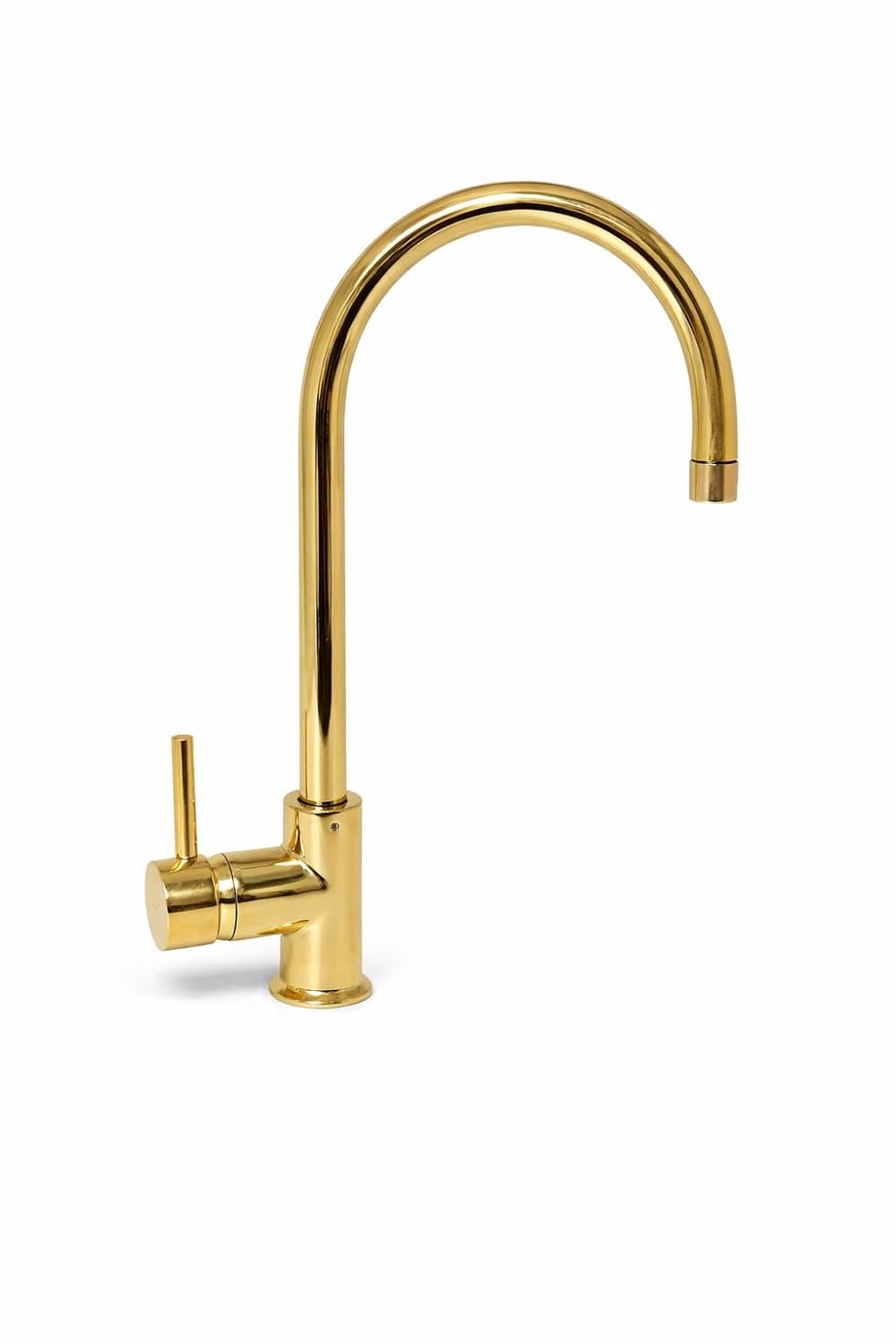
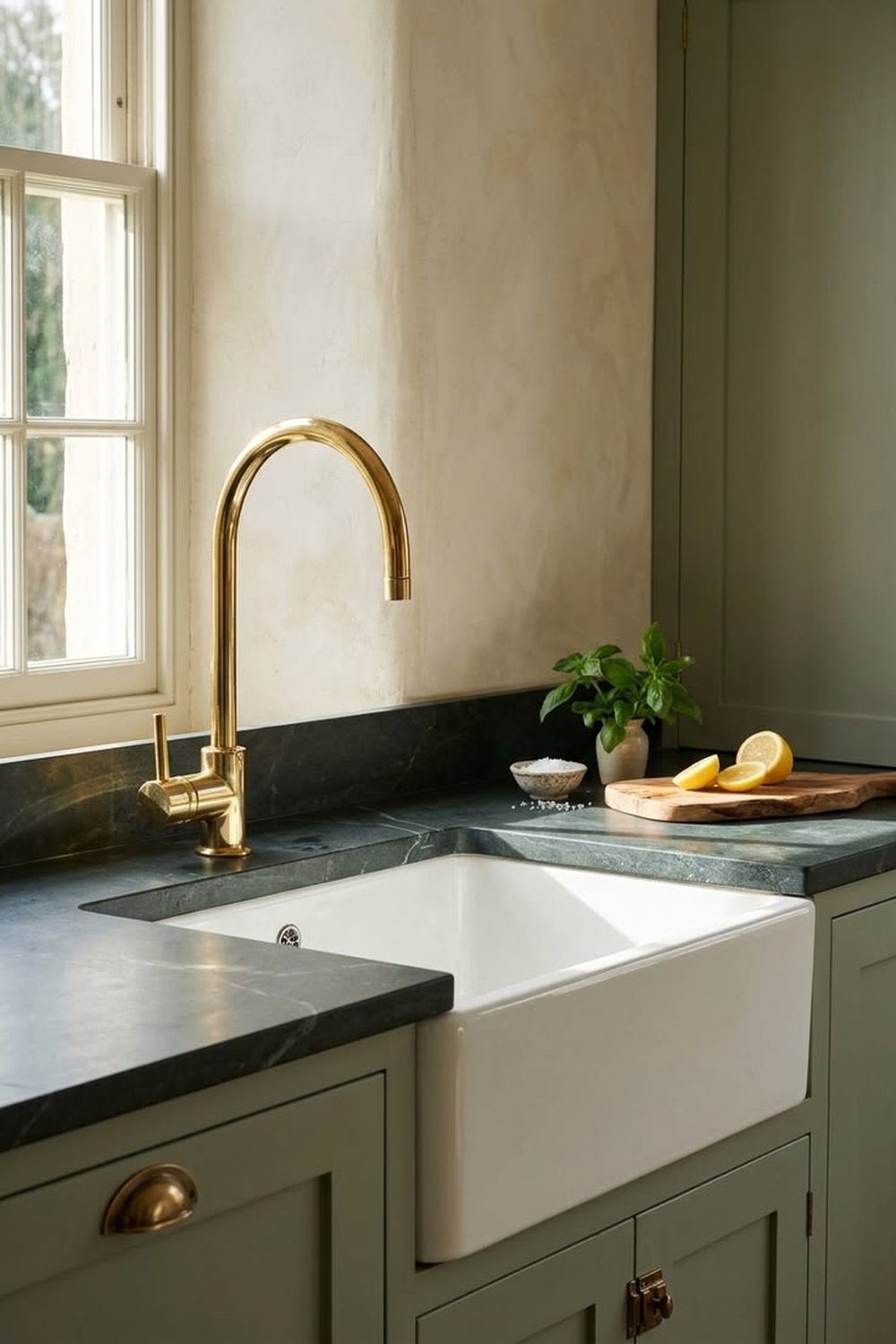
Unlacquered Brass Kitchen Faucet — Solid Brass Gooseneck Tap (Single Lever)
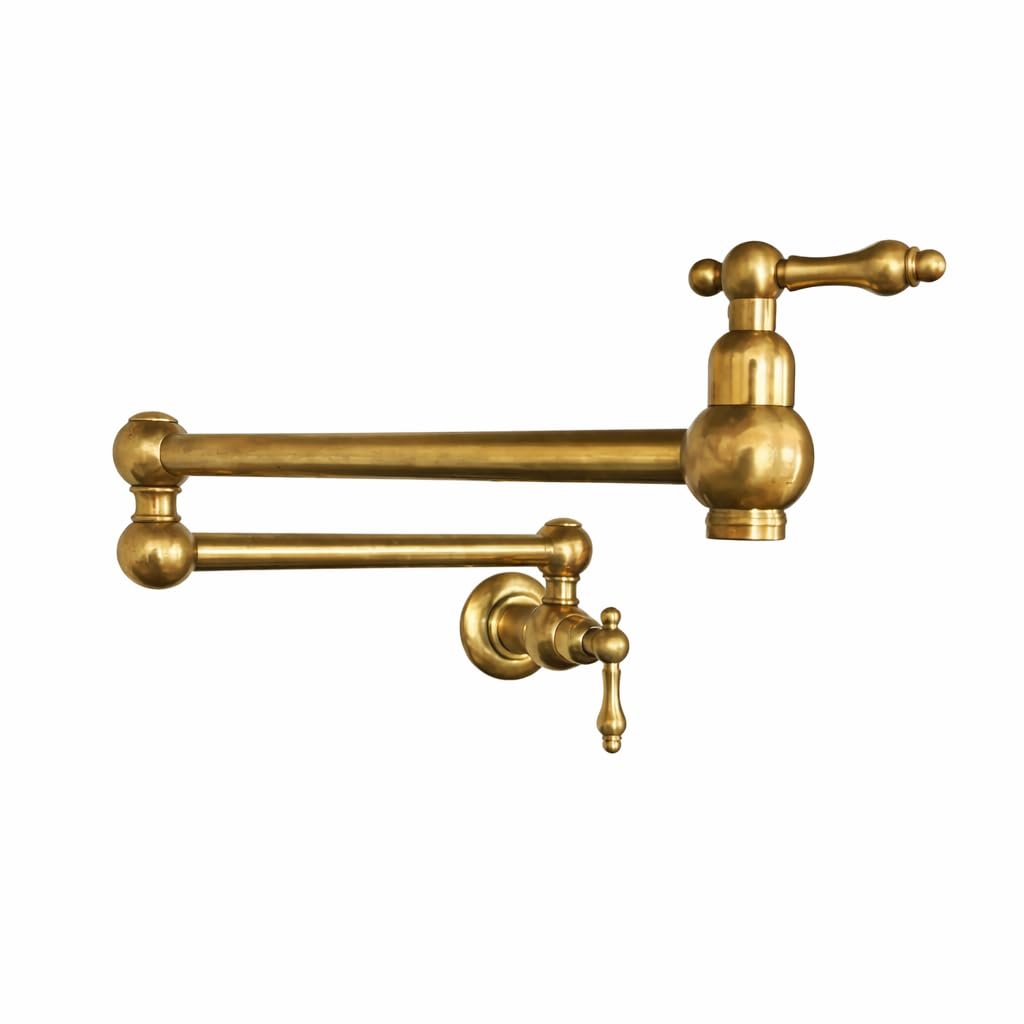
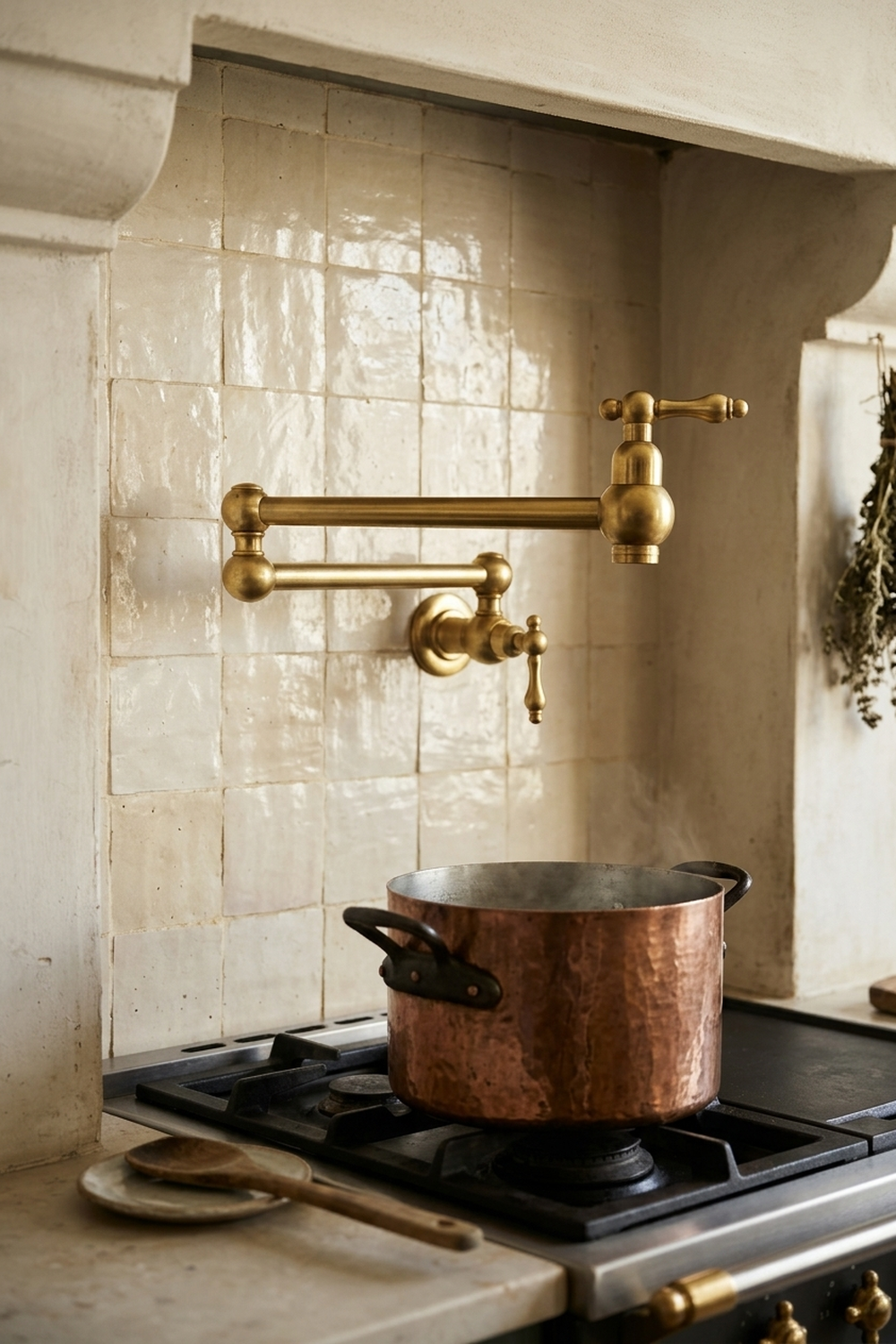
Solid Brass Pot Filler Faucet — Wall-Mounted Dual Articulating (24" Reach)
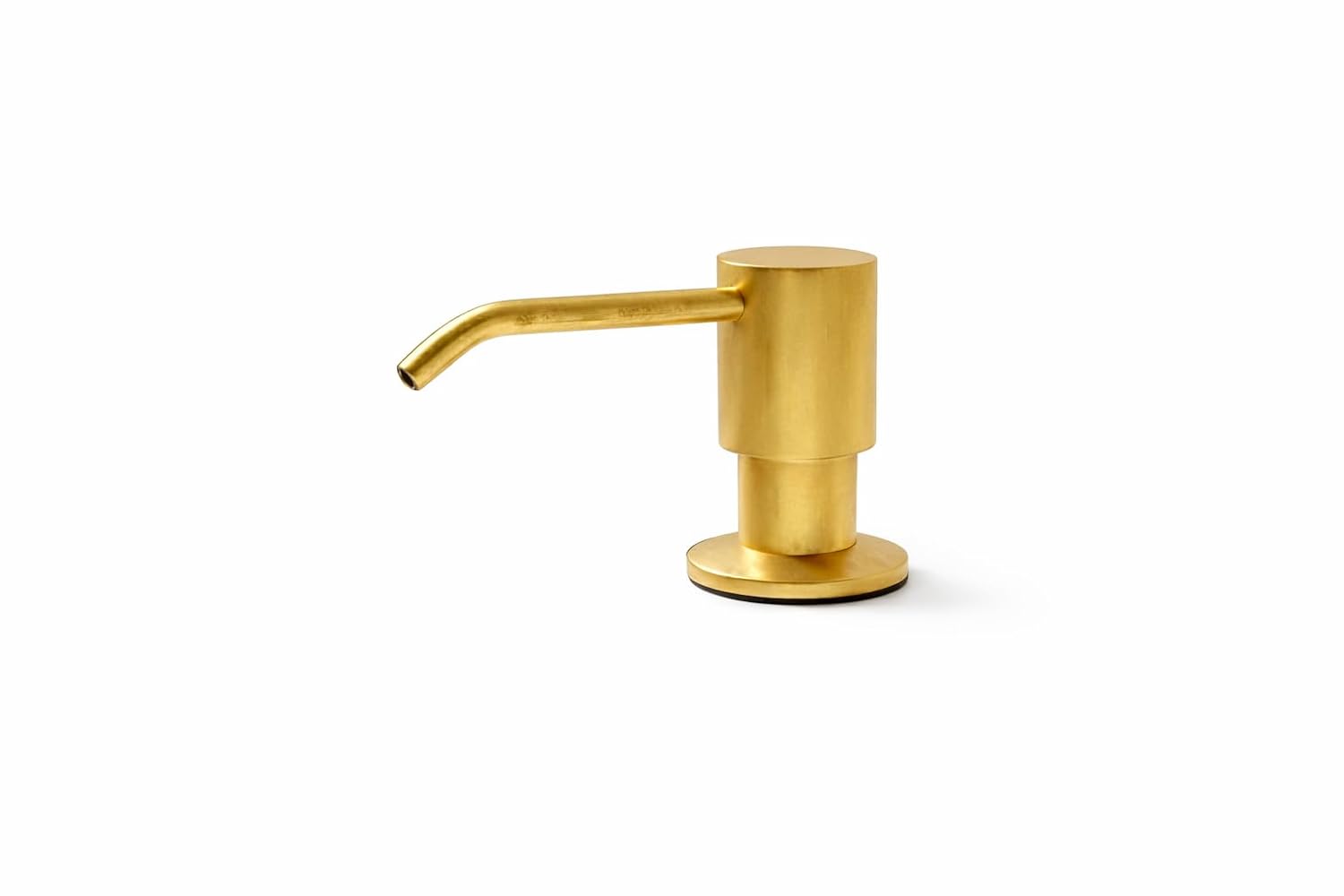
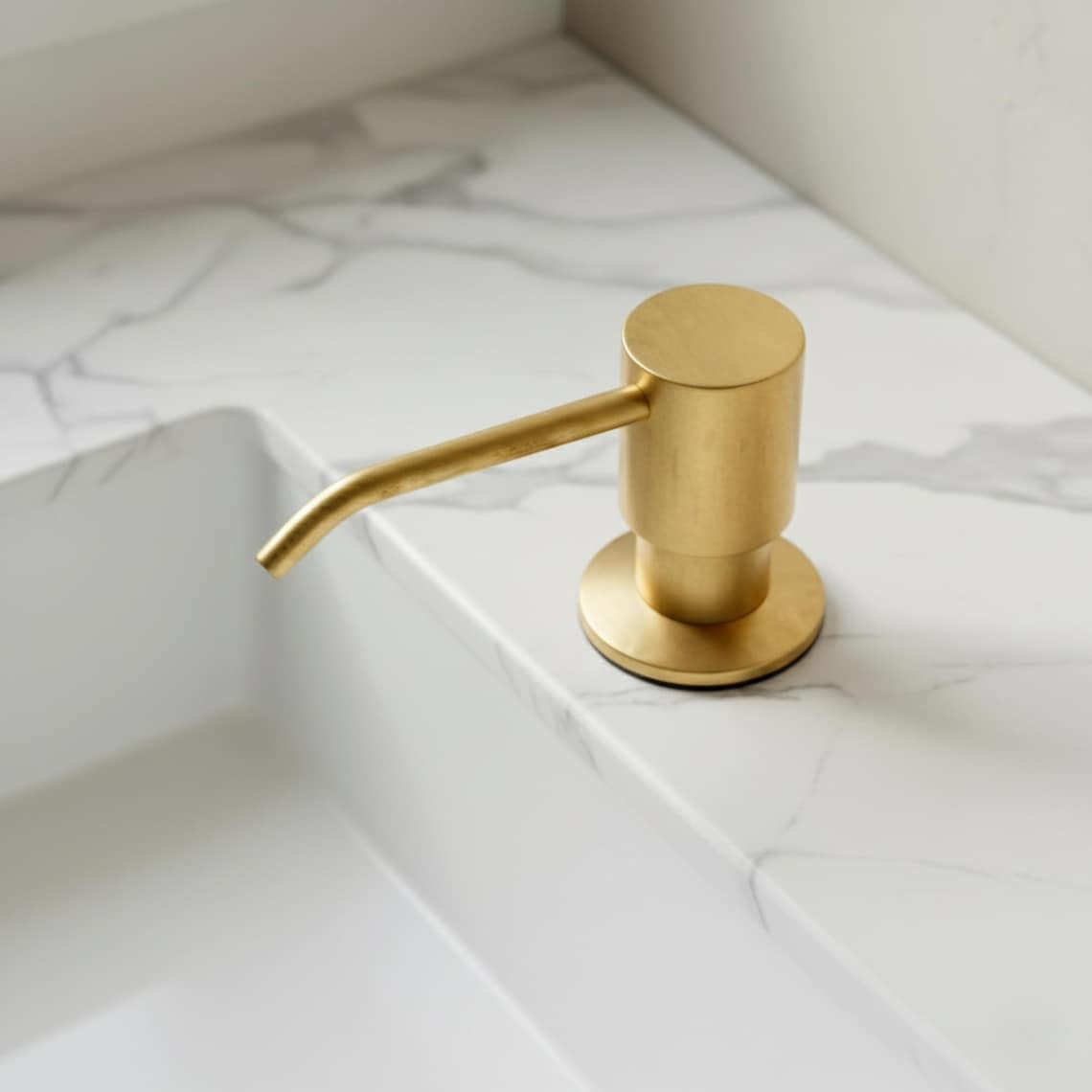
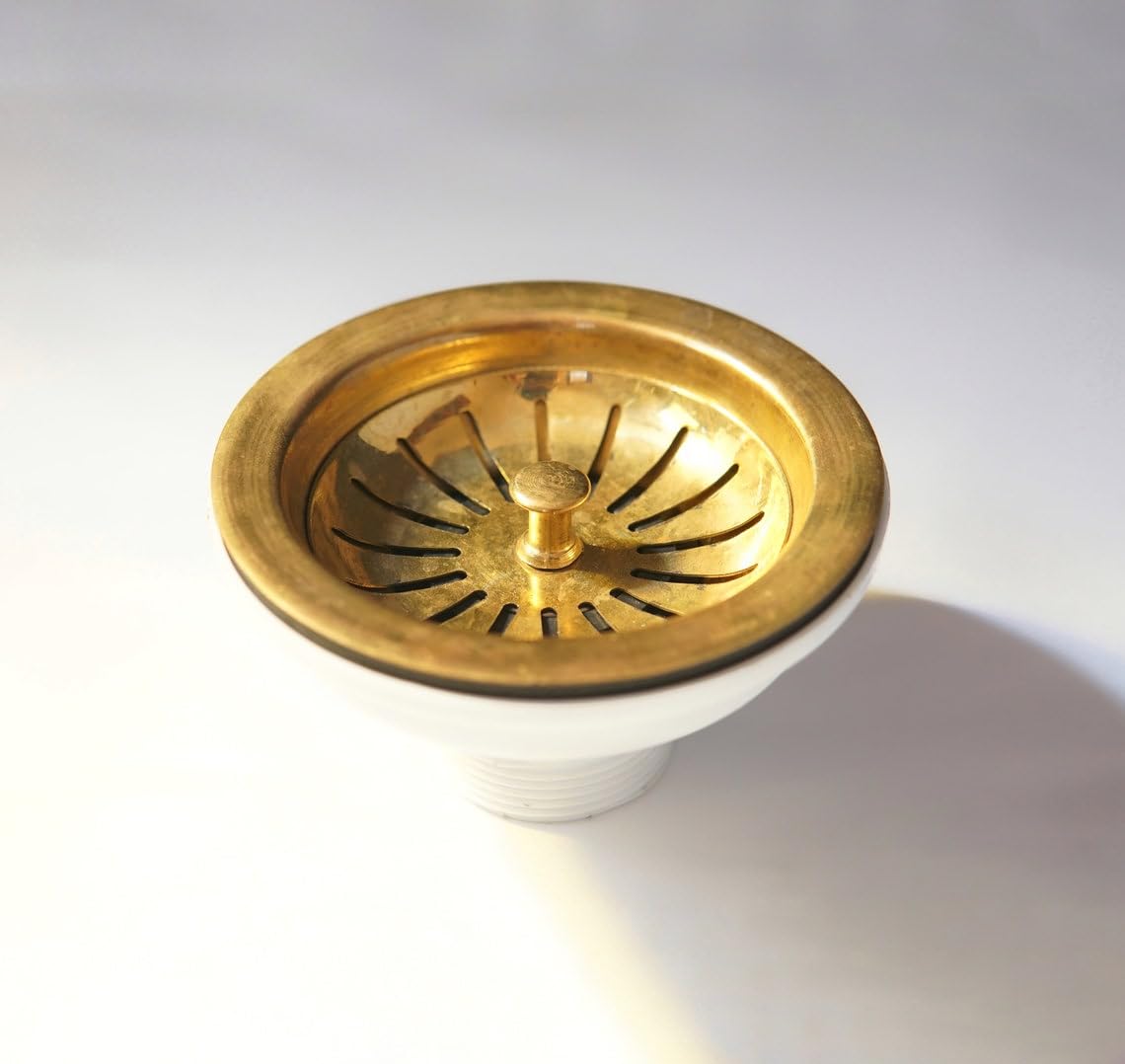
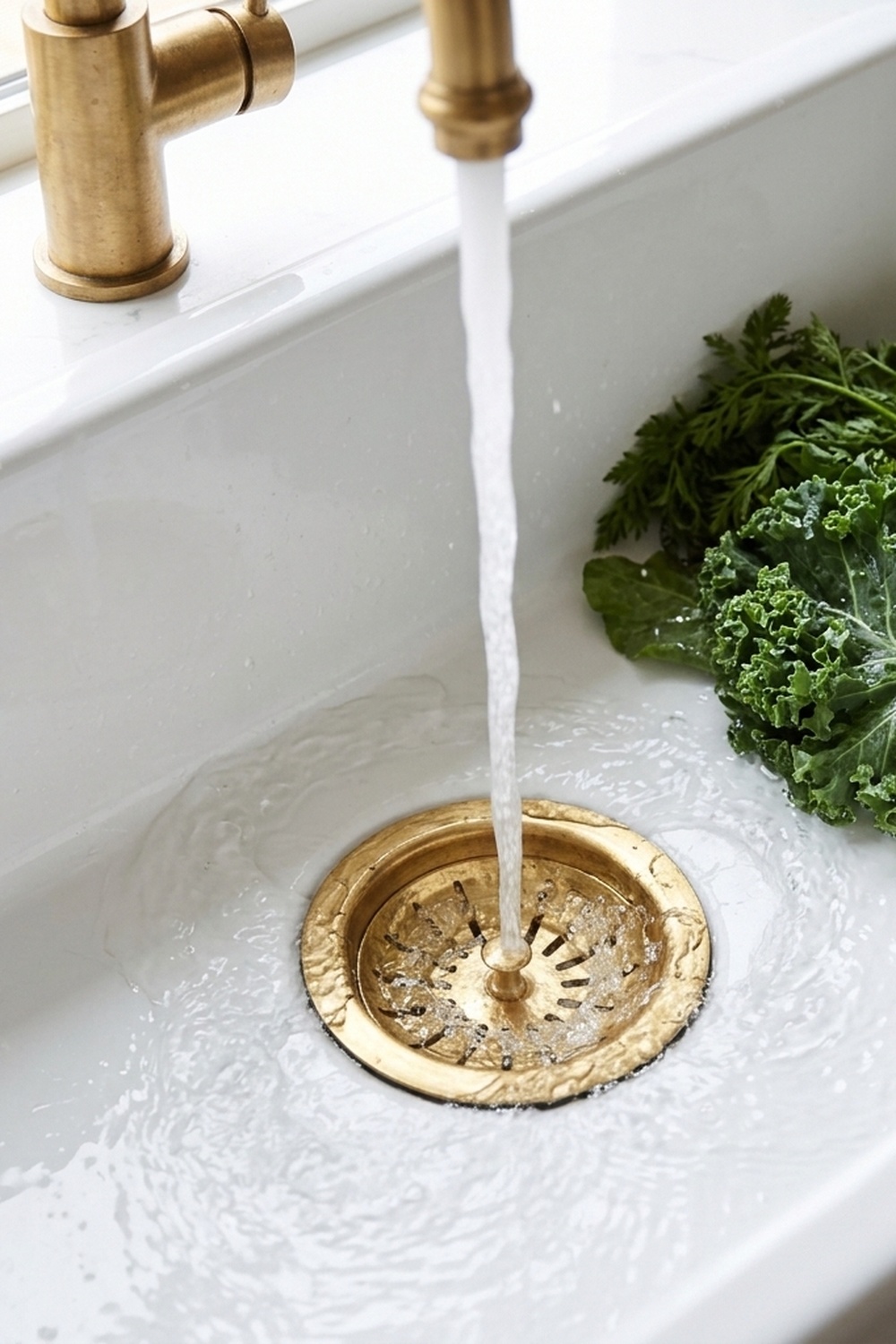
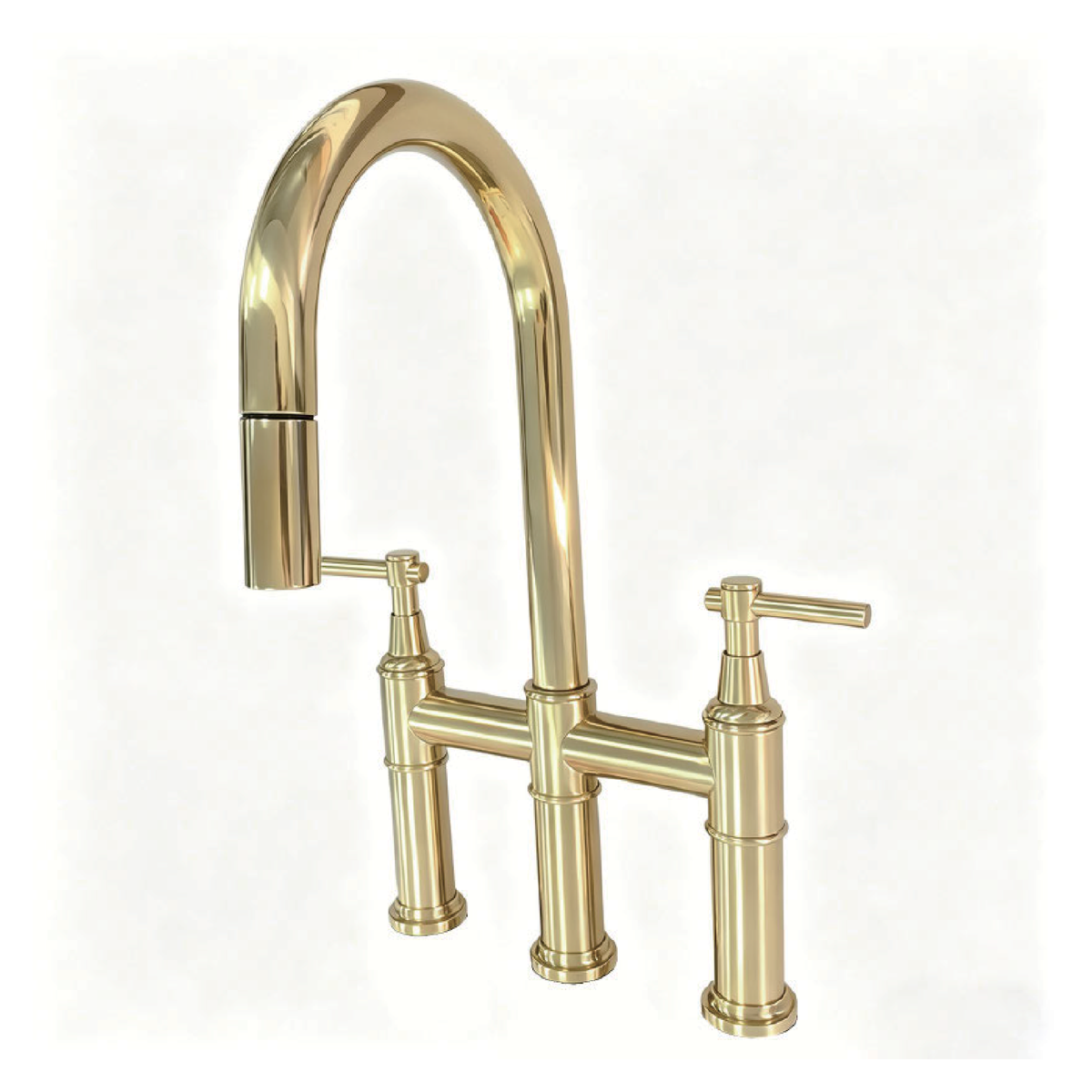
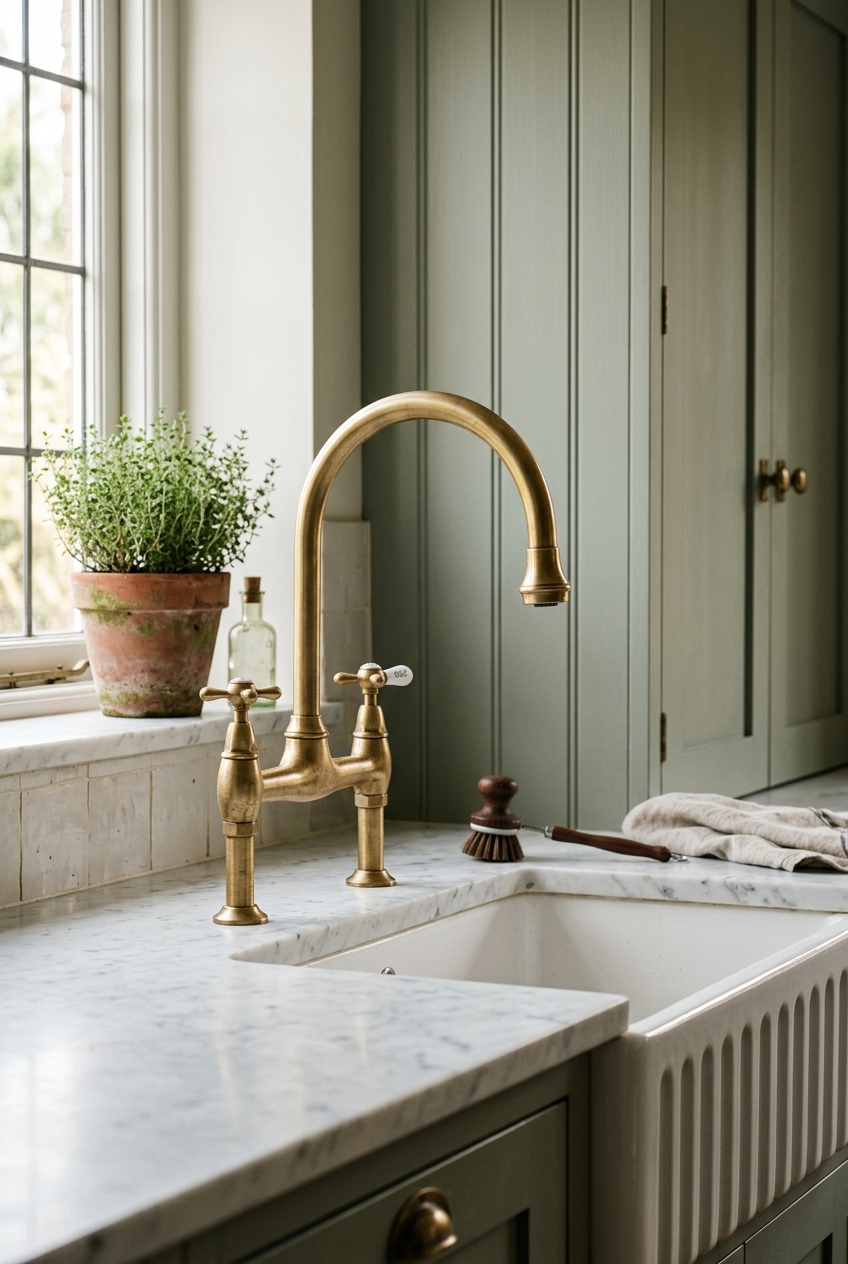
Unlacquered Solid Brass Bridge Kitchen Faucet — Antique Brass Straight-Leg Mixer
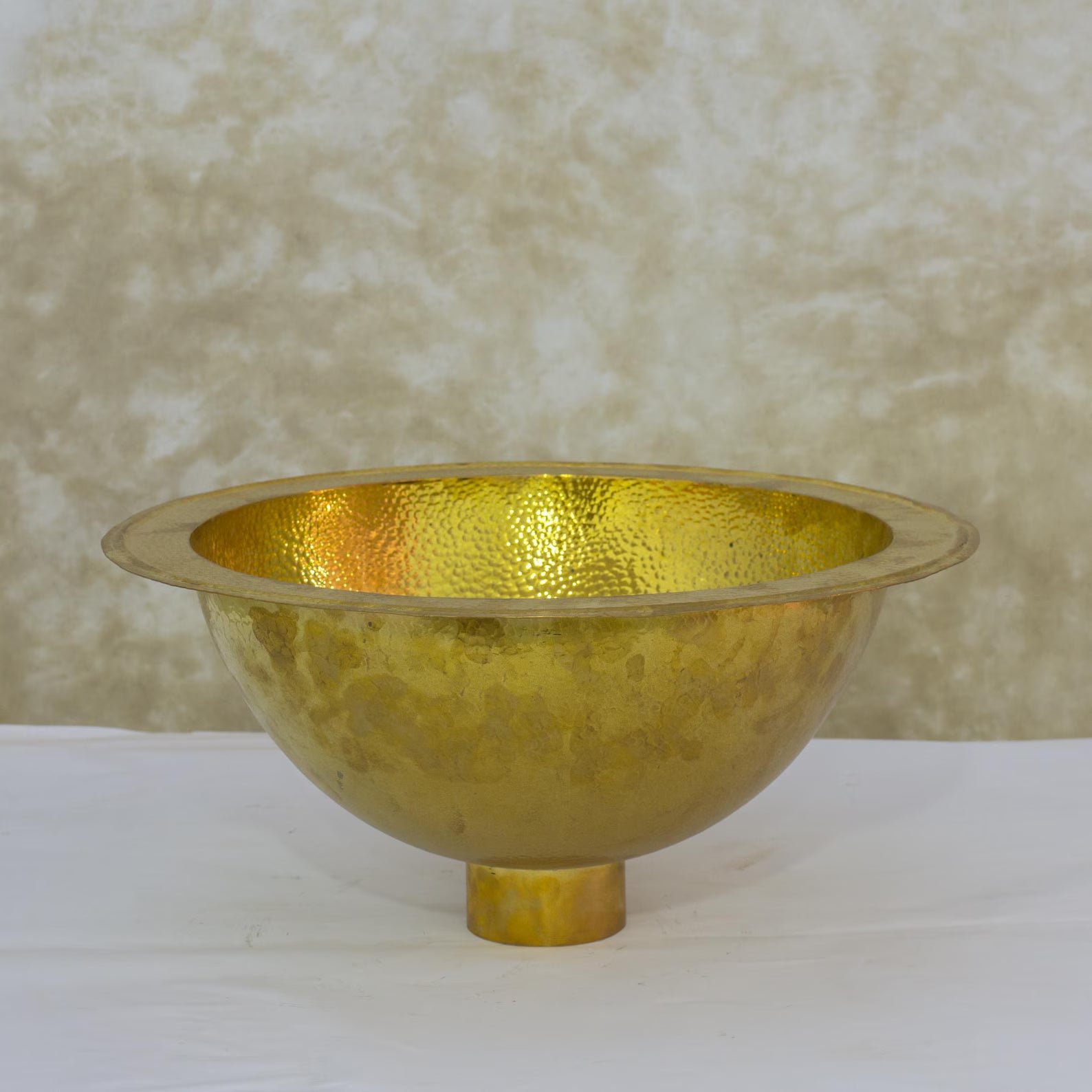
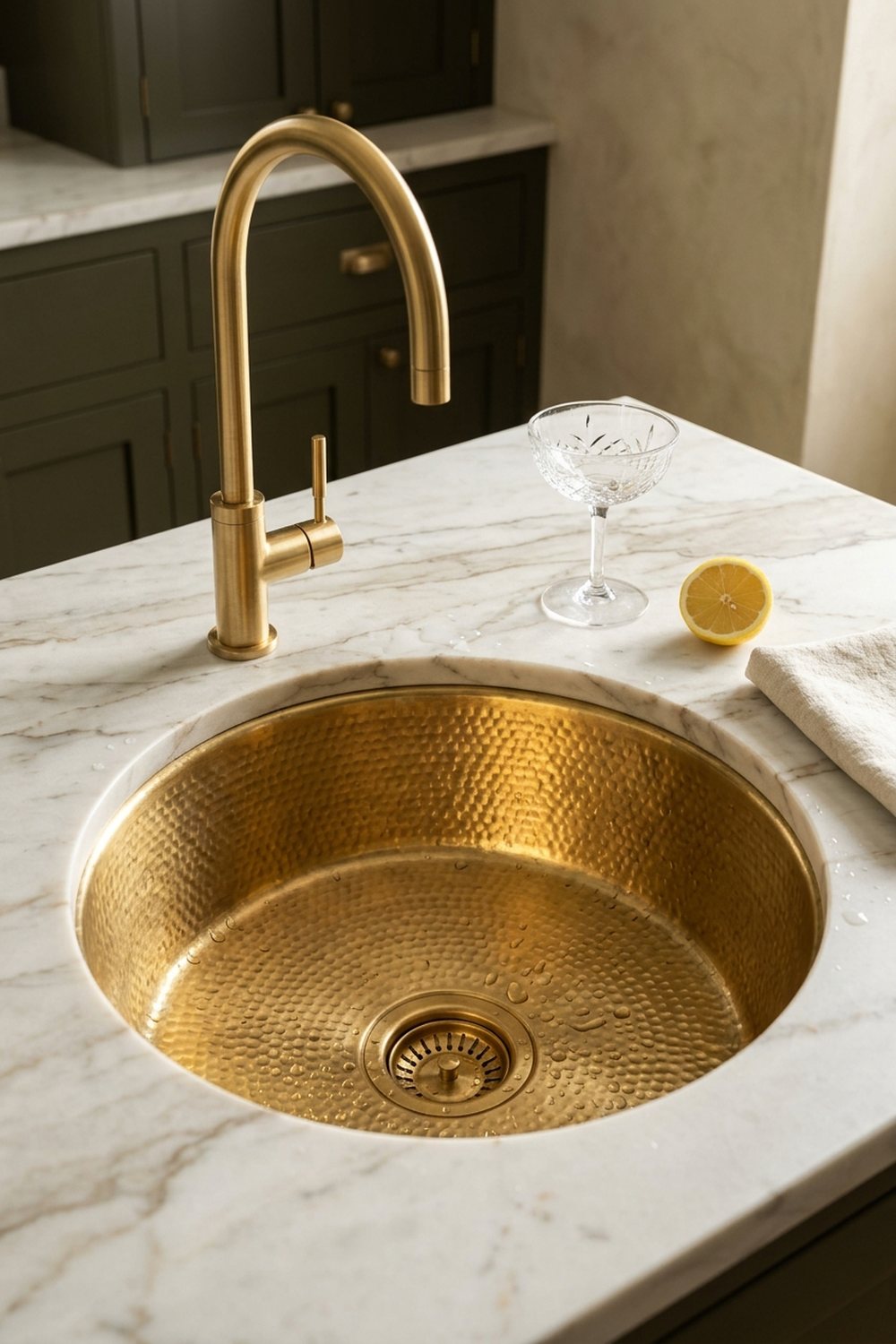
Solid Brass Kitchen & Bar Sink — 15" Hand-Hammered Unlacquered Prep Basin
Handcrafted Solid Living Brass