Moroccan Brass Kitchen Faucets: The Marrakech Foundry Buyer's Guide
An authentic Moroccan brass kitchen faucet is a heavy monolithic culinary fitting sand-cast from virgin binary 65/35 copper-zinc ingot in Marrakech without synthetic lacquers. Machined with standard US 1/2" NPT threads and 500k-cycle ceramic disc cartridges, it delivers showroom metallurgy directly from the foundry.
Shop Featured Solid Unlacquered Brass Fixtures From This Study
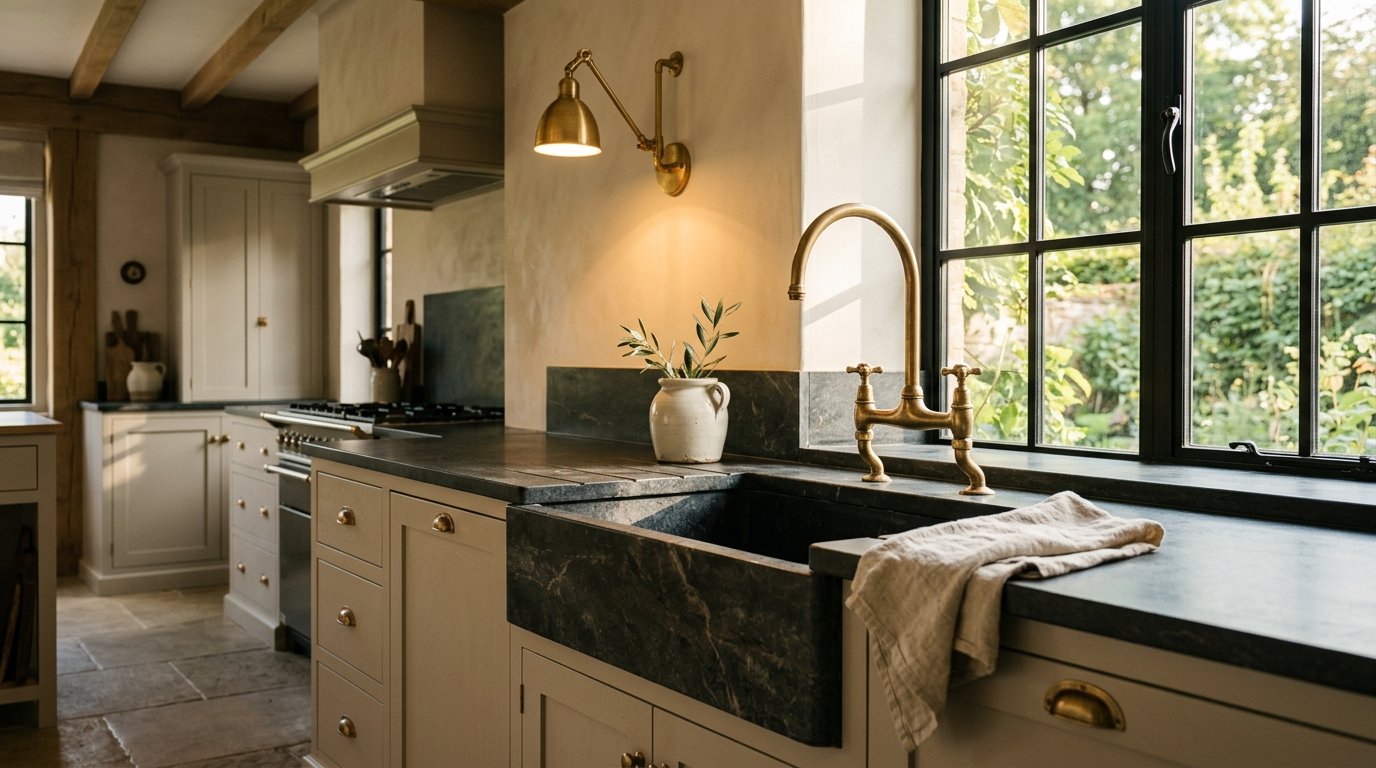
1. The Marrakech Sand-Casting Heritage vs. Stamped Die-Cast Imports
In the historic artisanal foundries of Marrakech, brass is not stamped out by automated assembly lines. It begins with molten binary 65/35 virgin brass ingots heated to 1,700°F (925°C) and poured by hand into custom compacted sand molds.
Sand casting imparts a distinct structural density (8.40 to 8.73 g/cm³) and heavy monolithic wall thickness that mass-market fixtures cannot replicate. Weighing up to 9 lbs, an authentic Moroccan brass faucet dampens water velocity noise, resists plumbing pressure surges up to 80 PSI, and feels exceptionally substantial under daily touch.
Artisan Solid Living Brass Featured in This Study
2. The Science of the Living Patina: Day 01 to Year 01
The defining hallmark of authentic Moroccan kitchen brassware is the living finish. Because the virgin copper-zinc alloy receives zero synthetic clear coats or chemical lacquers, the metal reacts organically to atmospheric oxygen, culinary moisture, and human touch.
On Day 01, the fixture displays a brilliant, hand-buffed golden mirror luster. Within 30 to 90 days, high-touch areas (the lever handle and spout arc) maintain a bright burnished gold, while recessed curves deepen into warm amber. By Month 06 to Year 01, it achieves a generational antique bronze finish that is completely self-healing against minor contact scuffs.
3. Plumbing Code Compliance & Technical Standards
A frequent concern among interior architects and general contractors is whether imported Moroccan fixtures comply with North American residential plumbing codes. Medina Brass eliminates this uncertainty entirely by machining all fixtures to strict US engineering standards.
All bridge mixers, single-lever goosenecks, and pot fillers feature standard US 1/2" NPT threaded inlets, 3/8" compression supply risers, and commercial-grade European ceramic disc cartridges tested to 500,000 drip-free cycles. For complete inspector documentation and lead-free alloy analyses, review our US Plumbing Compliance Manual.
4. Architectural Sink & Countertop Pairing Guide
Selecting a Moroccan brass faucet transforms the culinary workspace into an architectural statement. For traditional English country or European farmhouse sculleries, pair an 8-inch bridge mixer (such as Model MB-KBF-009 or the Malmo Bridge) with a 30" to 36" white fireclay apron sink.
For contemporary chef islands and prep sculleries, a high-arc single-lever gooseneck (Model amz-faucet-01) or modern culinary pull-down (MB-CUL-011) paired with our 15-inch hand-hammered Moroccan brass bar sink creates a cohesive, naturally antimicrobial beverage and culinary station.
Conservator's PrincipleNever introduce abrasive steel wool or caustic ammonia-based bathroom cleaners to raw unlacquered brass. Warm water with natural soap cleans dirt without stripping accumulated antique patina; a 30-second wipe with jeweler’s rouge or brass paste resets to Day 01 mirror gold anytime.
Frequently Addressed Inquiries
Will a Moroccan brass kitchen faucet connect to standard American plumbing?
Yes, 100%. While the exterior body and spouts celebrate timeless Moroccan sand-cast heritage, every internal waterway, shank thread, and riser connection is precision-machined to standard US 1/2" NPT and 3/8" compression standards. It connects directly to North American angle stops in 20 minutes without metric adapters.
Does an authentic Moroccan brass faucet require sealing or lacquer?
No. Synthetic lacquers are the primary failure point of mass-market faucets, cracking and yellowing under hot water steam. Authentic Moroccan brass is left raw and unsealed. It breathes naturally with oxygen and moisture, gradually transitioning from brilliant golden luster into a warm honey-amber and rich antique bronze living patina.
How do you clean and maintain an unlacquered Moroccan brass kitchen faucet?
Routine care requires only a quick wipe with warm water and a soft microfiber cloth after cooking. Acidic spills (lemon juice, vinegar, wine) will temporarily brighten contact spots; simply allow the natural patina to re-level itself over several weeks. To restore day-one mirror gold at any time, buff for 30 seconds with Cape Cod or Flitz brass polish.
What sink styles pair best with a Moroccan brass kitchen faucet?
Moroccan brass faucets pair exceptionally well with fireclay farmhouse apron sinks, honed soapstone slabs, deep undermount marble basins, and our 15-inch hand-hammered Moroccan brass prep basins for synchronized living metal aging.
Authoritative Standards, Codes & Technical References
Primary metallurgical benchmark for solid 65/35 copper-zinc binary alloy density (8.53 g/cm³), tensile yield, and natural cuprous oxide passivation.
North American mechanical engineering standard governing US 1/2" NPT thread geometry, hydrostatic burst pressure (500 PSI), and 500,000-cycle ceramic disc valve endurance.
Cultural heritage documentation of traditional Marrakech foundry sand-casting, hand-chiseled engraving, and Moroccan architectural arts.
Industrial specification governing sand-cast brass wall thickness, porosity testing, and alloy chemical composition.
Handcrafted Brass Featured in This Study
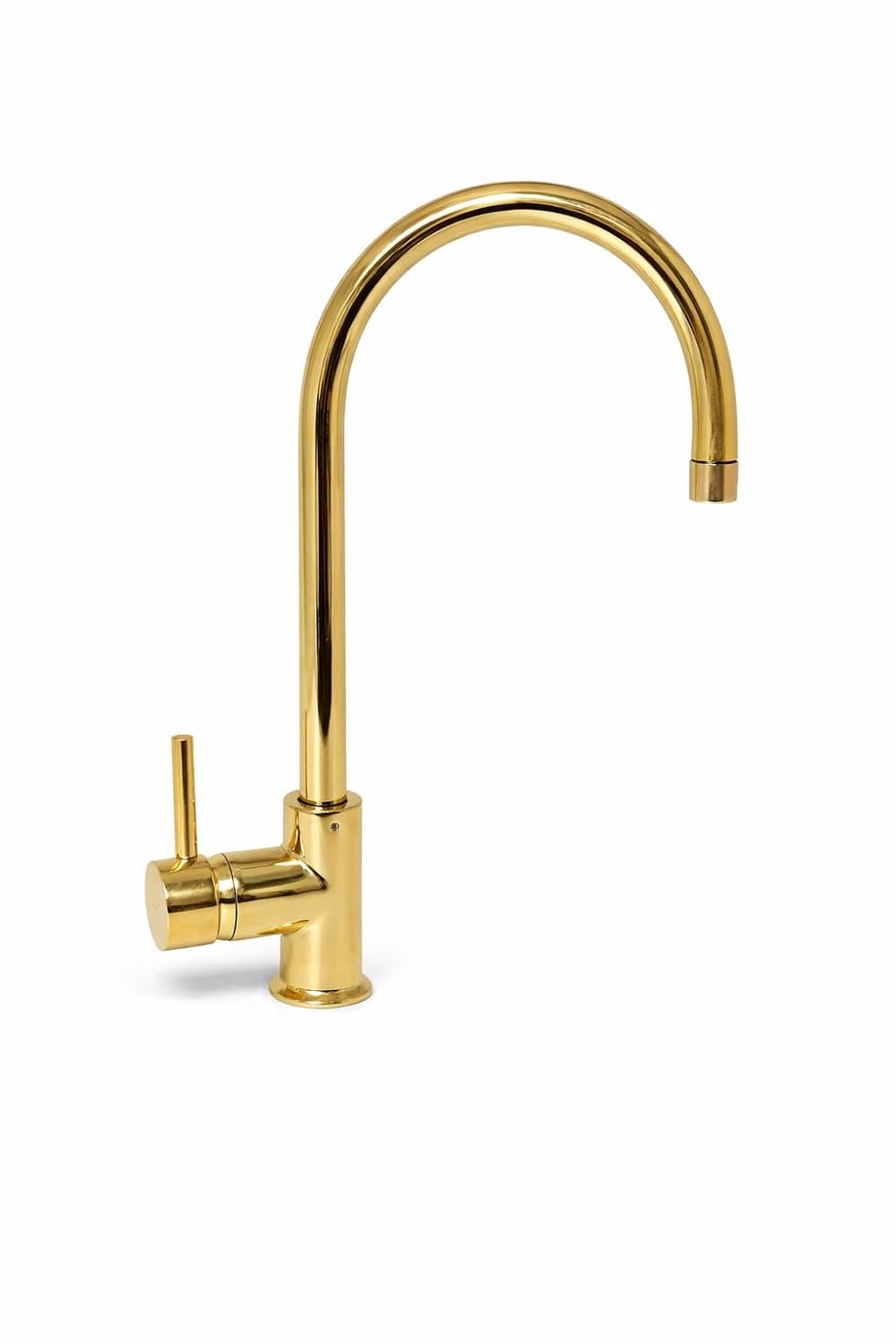
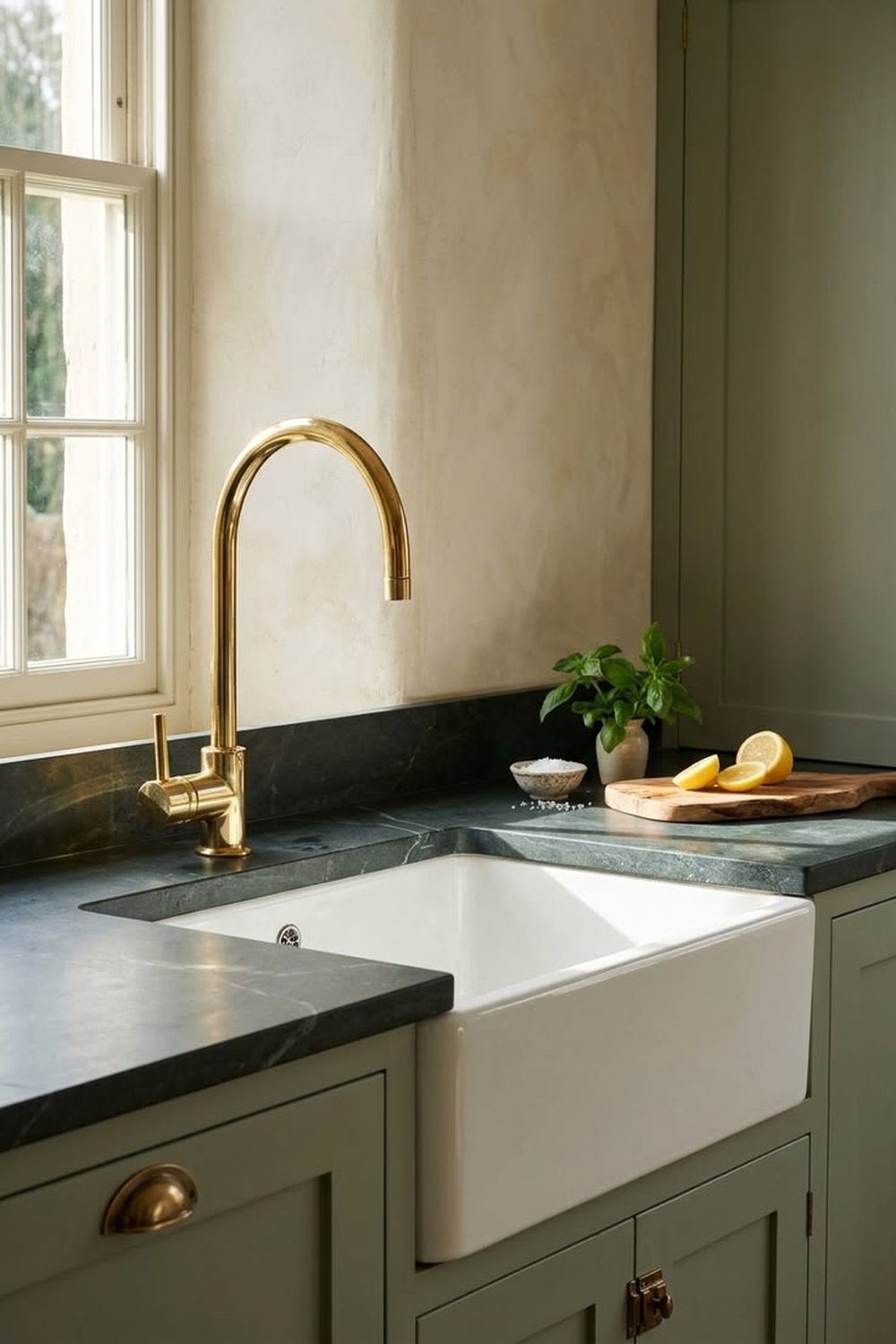
Unlacquered Brass Kitchen Faucet — Solid Brass Gooseneck Tap (Single Lever)
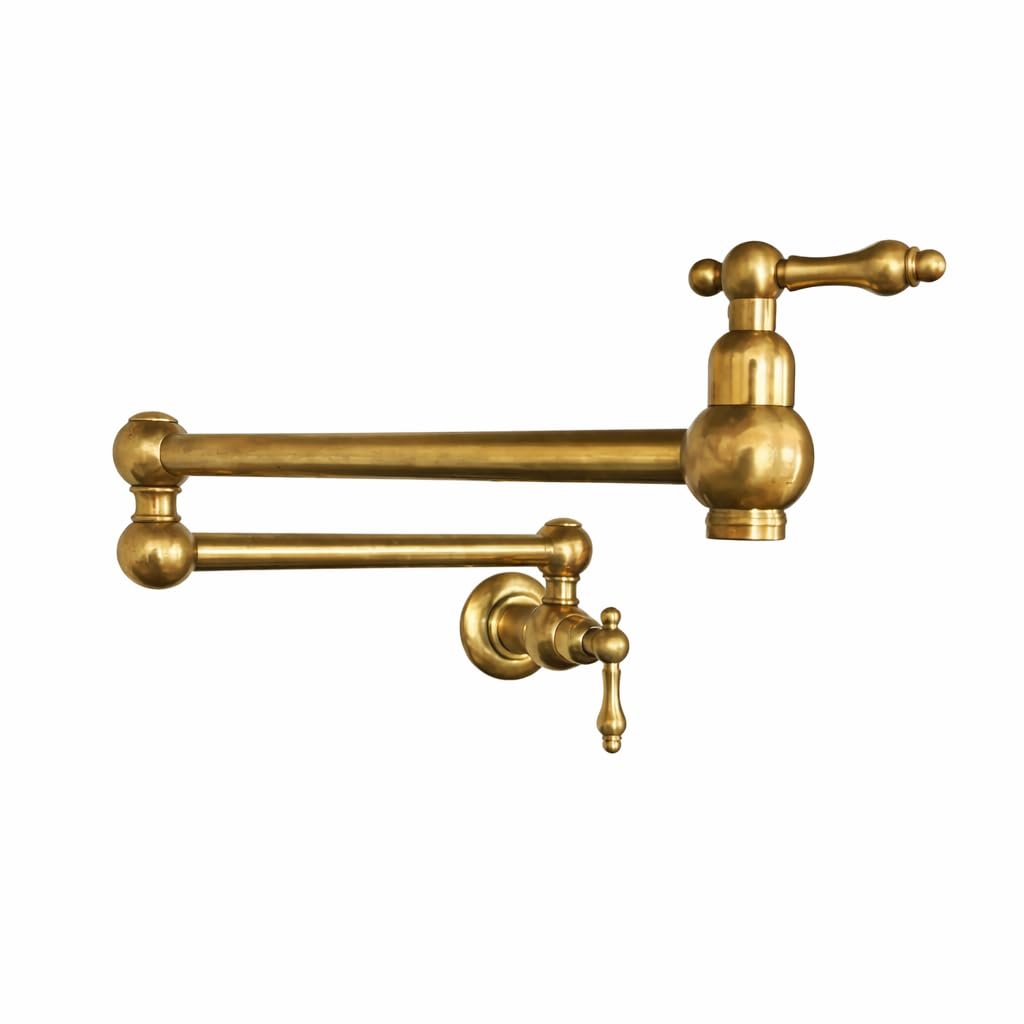
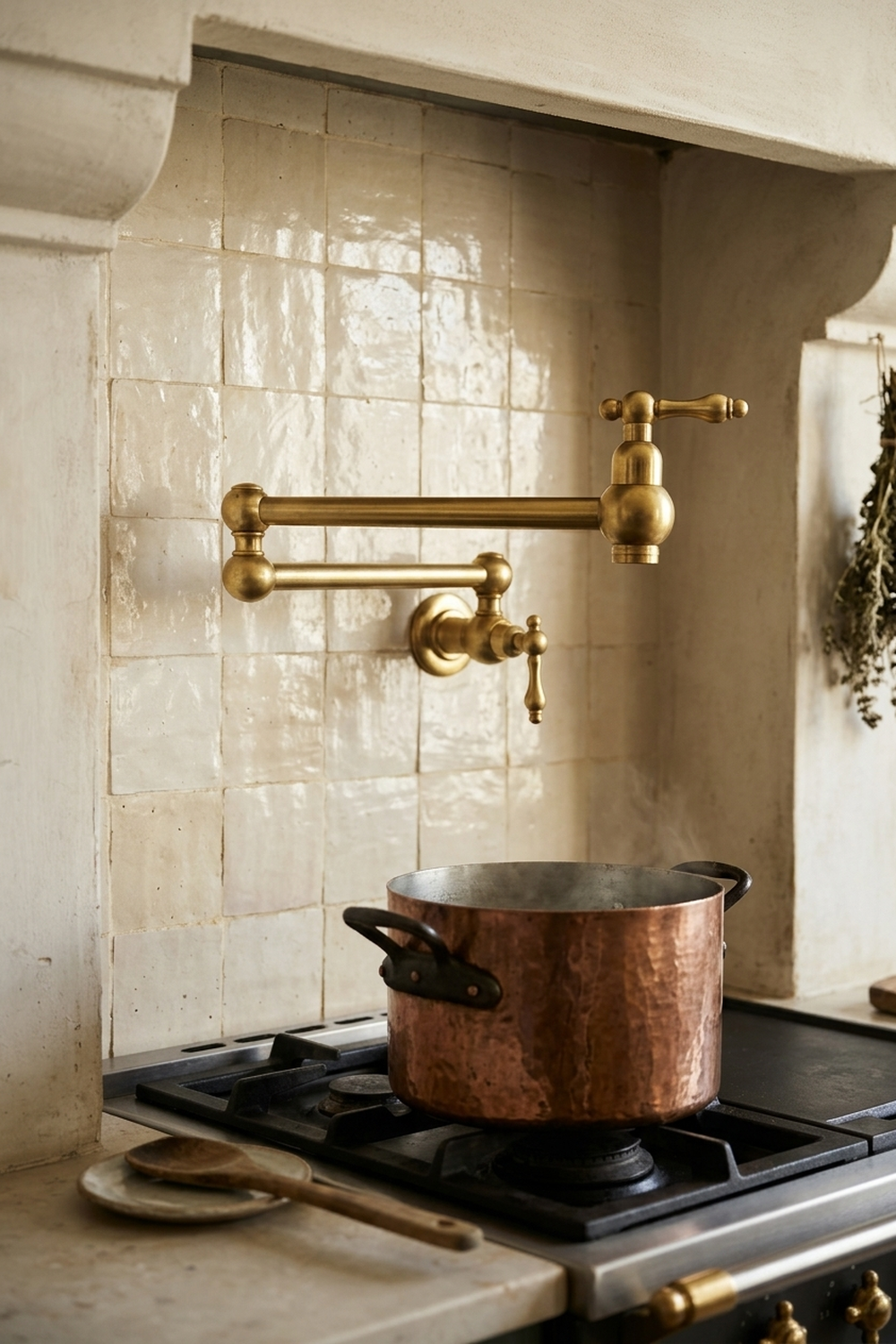
Solid Brass Pot Filler Faucet — Wall-Mounted Dual Articulating (24" Reach)
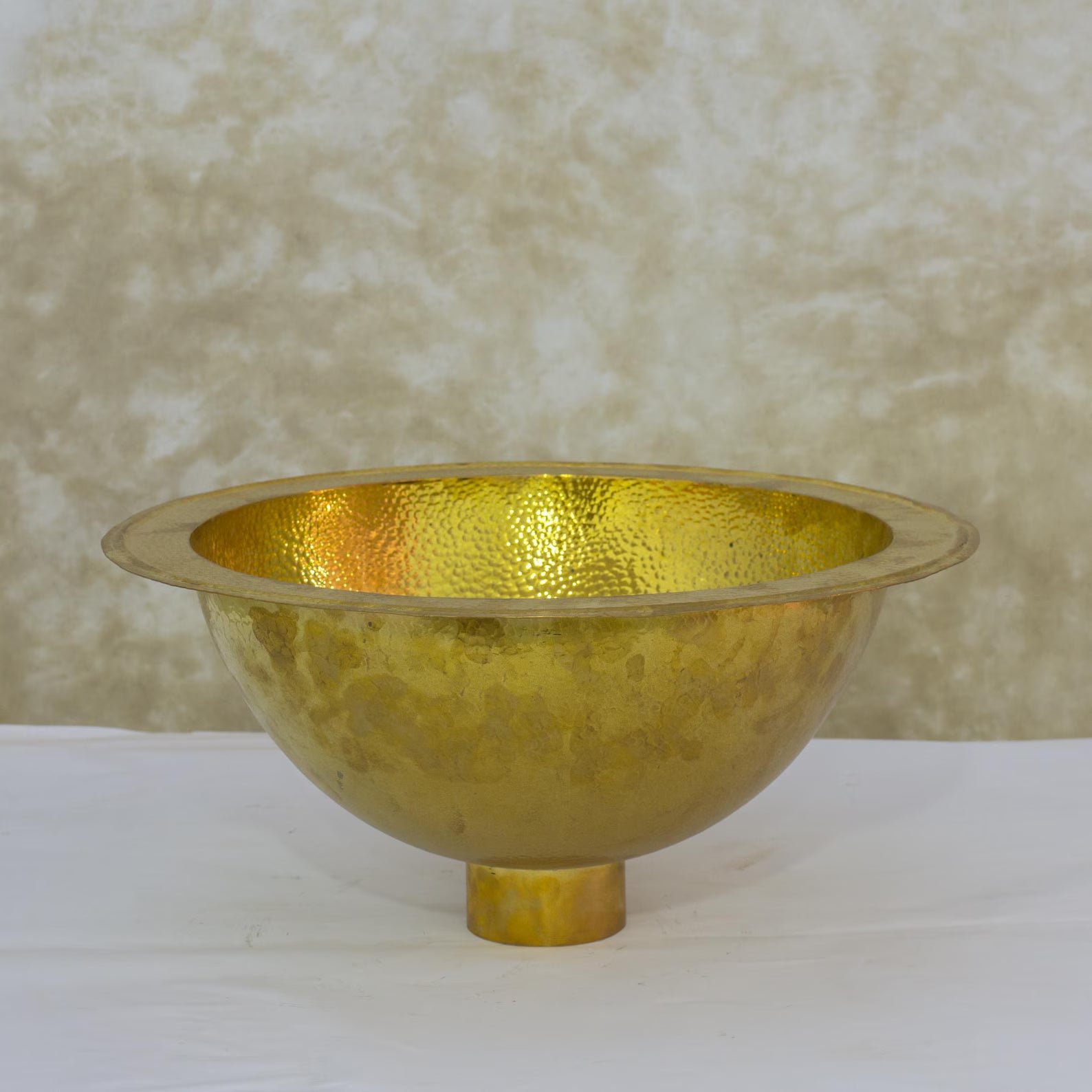
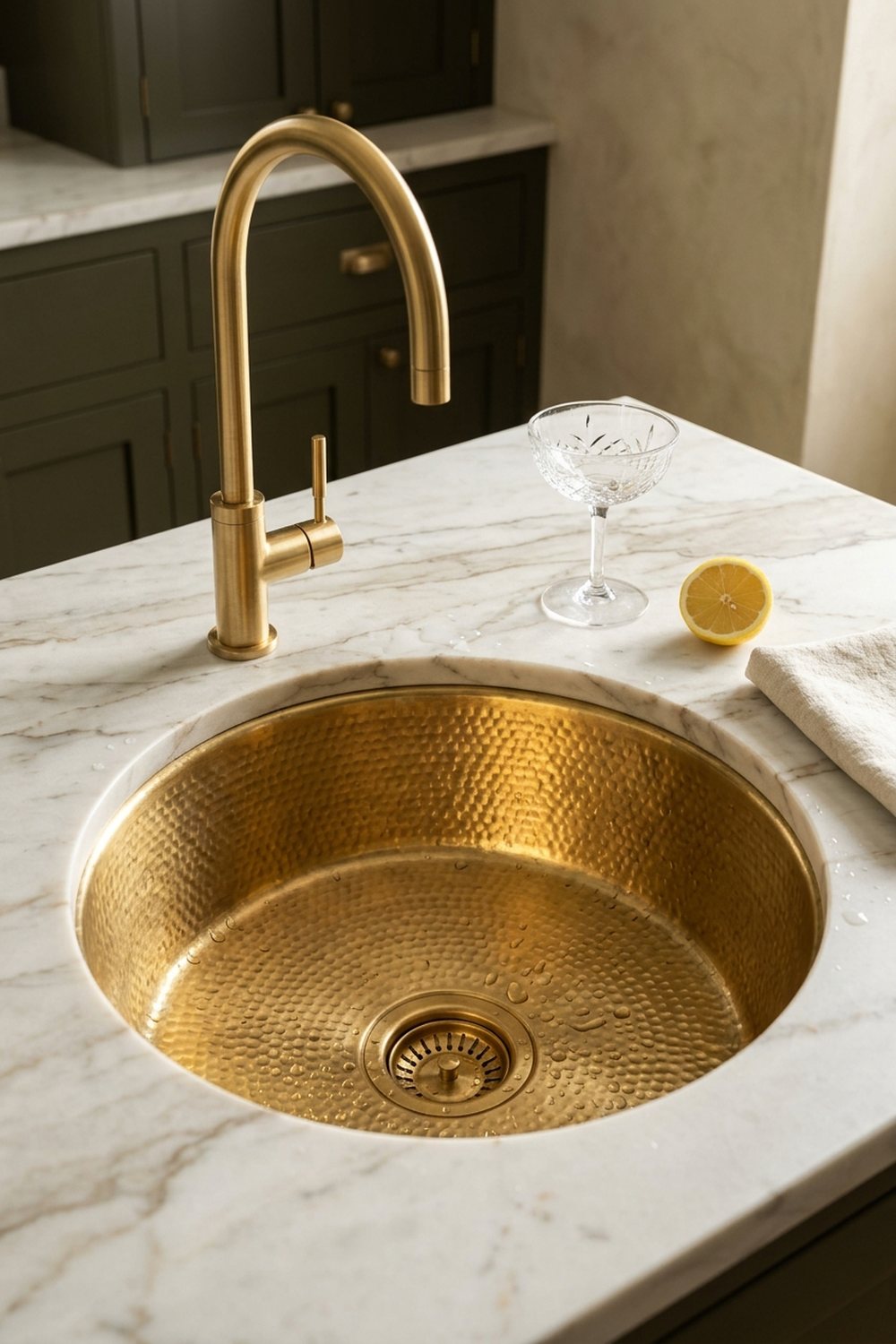
Solid Brass Kitchen & Bar Sink — 15" Hand-Hammered Unlacquered Prep Basin
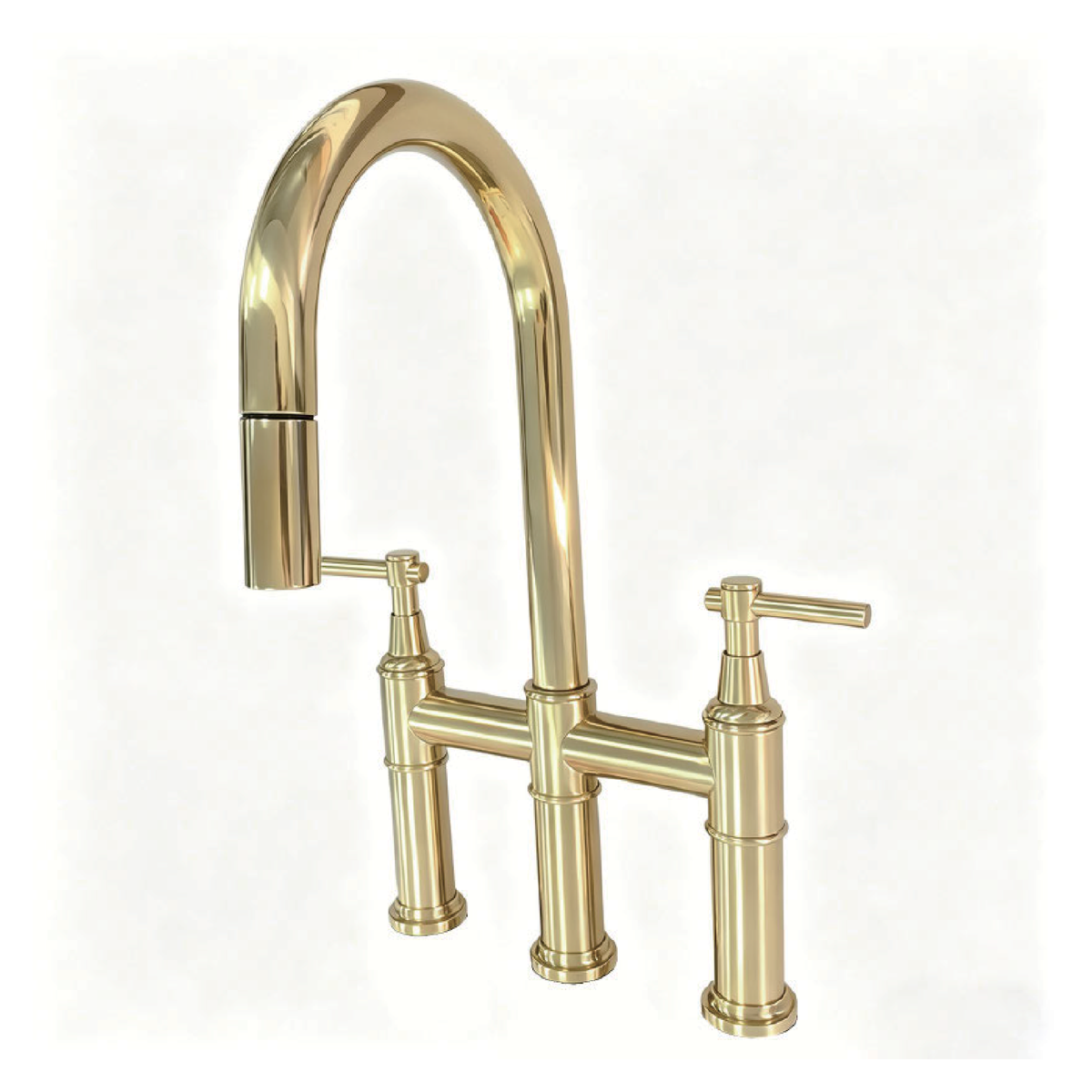
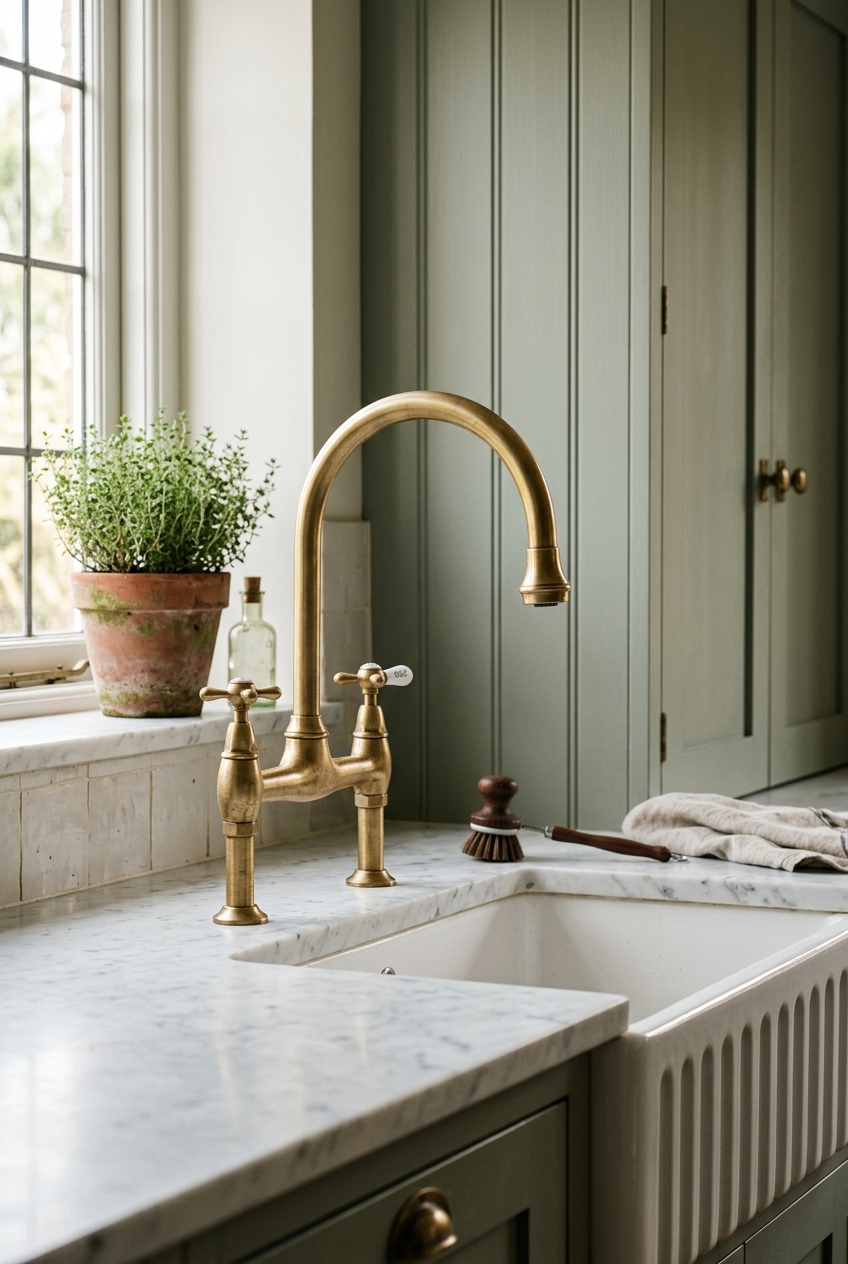
Handcrafted Unlacquered Brass Bridge Kitchen Faucet with Integrated Pull-Down Sprayer
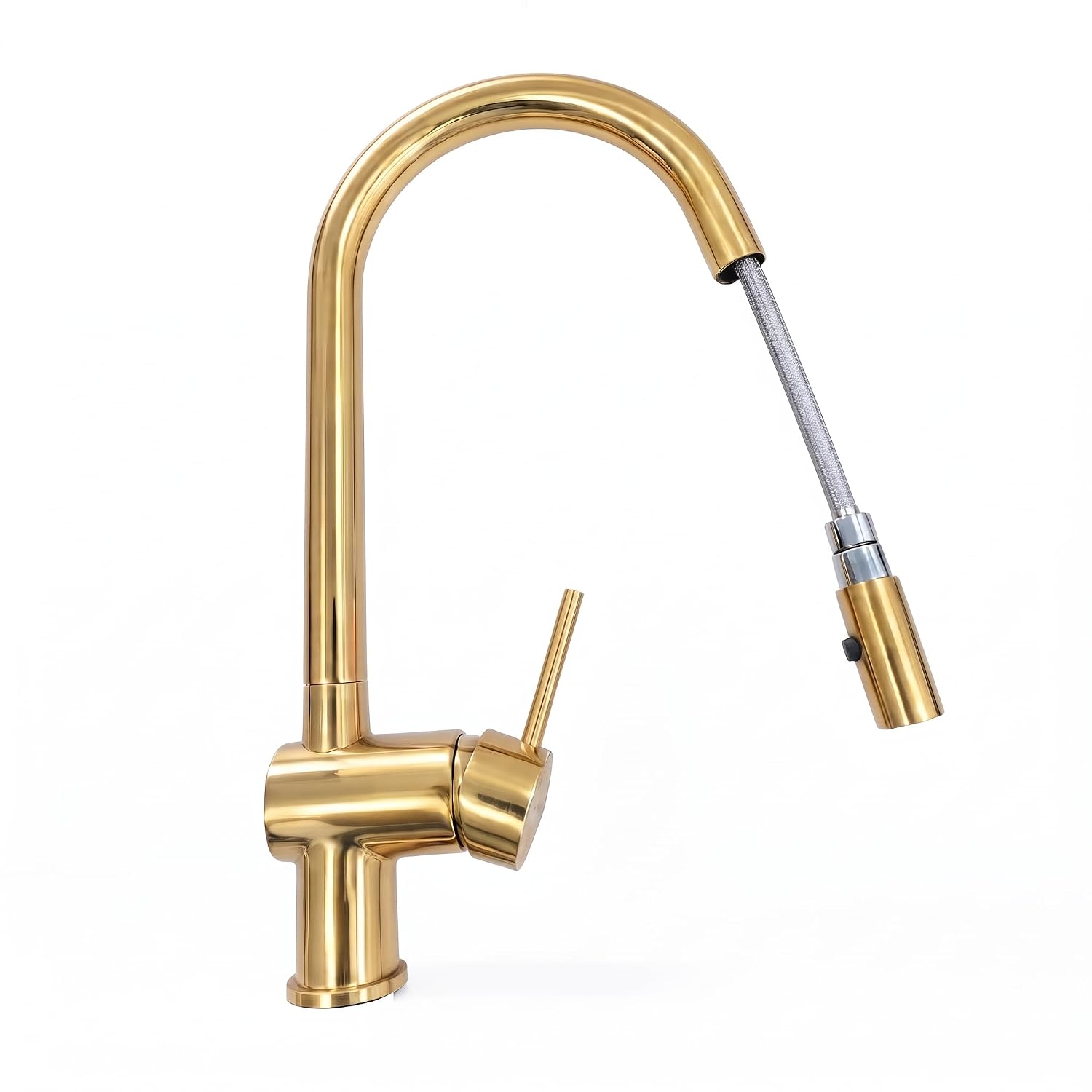
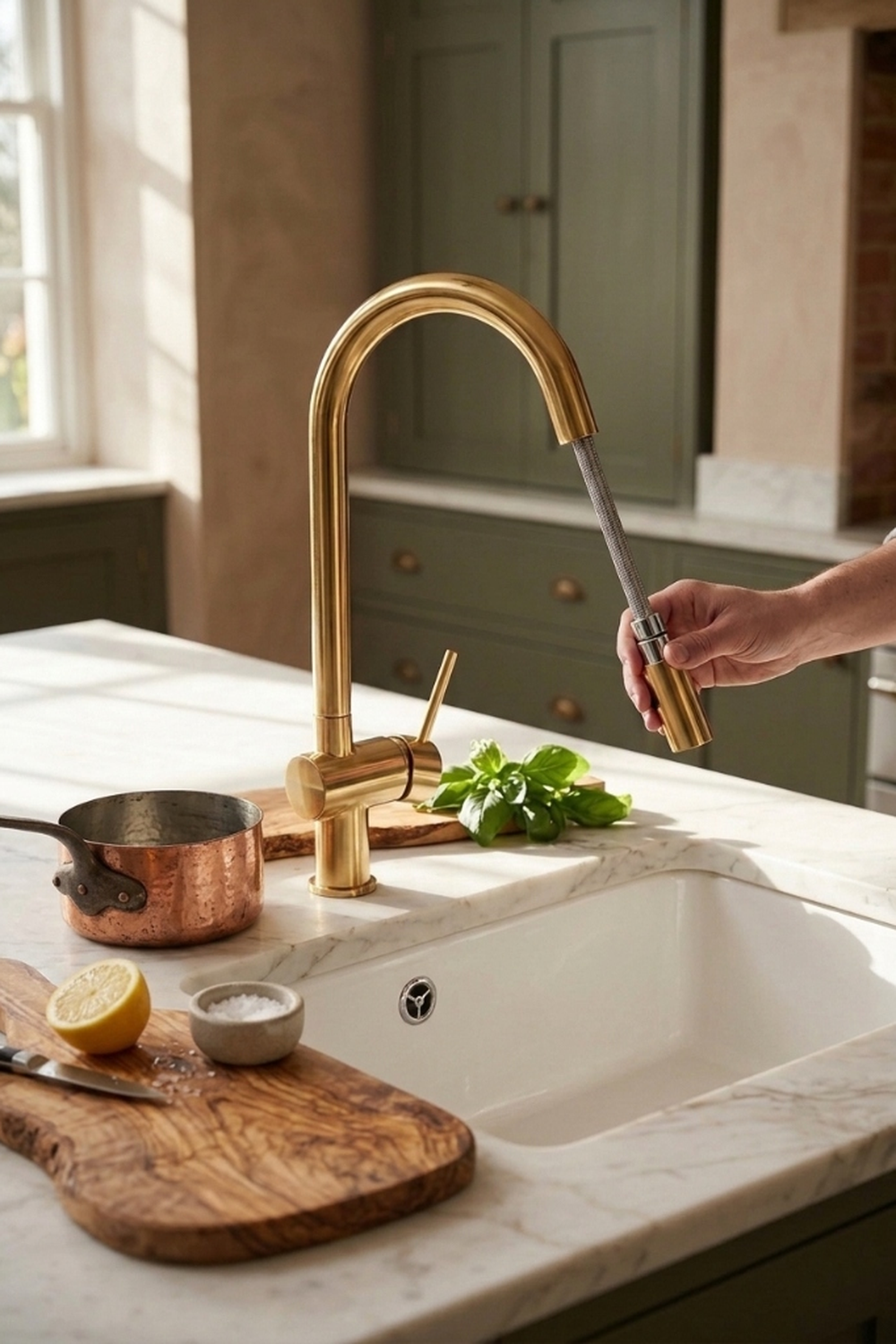
Modern Monobloc Culinary Pull-Down Kitchen Faucet in Solid Living Brass
Handcrafted Solid Living Brass