How to Polish Brass to a Mirror Finish & How to Age Brass at Home (Plus Annual Care Calendar)
Because 100% solid unlacquered brass has no synthetic coating, you have complete control over its appearance: polish it to a dazzling mirror gold finish in 60 seconds, or accelerate an antique bronze patina at home in 45 minutes using household vinegar and salt. Includes our interactive 12-Month Living Brass Care Calendar.
Shop Featured Solid Unlacquered Brass Fixtures From This Study
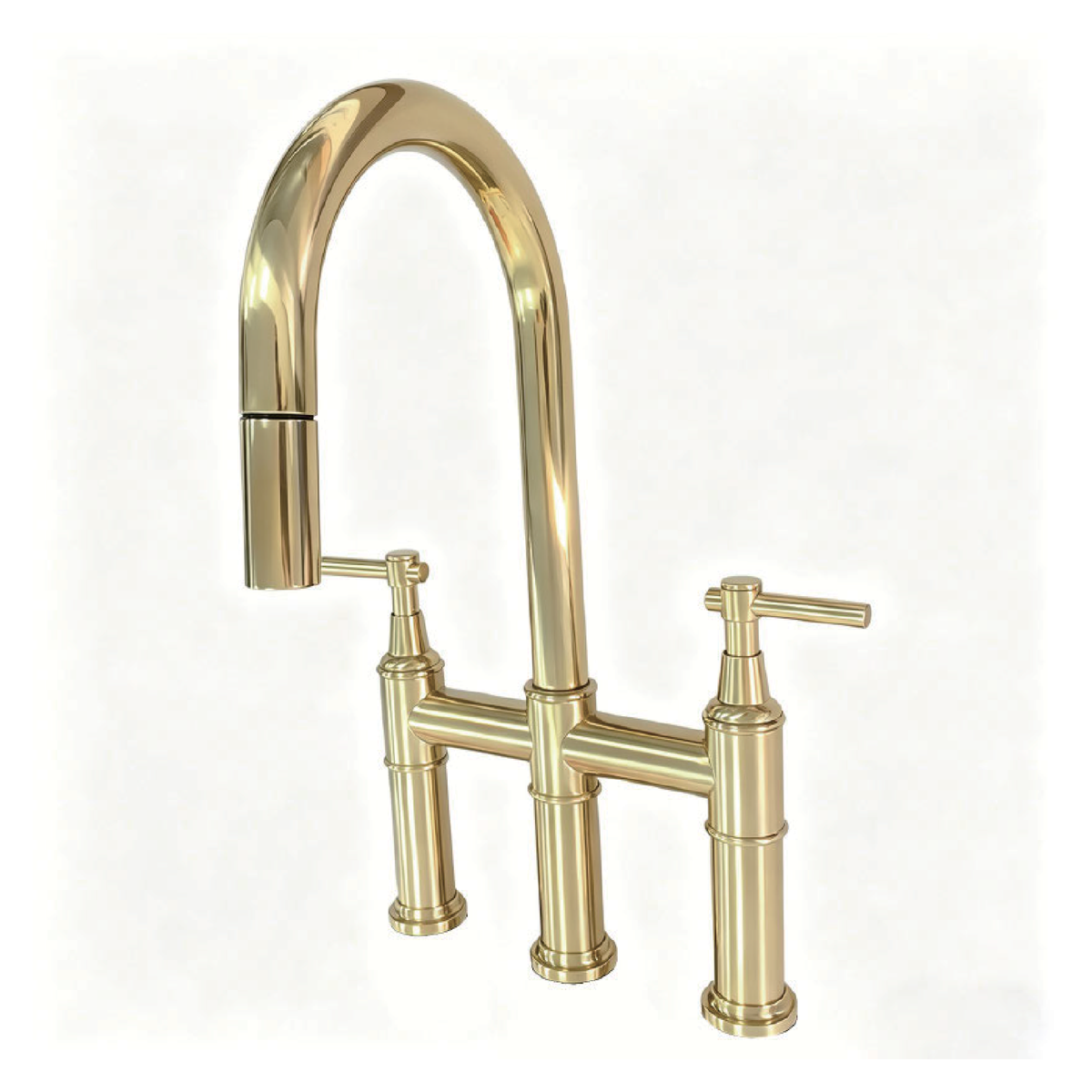
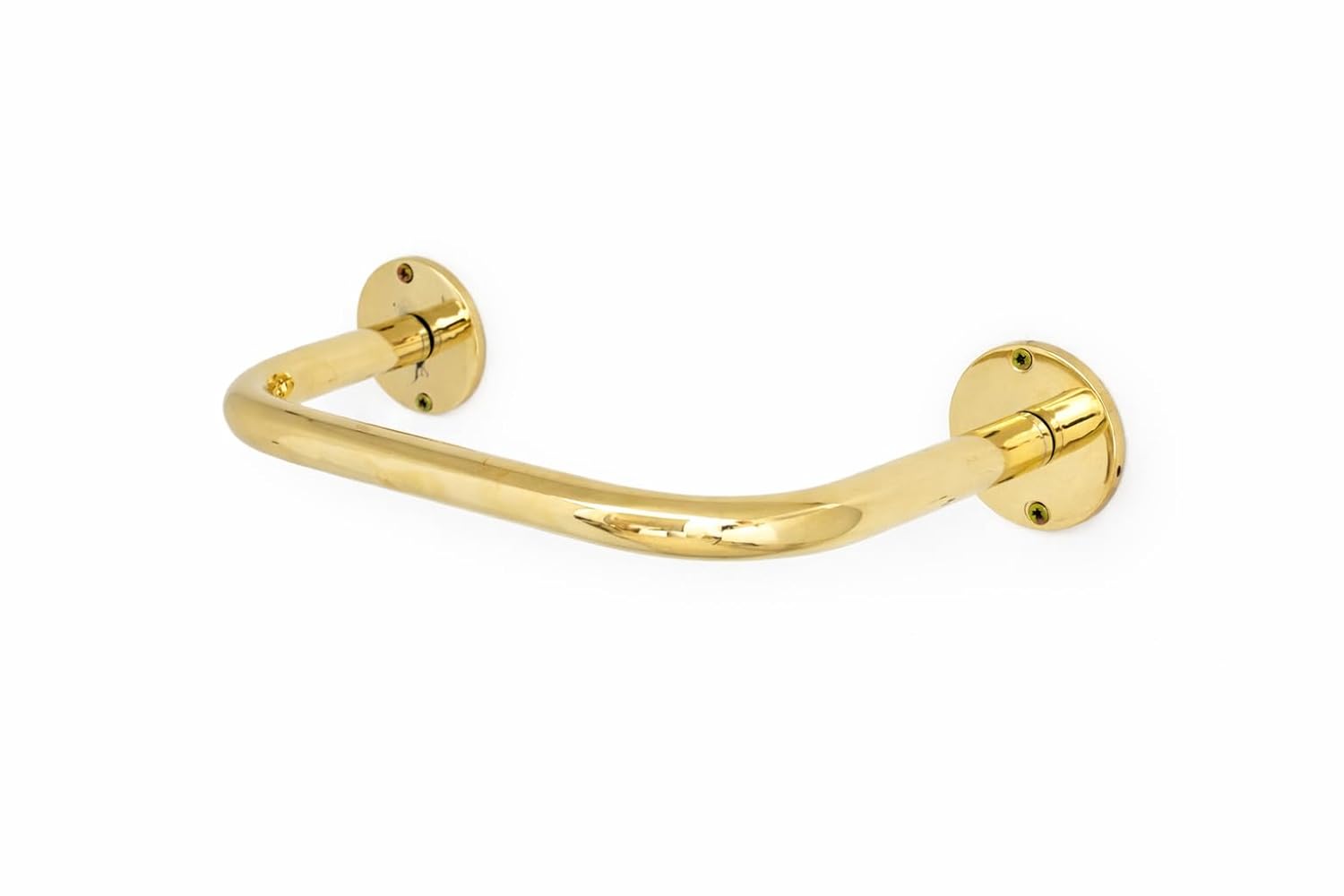
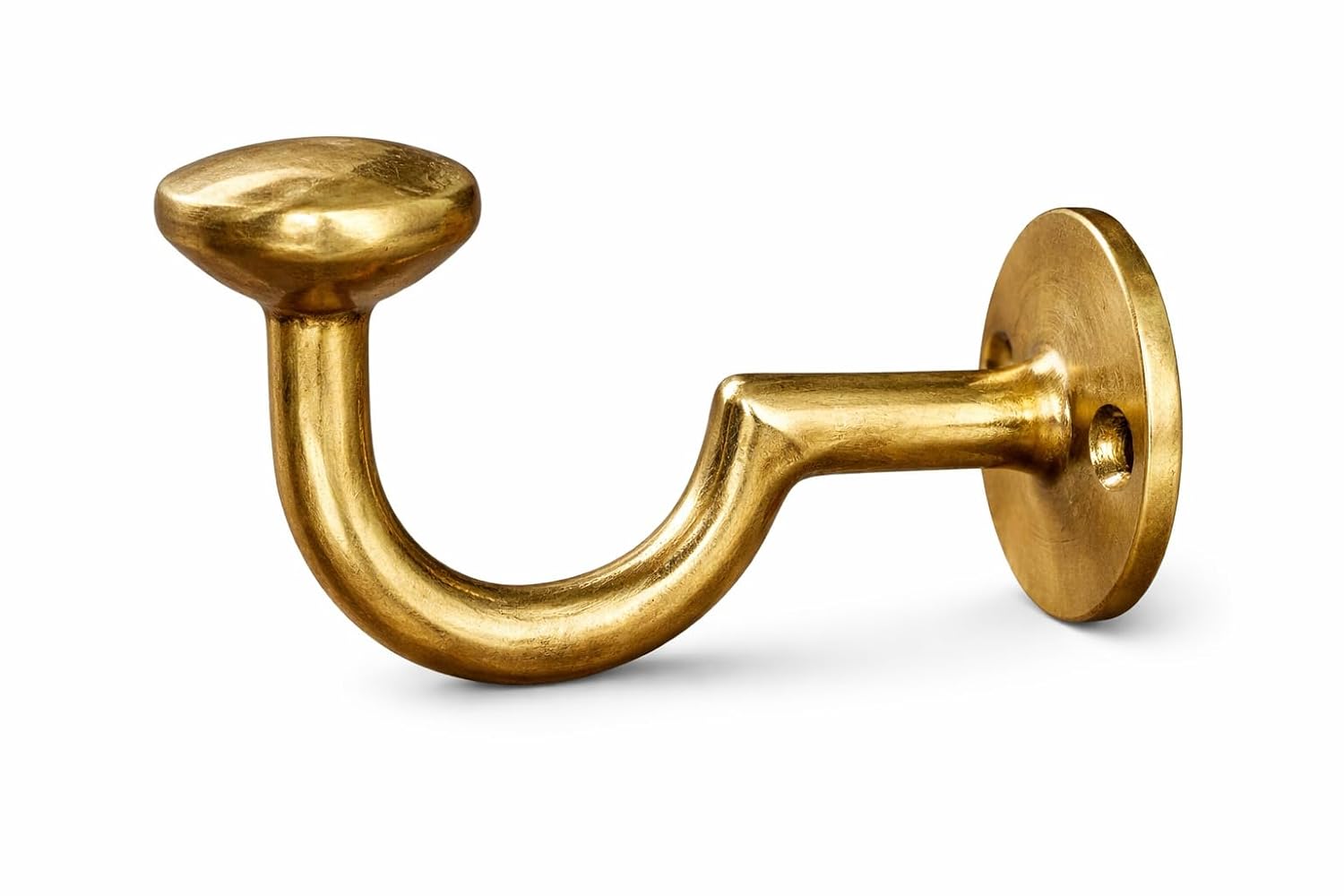
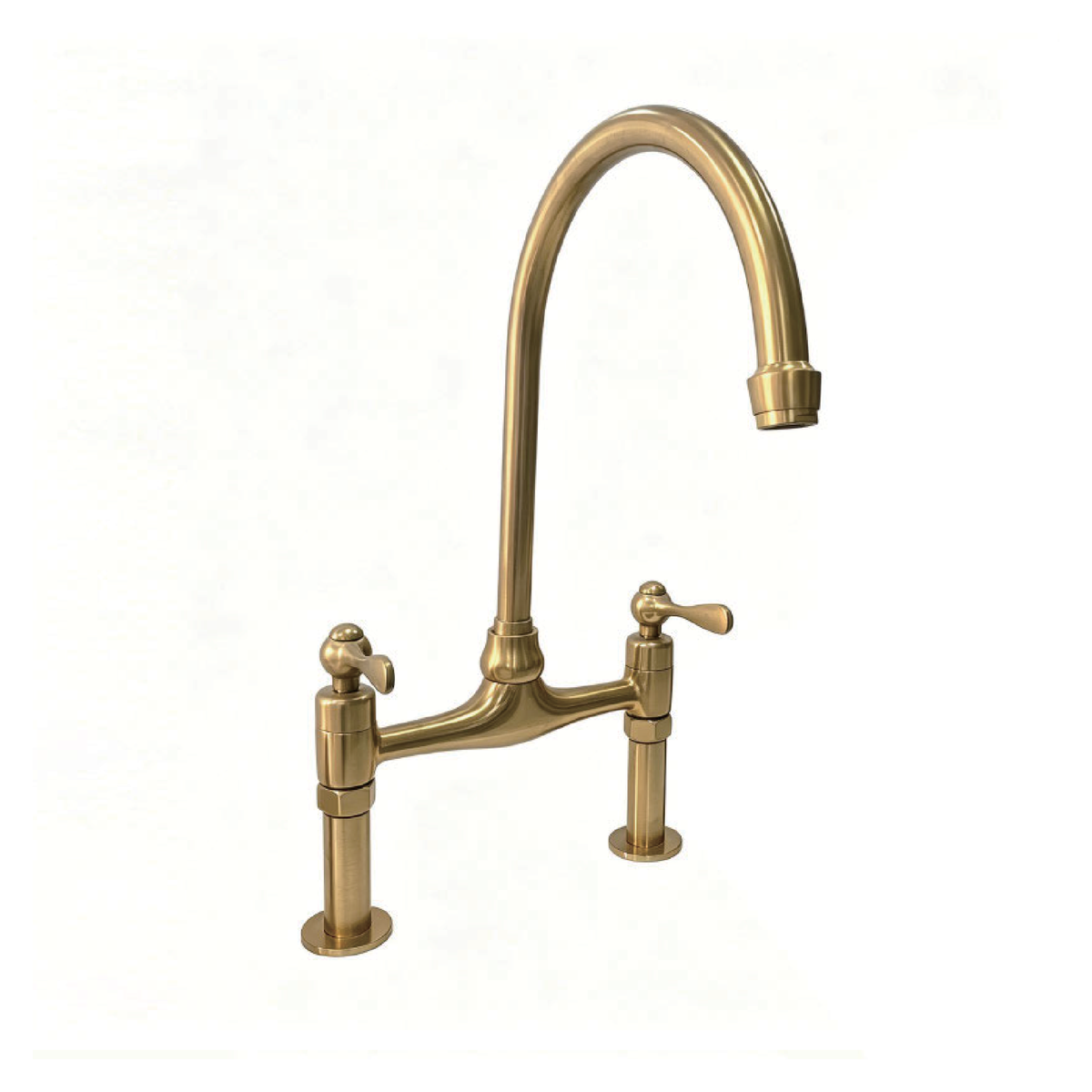
1. How to Polish Solid Brass to a Mirror Finish (With or Without Commercial Polish)
When polishing solid unlacquered brass—whether it is a kitchen bridge faucet, brass door knobs, or vintage candlesticks—avoid harsh ammonia-heavy liquid strippers if you want a warm, scratch-free mirror reflection. Instead, use micro-alumina jeweler’s emulsions like Flitz or Cape Cod cloths: rub until the black oxide lifts onto the cloth, then buff with a clean dry microfiber towel until the surface gleams like a gold mirror.
If you prefer to polish brass items at home without Brasso or chemical solvents, combine half a lemon dipped in fine baking soda (or a thin coat of tomato paste), massage gently over the tarnished surface for 90 seconds, rinse with warm water, and dry immediately.
Artisan Solid Living Brass Featured in This Study
2. How to Age Brass Fast at Home with Vinegar and Salt (The Vapor Fuming Method)
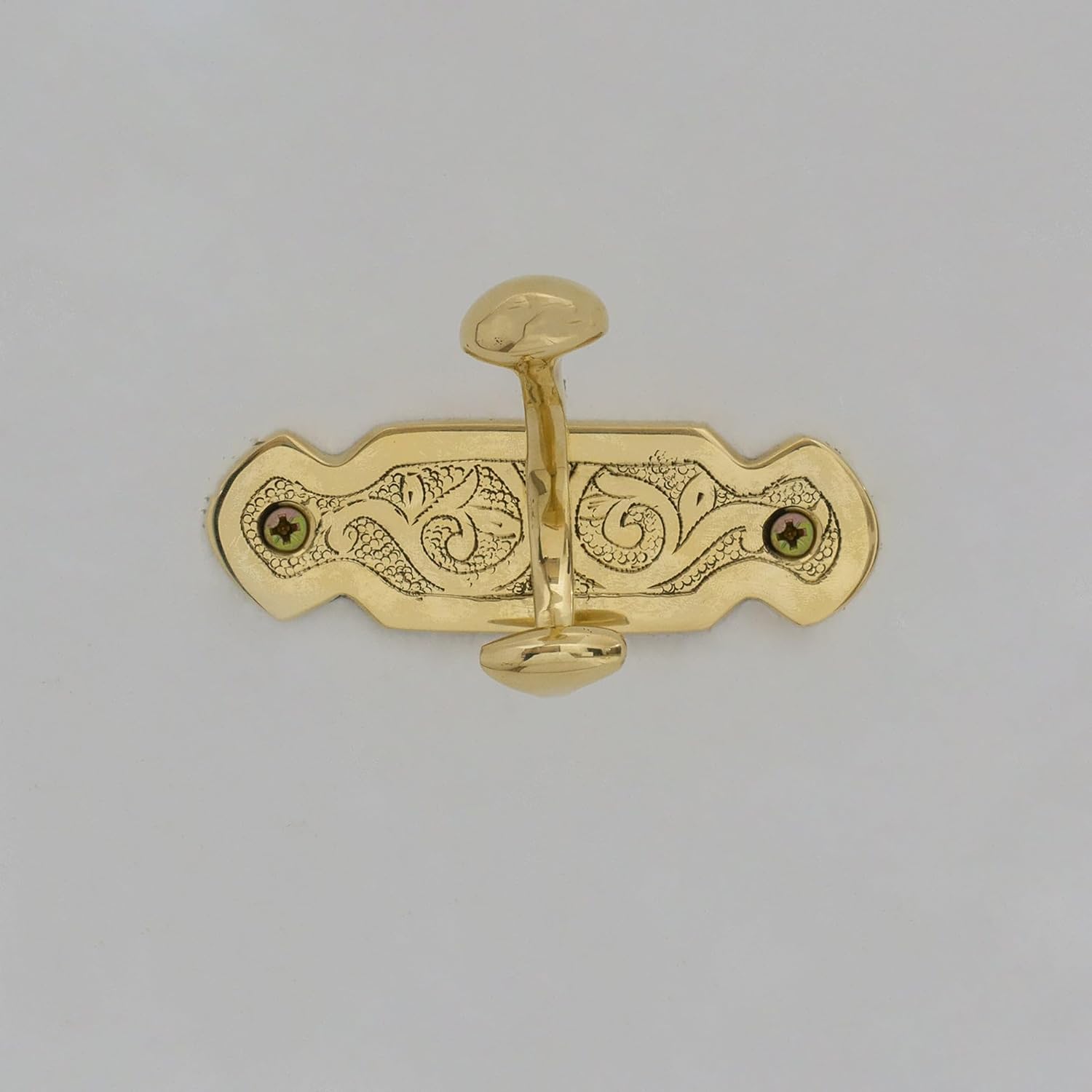
When replacing a single screw, cabinet pull, or wall hook alongside older antique brass hardware, newly buffed raw brass can look too bright. Never submerge brass directly into salty vinegar liquid for hours, which turns the metal pink (dezincification). Instead, use the dry vapor fuming method: place your degreased brass hardware on a dry block inside a covered container with a shallow pool of white vinegar and salt underneath. The humid acetic vapors oxidize the copper evenly in 30 to 60 minutes.
3. The 12-Month Annual Care Calendar for Living-Brass Homes
| Cadence | Kitchen Faucets & Sinks | Bathroom Vanities & Showers | Door Knobs, Hooks & Pulls |
|---|---|---|---|
| Weekly (1 Min) | Wipe spout & base with warm soapy water; buff dry | Wipe toothpaste or hard-water splashes with damp cloth | No action required (hand touch self-burnishes) |
| Quarterly (3 Mins) | Unscrew & rinse aerator screen; optional lemon-soda blend | Wipe silicone rainfall nozzles to clear calcium scale | Dry dust backplates and cafe curtain rods |
| Semi-Annual (5 Mins) | Optional Renaissance Wax coat on base escutcheon | Re-apply thin microcrystalline wax to vanity deck plate | Check set-screw snugness on door knob spindles |
| Annual Optional Reset | 60-second Cape Cod / Flitz polish if Day-1 gold desired | Inspect P-trap cleanout cup & pop-up drain O-ring | Polish high-touch entry knobs if bright gold preferred |
Conservator's PrincipleNever introduce abrasive steel wool or caustic ammonia-based bathroom cleaners to raw unlacquered brass. Warm water with natural soap cleans dirt without stripping accumulated antique patina; a 30-second wipe with jeweler’s rouge or brass paste resets to Day 01 mirror gold anytime.
Frequently Addressed Inquiries
How do you polish brass without Brasso using household items?
Mix equal parts lemon juice (or white vinegar), baking soda, and a pinch of flour into a smooth paste. Rub onto the unlacquered brass with a soft cloth for 60 seconds, rinse thoroughly with warm water, and buff dry with a microfiber towel.
How do you age brass screws, cabinet pulls, or hooks quickly with vinegar and salt?
First, verify the hardware is unlacquered (if factory-lacquered, soak in acetone for 10 minutes to strip the clear coat). Wash with Dawn soap to remove finger oils, then place the hardware on a dry riser cup inside a sealed Tupperware container filled at the bottom with 1 cup of white vinegar and 2 tablespoons of salt. Check every 20 minutes until your desired antique brown tone forms.
How often should you clean brass kitchen faucets and brass bathroom faucets?
Wipe kitchen and bathroom faucets once a week with warm water and mild pH-neutral dish soap, and dry with a soft towel. Polish only if and when you wish to reset the patina back to bright gold (typically 1 to 2 times per year, or never if you prefer deep antique bronze).
Authoritative Standards, Codes & Technical References
Primary metallurgical benchmark for solid 65/35 copper-zinc binary alloy density (8.53 g/cm³), tensile yield, and natural cuprous oxide passivation.
North American mechanical engineering standard governing US 1/2" NPT thread geometry, hydrostatic burst pressure (500 PSI), and 500,000-cycle ceramic disc valve endurance.
Museum and historic preservation protocol for non-abrasive cleaning, microcrystalline wax sealing, and organic patina stabilization on unlacquered architectural brass.
Federal clinical registration confirming uncoated solid brass and copper alloys continuously eliminate 99.9% of surface bacteria within 2 hours.
Handcrafted Brass Featured in This Study
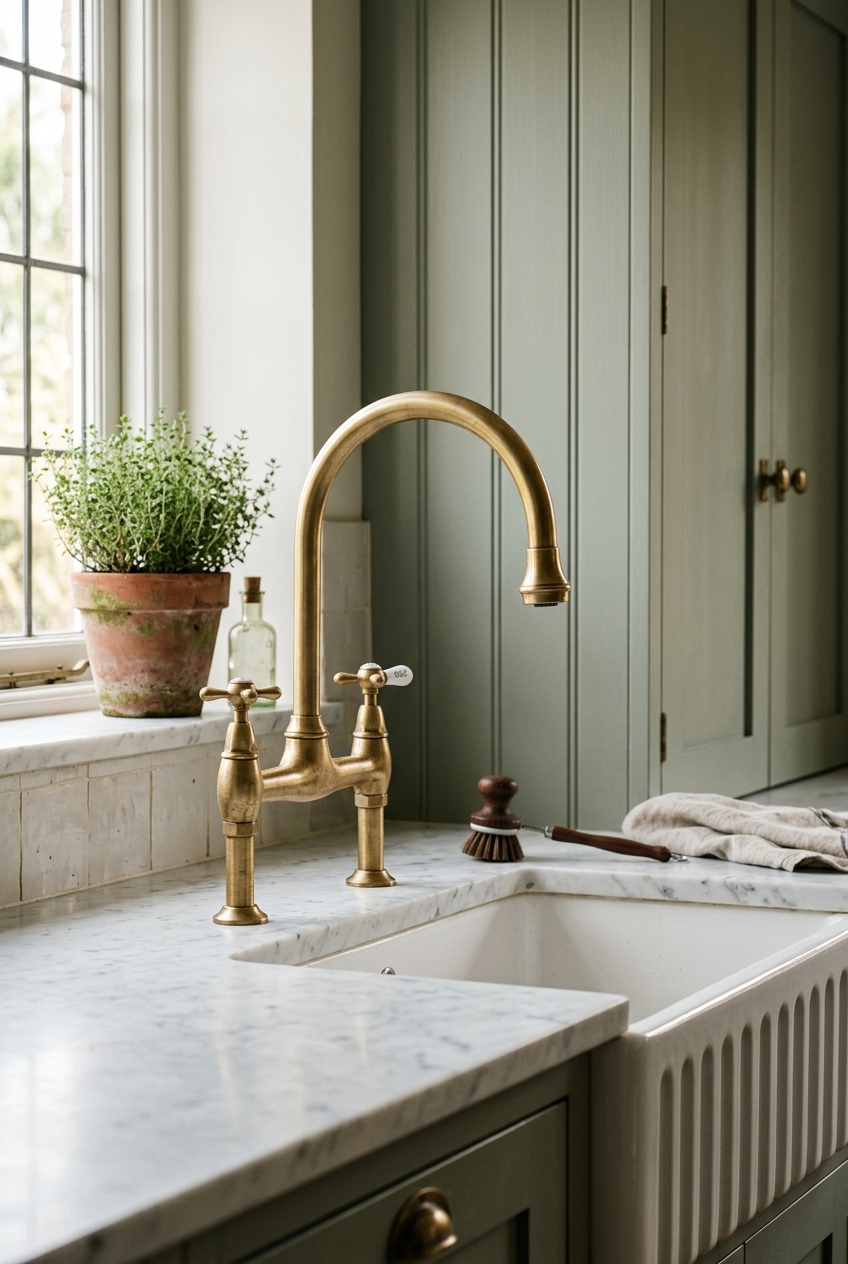
Handcrafted Unlacquered Brass Bridge Kitchen Faucet with Integrated Pull-Down Sprayer
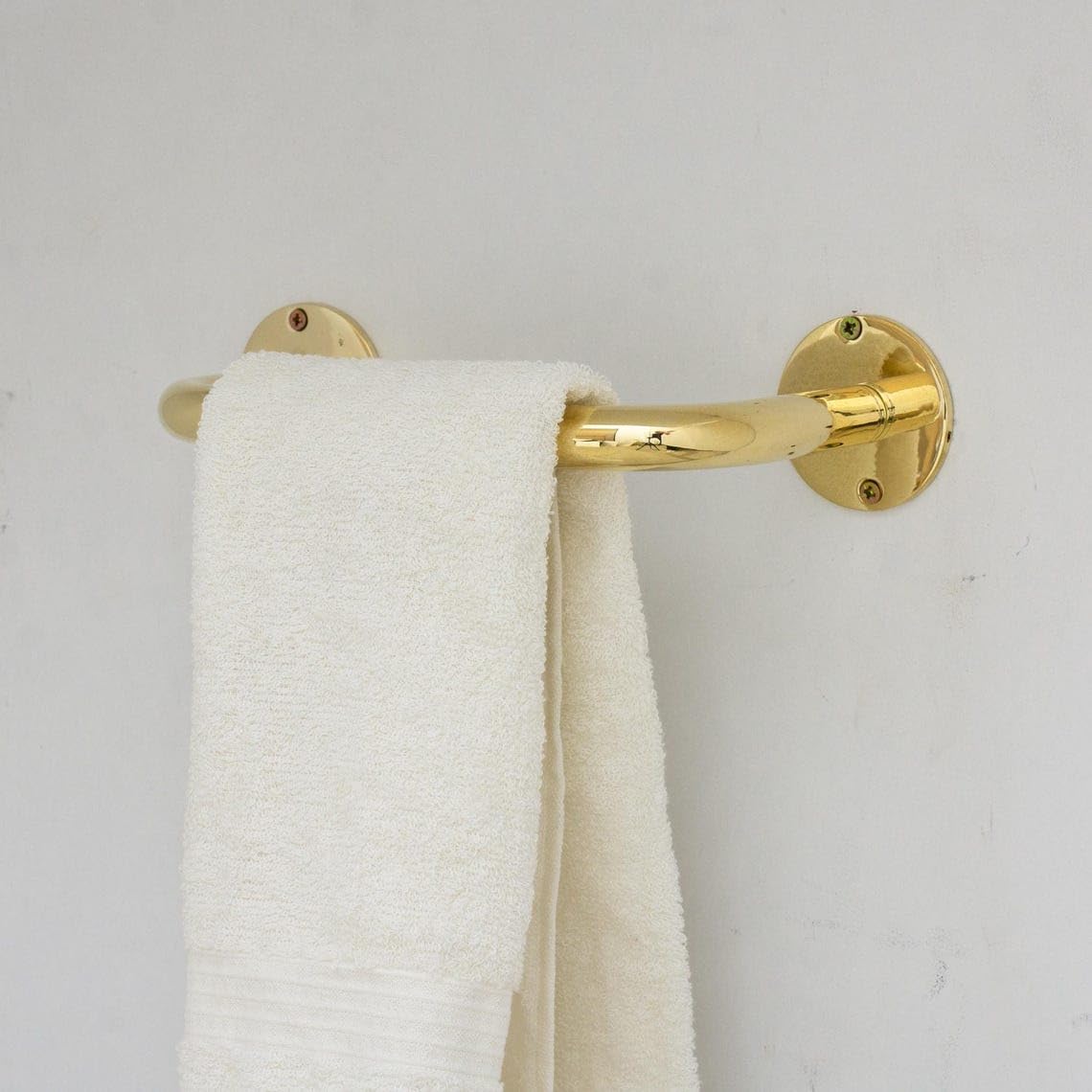
Complete 4-Piece Unlacquered Brass Bathroom Hardware Set — Towel Bar, Ring, TP Holder & Hook
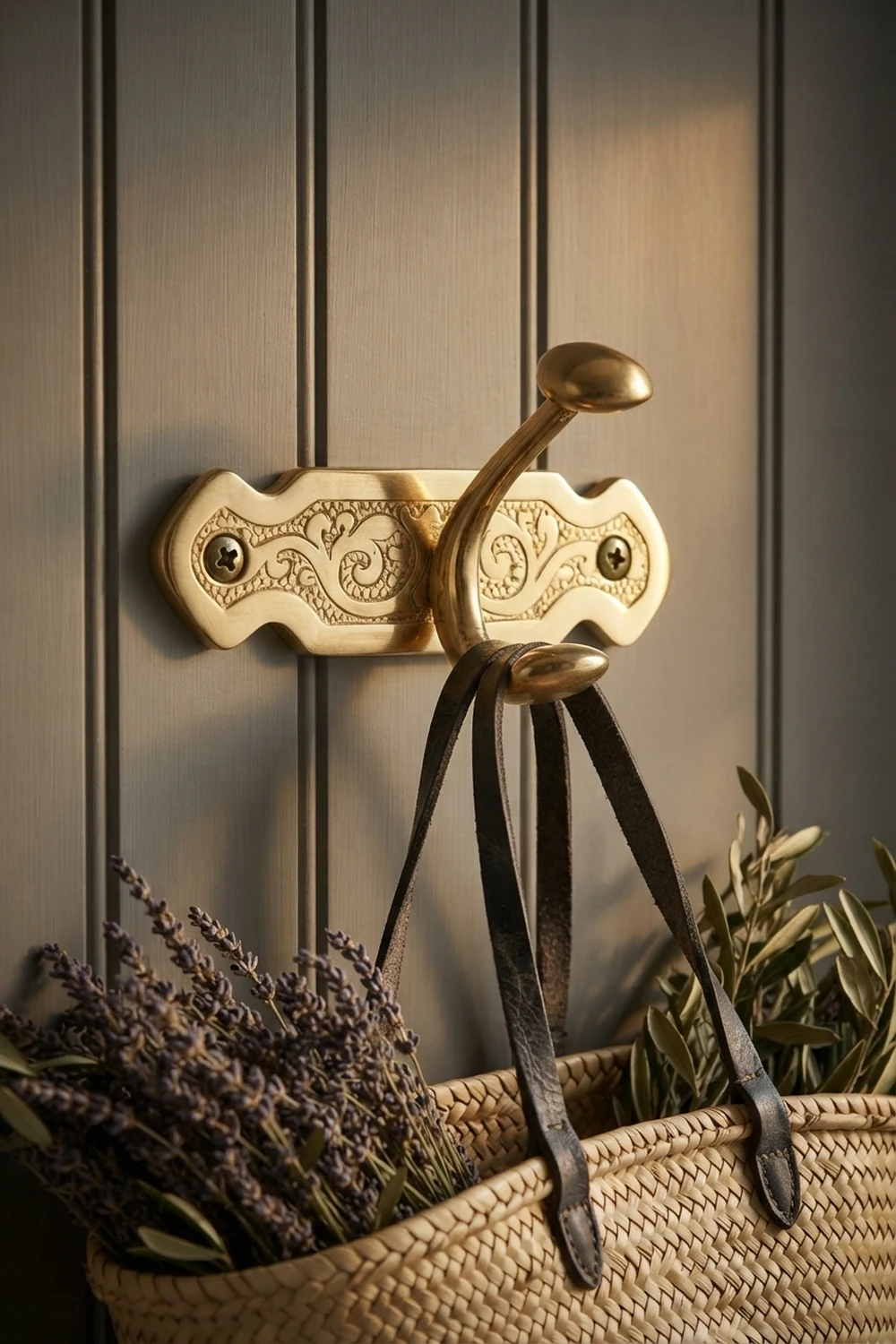
Solid Unlacquered Brass Cabinet Pulls (3" & 5" Centers) with Optional Backplate
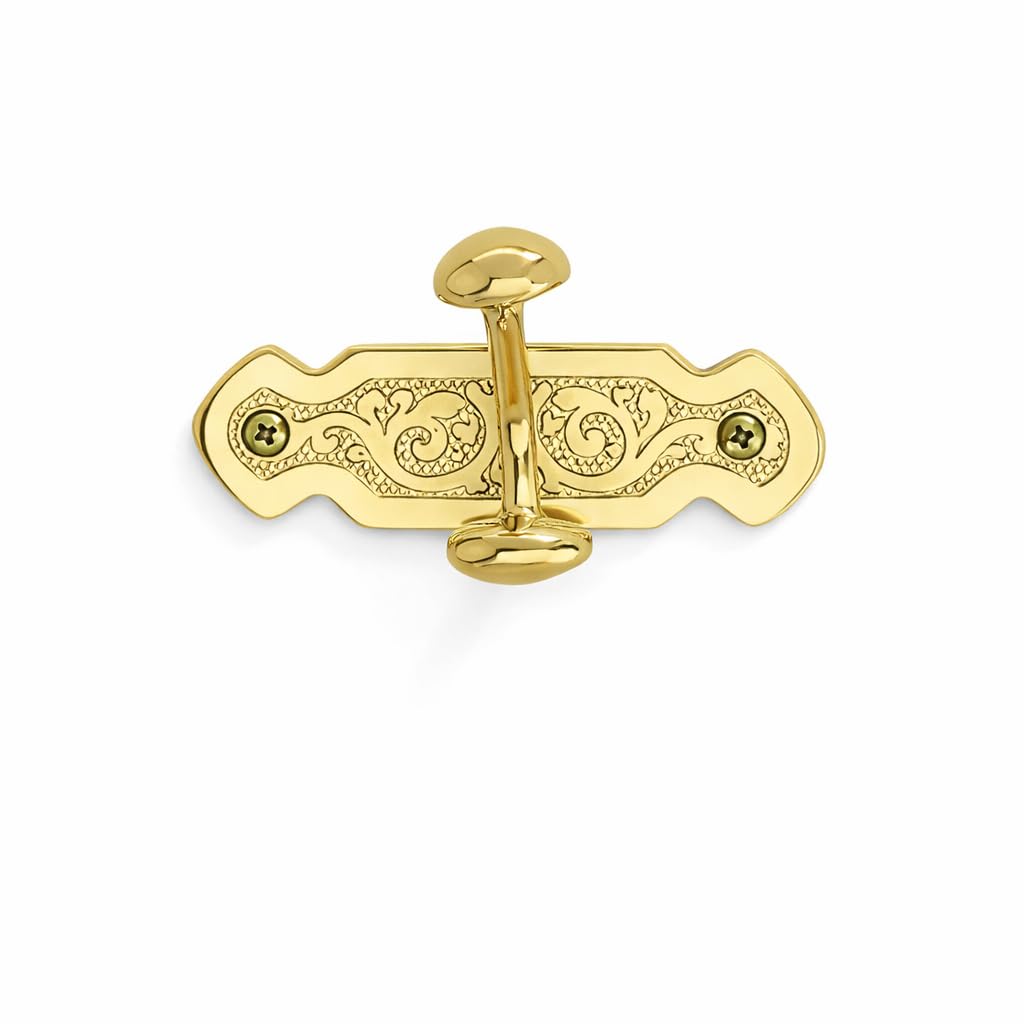
Solid Unlacquered Brass Door Knobs with Long Backplate & Privacy Lock
Handcrafted Solid Living Brass