How Solid Brass Faucets Are Made: Inside Our Marrakech Sand-Casting Foundry
Follow the 7-stage artisanal and engineering journey of a Medina Brass fixture in Marrakech: from melting virgin 65/35 copper-zinc ingots at 1,050°C and hand-ramming green sand molds to precision US 1/2" NPT thread machining and 500,000-cycle ceramic valve hydro-testing.
Shop Featured Solid Unlacquered Brass Fixtures From This Study
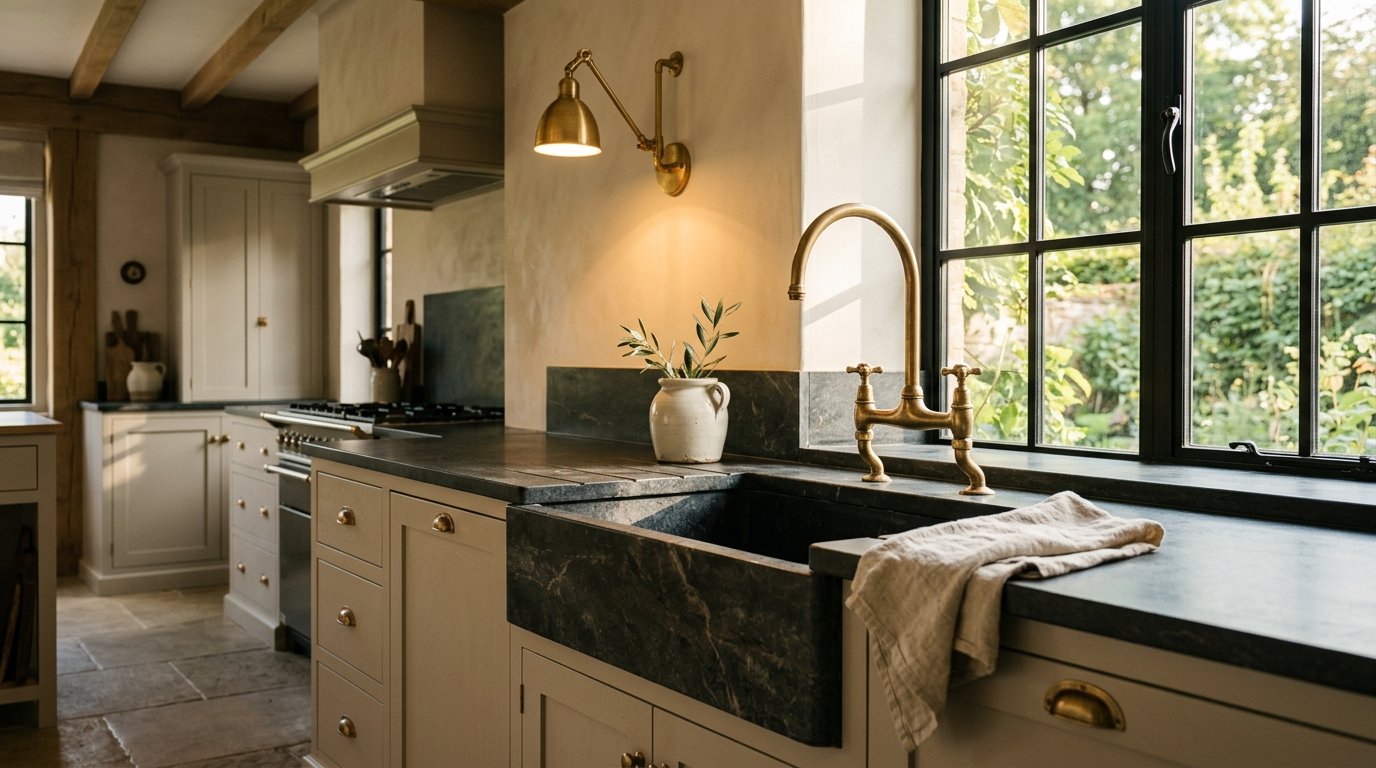
Stage 1 & 2: Virgin 65/35 Alloy Smelting at 1,050°C & Hand-Rammed Sand Molds
Every fixture begins with raw metallurgy. Rather than melting mixed post-consumer scrap metal—which frequently harbors trace lead, arsenic, and brittle aluminum—our Marrakech foundry smelts strictly virgin binary 65% copper and 35% zinc architectural ingots conforming to ASTM International specifications and Safe Drinking Water Act (SDWA) standards in crucible furnaces heated to 1,050°C (1,922°F).
Simultaneously, master mold-makers pack fine, clay-bonded silica green sand around hand-carved brass master patterns inside two-part iron flasks (the cope and drag). A baked resin-sand core is suspended precisely inside the cavity to form the hollow internal water waterways.
Artisan Solid Living Brass Featured in This Study
Stage 3 & 4: The Gravity Pour, Shakeout & Precision US 1/2" NPT Machining
Foundrymen pour the glowing molten golden alloy through the sprue gates until the mold cavity is completely filled. Once cooled, the sand mold is broken open by hand—meaning every single mold is unique and destroyed to birth one faucet body.
After sawing off the pouring sprues, the rough casting moves to our precision machining bench. Here, calibrated taps cut North American standard 1/2-inch NPT tapered pipe threads, 3/8-inch compression seats, and mirror-flat sealing chambers for European 500,000-cycle ceramic disc cartridges.
Stage 5 & 6: Hand Filing, Moroccan Artisan Buffing & 80 PSI Hydrostatic Testing
Each casting passes through five progressive grits of emery belts and sisal buffing wheels guided entirely by human hands—never robotic arms. For our engraved collections, *maâlem* master engravers in the historic UNESCO World Heritage Medina of Marrakech chisel traditional Moroccan geometric and floral motifs directly into the thick brass walls.
Finally, every assembled bridge faucet, pot filler, and shower column is connected to our hydrostatic test rig and pressurized with water at 80 to 125 PSI to verify zero pinhole porosity and effortless quarter-turn valve shut-off before being nestled into its cotton heirloom pouch.
Conservator's PrincipleNever introduce abrasive steel wool or caustic ammonia-based bathroom cleaners to raw unlacquered brass. Warm water with natural soap cleans dirt without stripping accumulated antique patina; a 30-second wipe with jeweler’s rouge or brass paste resets to Day 01 mirror gold anytime.
Frequently Addressed Inquiries
Why are sand-cast solid brass faucets heavier than regular store-bought faucets?
Sand-casting requires molten brass to flow through gravity-fed channels, naturally producing dense 3.2mm to 4.8mm solid metal walls (8.53 g/cm³ density). A Medina Brass bridge faucet weighs 7.5 to 9.0 lbs of pure brass—more than double the weight of hollow stamped or zinc-cored retail faucets.
Are small micro-dimples on a sand-cast brass faucet normal?
Yes. Faint, pinpoint sand-grain textures in recessed transition curves are the coveted fingerprint of genuine hand-poured sand casting, distinguishing artisan foundry metalwork from sterile robotic die-casting.
How does Medina Brass ensure Moroccan sand-cast faucets fit American plumbing without leaks?
While our outer bodies are sand-cast and hand-finished by master metalsmiths in Marrakech, every internal valve seat, O-ring groove, and US 1/2" NPT / 3/8" compression thread is precision-machined on calibrated lathes and hydro-tested under 80 PSI water pressure before packaging.
Authoritative Standards, Codes & Technical References
Primary metallurgical benchmark for solid 65/35 copper-zinc binary alloy density (8.53 g/cm³), tensile yield, and natural cuprous oxide passivation.
North American mechanical engineering standard governing US 1/2" NPT thread geometry, hydrostatic burst pressure (500 PSI), and 500,000-cycle ceramic disc valve endurance.
Cultural heritage documentation of traditional Marrakech foundry sand-casting, hand-chiseled engraving, and Moroccan architectural arts.
Industrial specification governing sand-cast brass wall thickness, porosity testing, and alloy chemical composition.
Handcrafted Brass Featured in This Study
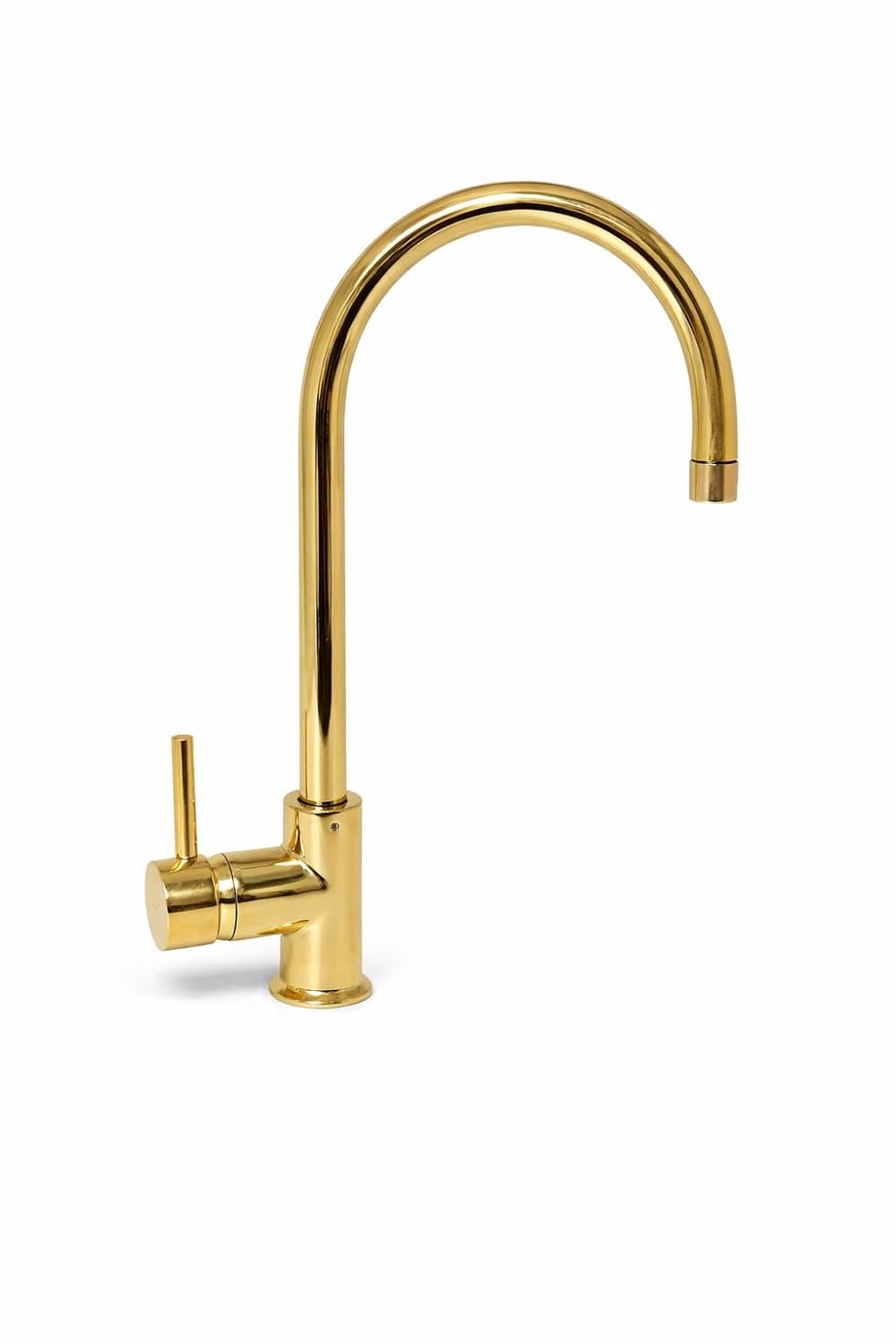
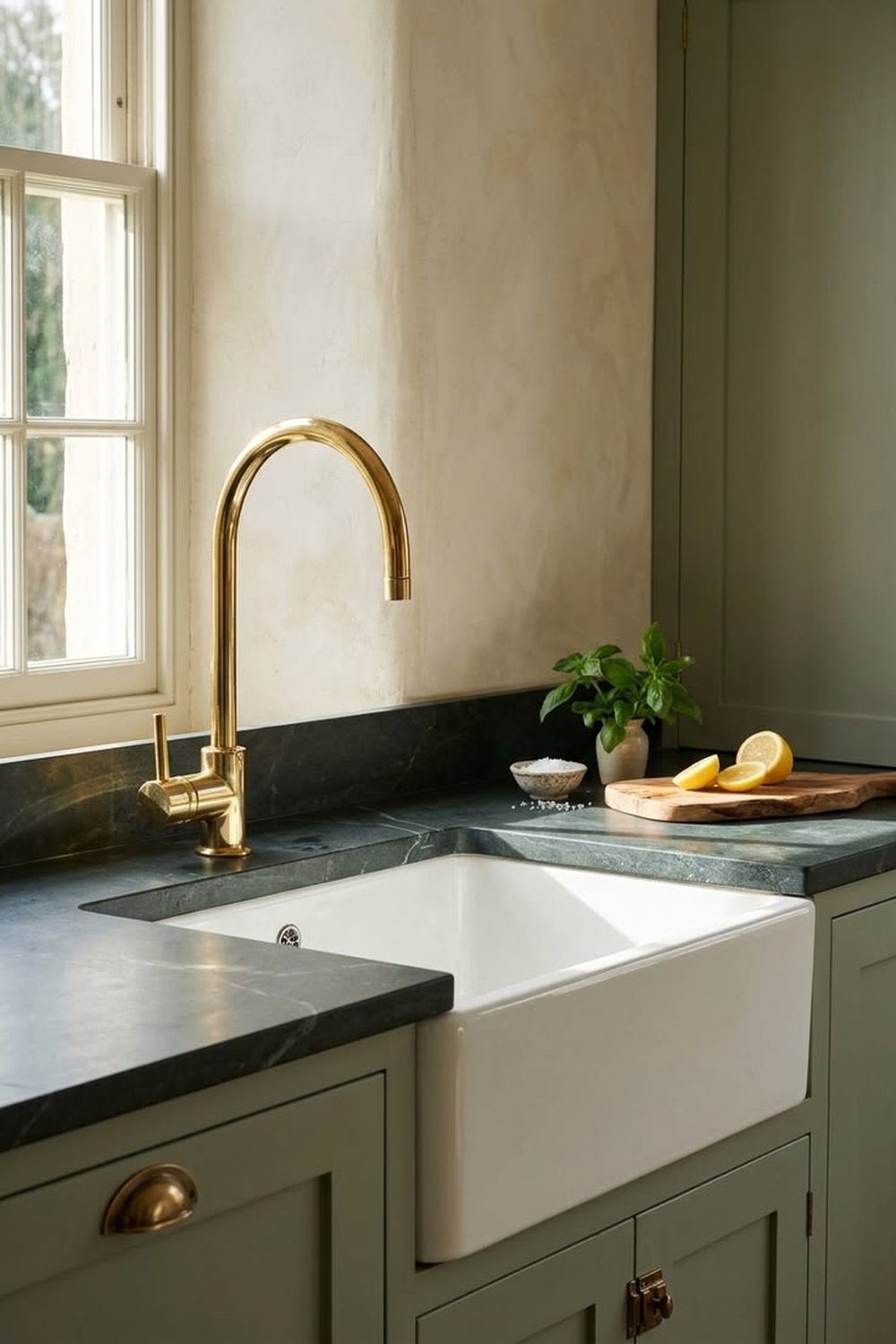
Unlacquered Brass Kitchen Faucet — Solid Brass Gooseneck Tap (Single Lever)
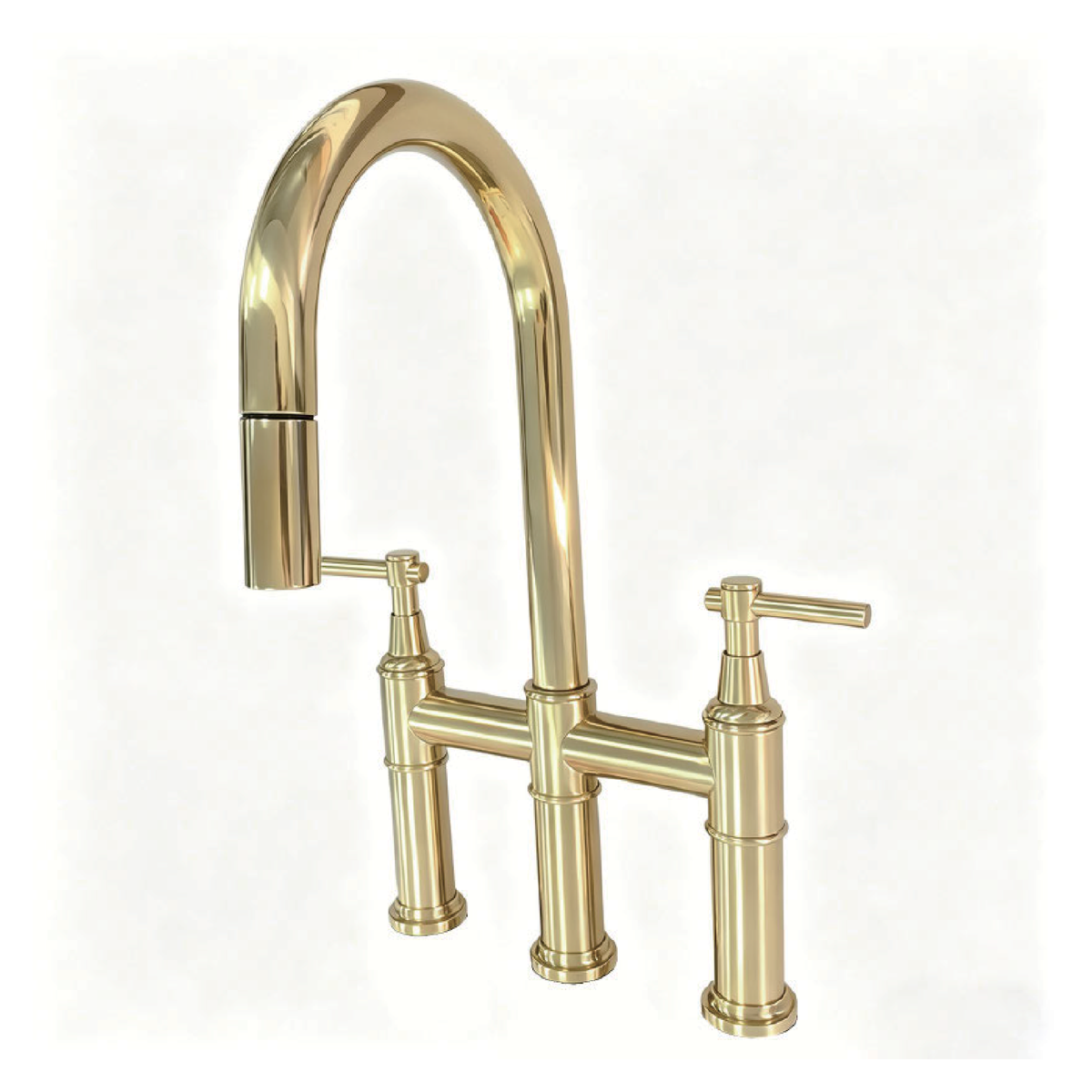
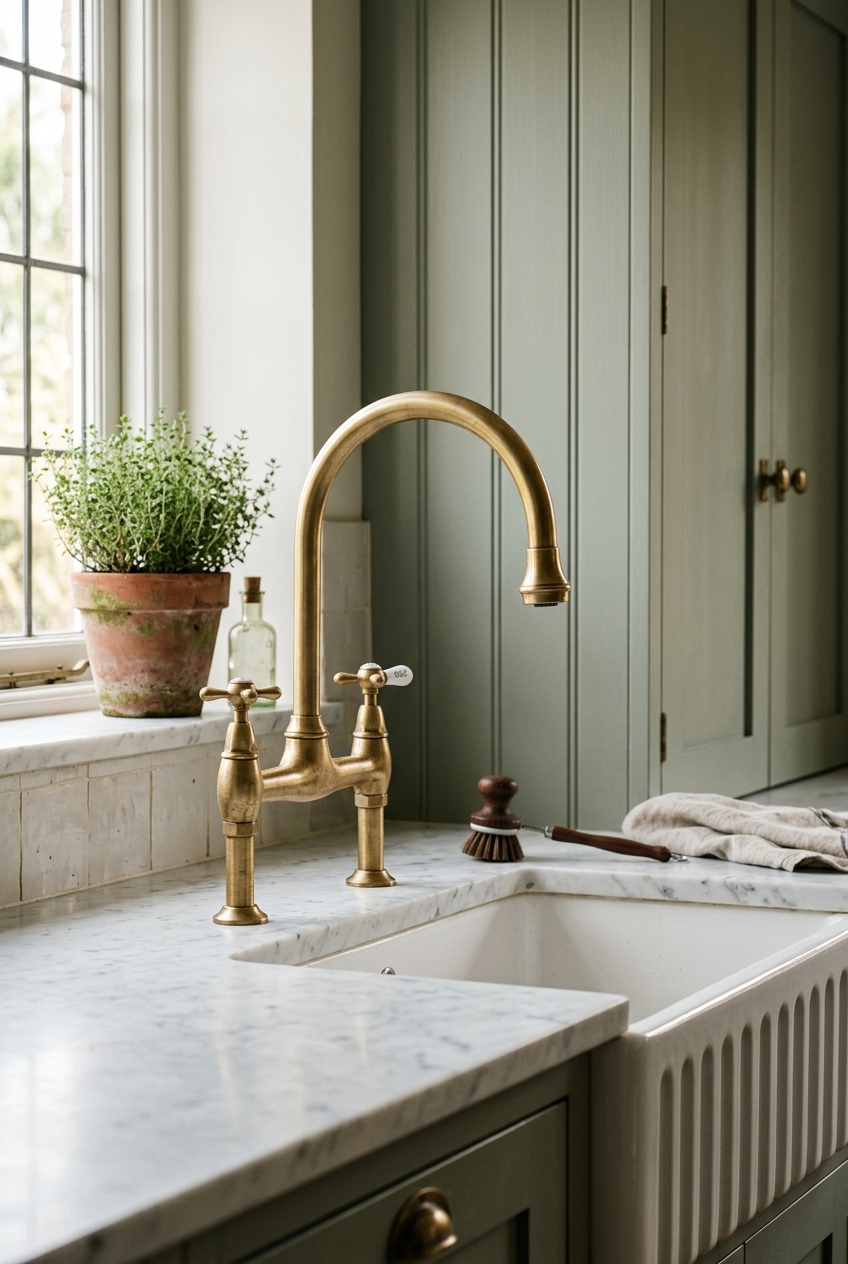
Handcrafted Unlacquered Brass Bridge Kitchen Faucet with Integrated Pull-Down Sprayer
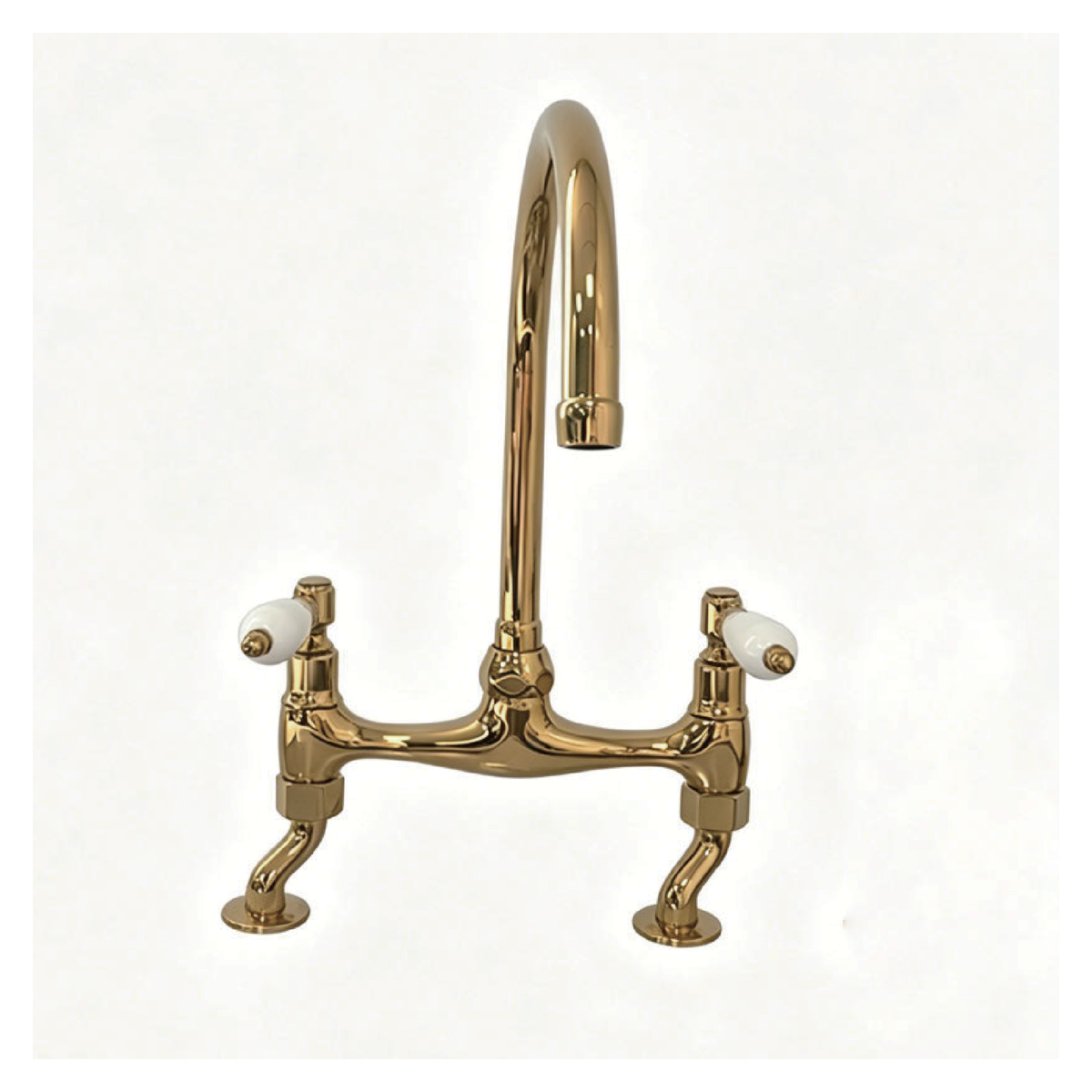
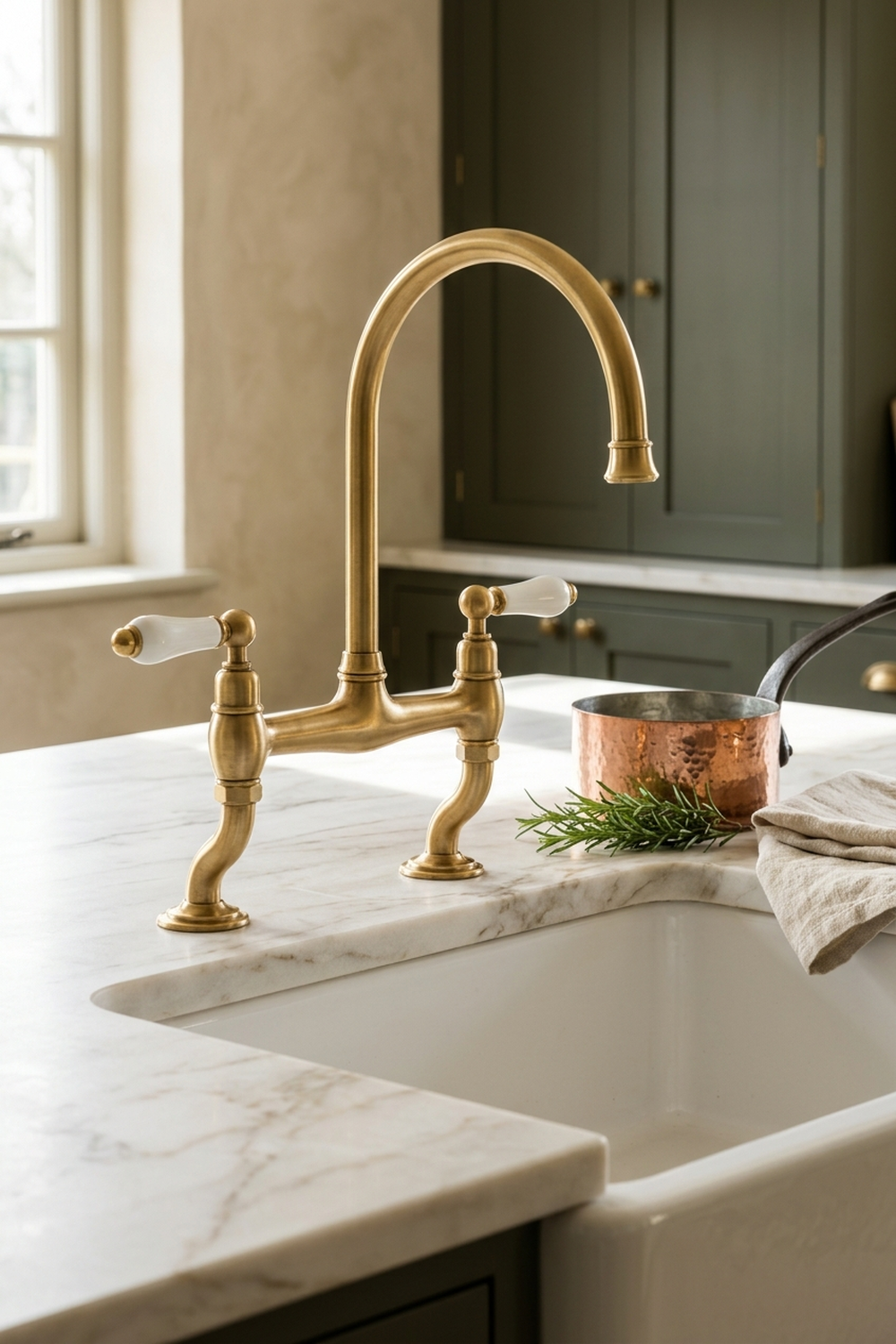
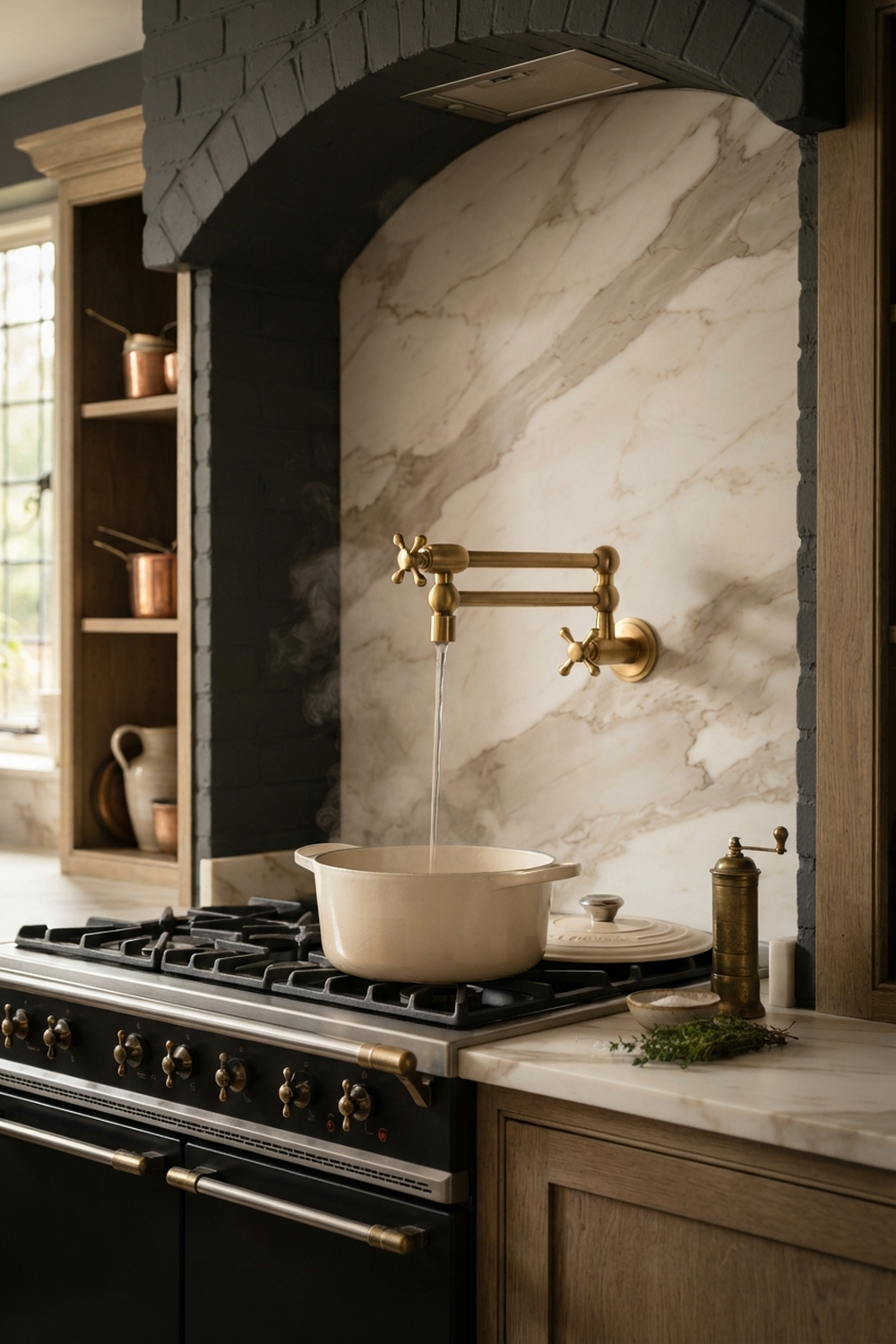
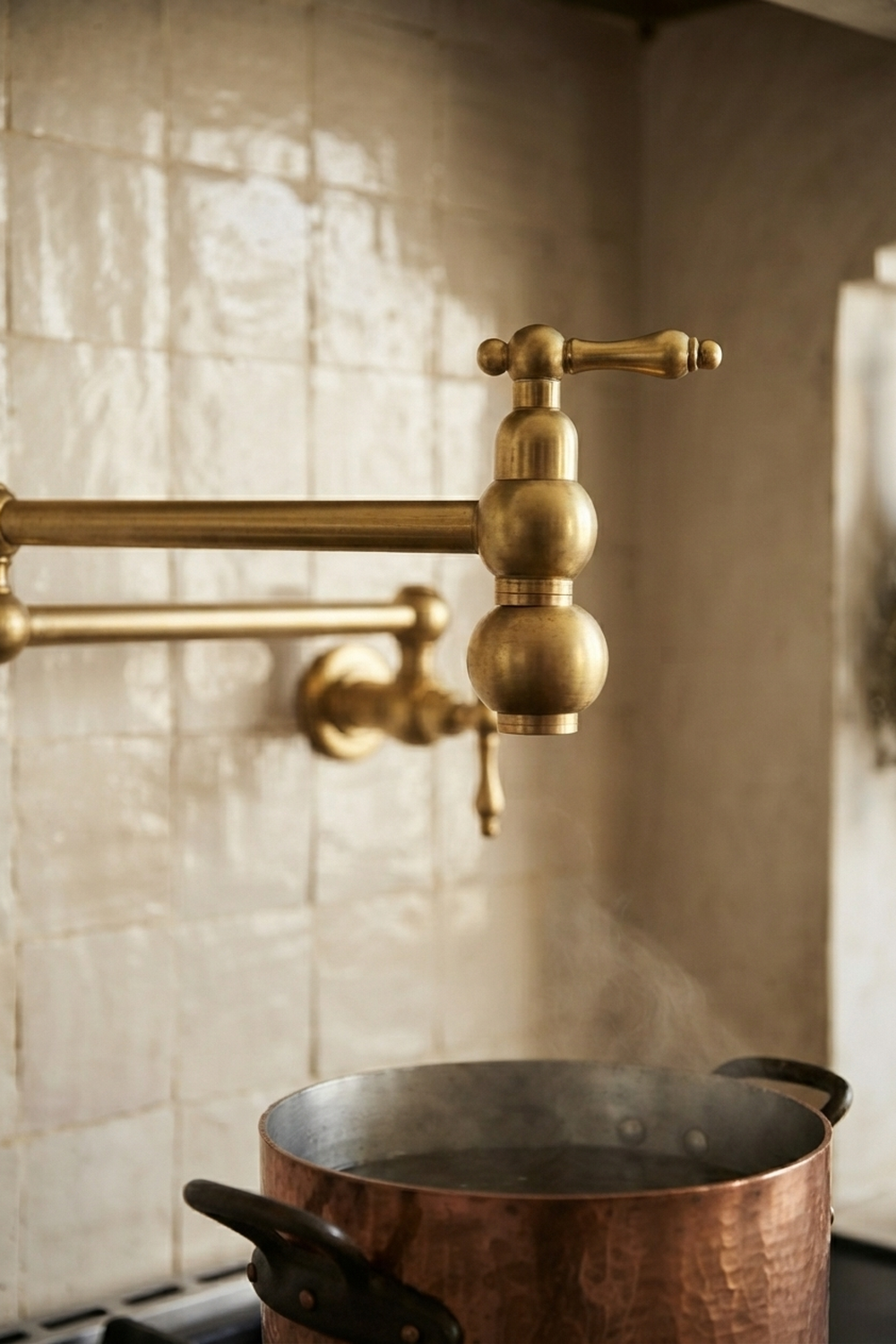
Modern Solid Brass Pot Filler Tap — Low-Profile Dual-Joint Wall-Mount Stove Faucet
Handcrafted Solid Living Brass