Handmade Brass Kitchen Faucets: What Hand-Forging & Sand-Casting Changes
A truly handmade brass kitchen faucet is cast from liquid molten brass in sand flasks, lathed manually on metal turns, and hand-buffed on natural cotton rotary wheels. Learn the structural and metallurgical differences between handmade brassware and stamped commercial die-castings.
Shop Featured Solid Unlacquered Brass Fixtures From This Study
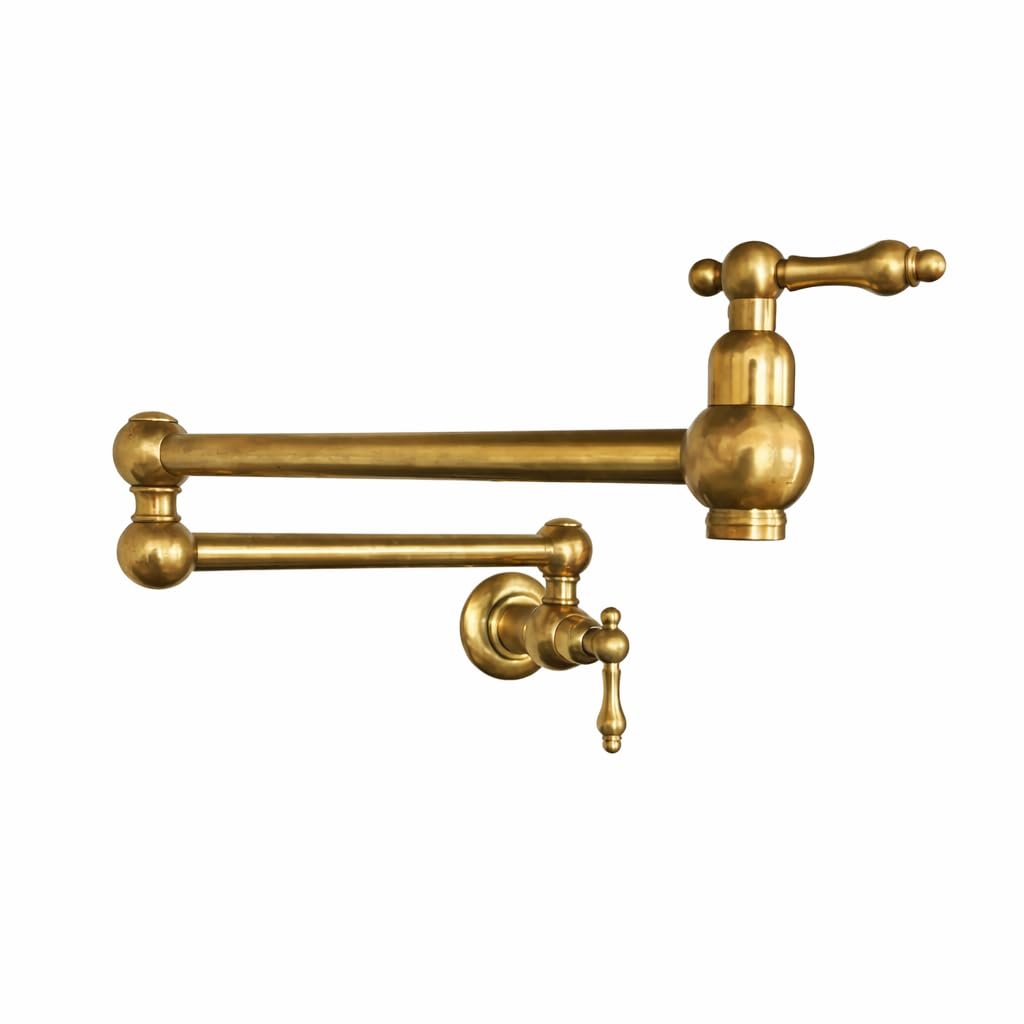
1. The 7-Step Sand-Casting Process: From Raw Ingot to Monolithic Tap
Every handmade Medina Brass kitchen faucet begins in a traditional Marrakech foundry. Master artisans mix virgin copper and zinc ingots in a clay graphite crucible, heating the alloy to 1,700°F (925°C) until it achieves molten fluidity.
The liquid brass is carefully hand-poured into natural clay-and-sand flask molds. As the metal cools and solidifies over several hours, the sand mold is fractured away to reveal a heavy, raw monolithic brass casting with subtle organic surface texture.
Artisan Solid Living Brass Featured in This Study
2. Manual Lathing, Precision Boring & NPT Threading
Once cooled, the raw casting moves to the lathing workshop. Skilled machinists hand-turn the gooseneck arcs, machine the valve chambers to micro-millimeter tolerances, and tap standard US 1/2" NPT pipe threads.
Unlike thin-wall automated fixtures that can cross-thread or strip under tightening torque, the heavy sand-cast brass threads on our faucets lock down securely with zero deformation.
3. Hand Rotary Buffing: Crafting the Living Finish
Rather than dipping fixtures into chemical tanks or spraying plastic polyurethane varnishes, our artisans buff each piece by hand using high-speed cotton rotary wheels and natural Tripoli abrasive paste.
This friction-buffing technique preserves the open pore structure of the virgin brass, allowing atmospheric oxygen and moisture to begin the natural oxidation process that creates our signature living patina.
4. Commercial-Grade Internal Ceramic Mechanics
A handcrafted exterior should never compromise modern mechanical performance. Beneath our sand-cast handles lie European-engineered diamond-polished ceramic disc cartridges rated for 500,000 open/close cycles under continuous 80 PSI municipal water pressure.
The precision ceramic plates provide silky smooth single-hand temperature modulation while remaining immune to hard-water mineral buildup and thermal fatigue.
5. How to Avoid Drop-Shipped Knockoffs Masquerading as Handmade
With the popularity of unlacquered brass surging, many online resellers market cheap drop-shipped zinc faucets as authentic handmade brass. Always verify the manufacturer provides exact metallurgical alloy specifications (65/35 binary brass), net product weights (over 6 lbs for kitchen faucets), and clear US 1/2" NPT compatibility documentation.
Medina Brass fixtures are handcrafted exclusively in Marrakech and backed by an ironclad 5-year craftsmanship guarantee with prompt US-based customer support.
Conservator's PrincipleNever introduce abrasive steel wool or caustic ammonia-based bathroom cleaners to raw unlacquered brass. Warm water with natural soap cleans dirt without stripping accumulated antique patina; a 30-second wipe with jeweler’s rouge or brass paste resets to Day 01 mirror gold anytime.
Frequently Addressed Inquiries
Why are handmade brass faucets heavier than big-box store faucets?
Handmade faucets are sand-cast from solid 65/35 virgin brass with thick, monolithic walls designed to handle intense hydraulic pressures. In contrast, mass-market manufacturers minimize raw metal usage to cut freight costs, utilizing ultra-thin stamped shells and lightweight plastic internal waterways.
How can you tell if a brass faucet is truly handmade and solid brass?
Perform the three definitive tests: 1) The Magnet Test: Solid brass is diamagnetic (magnets will never stick). If a magnet adheres, it is cheap plated steel. 2) The Weight Check: A solid kitchen faucet weighs at least 6 to 9 lbs. 3) The Texture Test: Sand-cast handmade brass exhibits subtle tactile grain on interior surfaces rather than glassy, automated injection-molded lines.
Do handmade brass kitchen faucets meet California low-lead drinking water laws?
Yes. Medina Brass casts strictly from virgin binary 65/35 copper-zinc ingots free of post-consumer scrap lead or recycled electronic waste. All our potable water pathways comply with Section 1417(d) of the US Safe Drinking Water Act and California AB 1953 low-lead standards.
Can you install a handmade brass faucet with an undermount farmhouse sink?
Yes. Our faucets feature extra-long threaded solid brass mounting shanks (up to 2.25 inches of deck clearance) designed to pass securely through thick granite, marble, quartzite, or butcher block countertop slabs.
Authoritative Standards, Codes & Technical References
Primary metallurgical benchmark for solid 65/35 copper-zinc binary alloy density (8.53 g/cm³), tensile yield, and natural cuprous oxide passivation.
North American mechanical engineering standard governing US 1/2" NPT thread geometry, hydrostatic burst pressure (500 PSI), and 500,000-cycle ceramic disc valve endurance.
Cultural heritage documentation of traditional Marrakech foundry sand-casting, hand-chiseled engraving, and Moroccan architectural arts.
Industrial specification governing sand-cast brass wall thickness, porosity testing, and alloy chemical composition.
Handcrafted Brass Featured in This Study
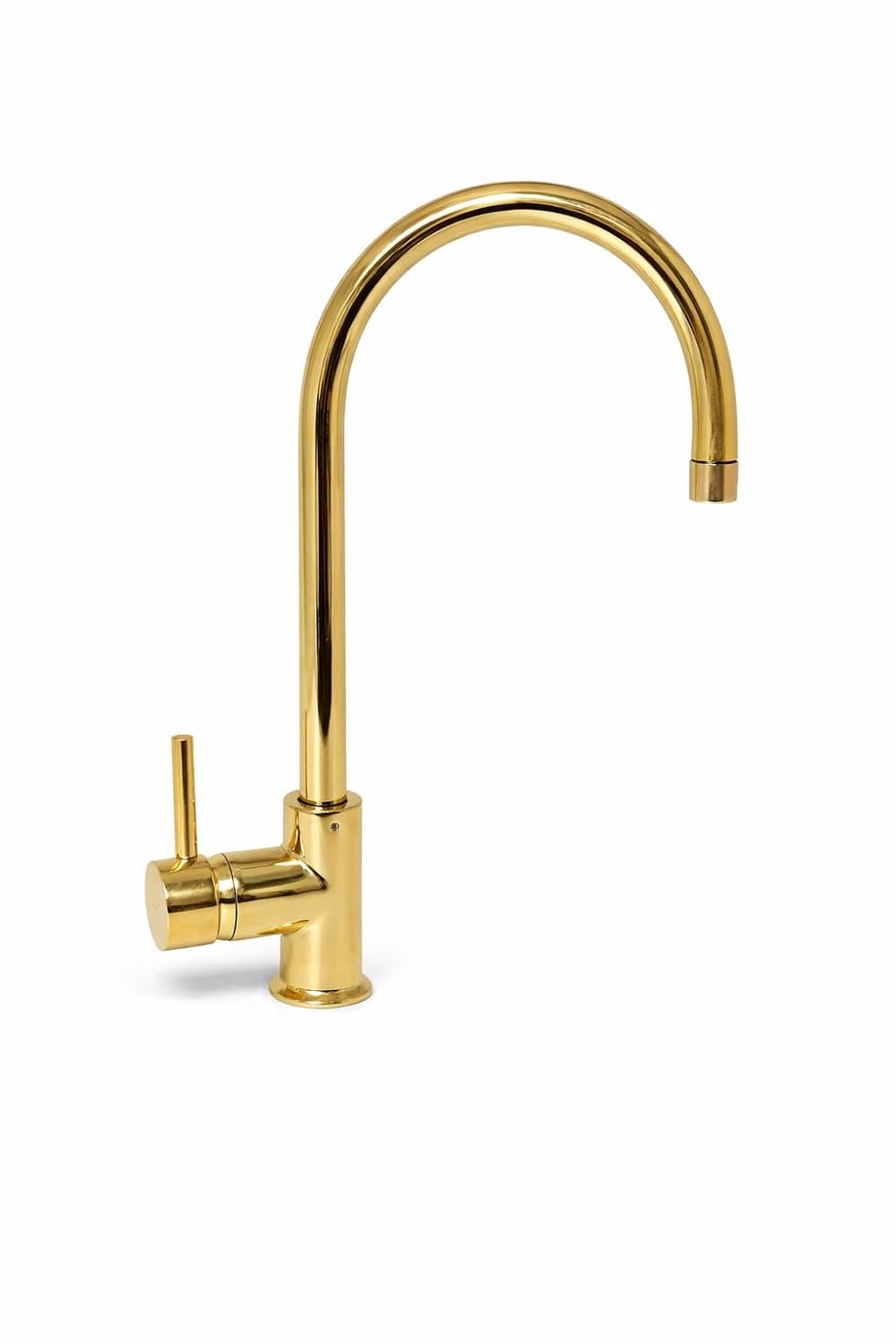
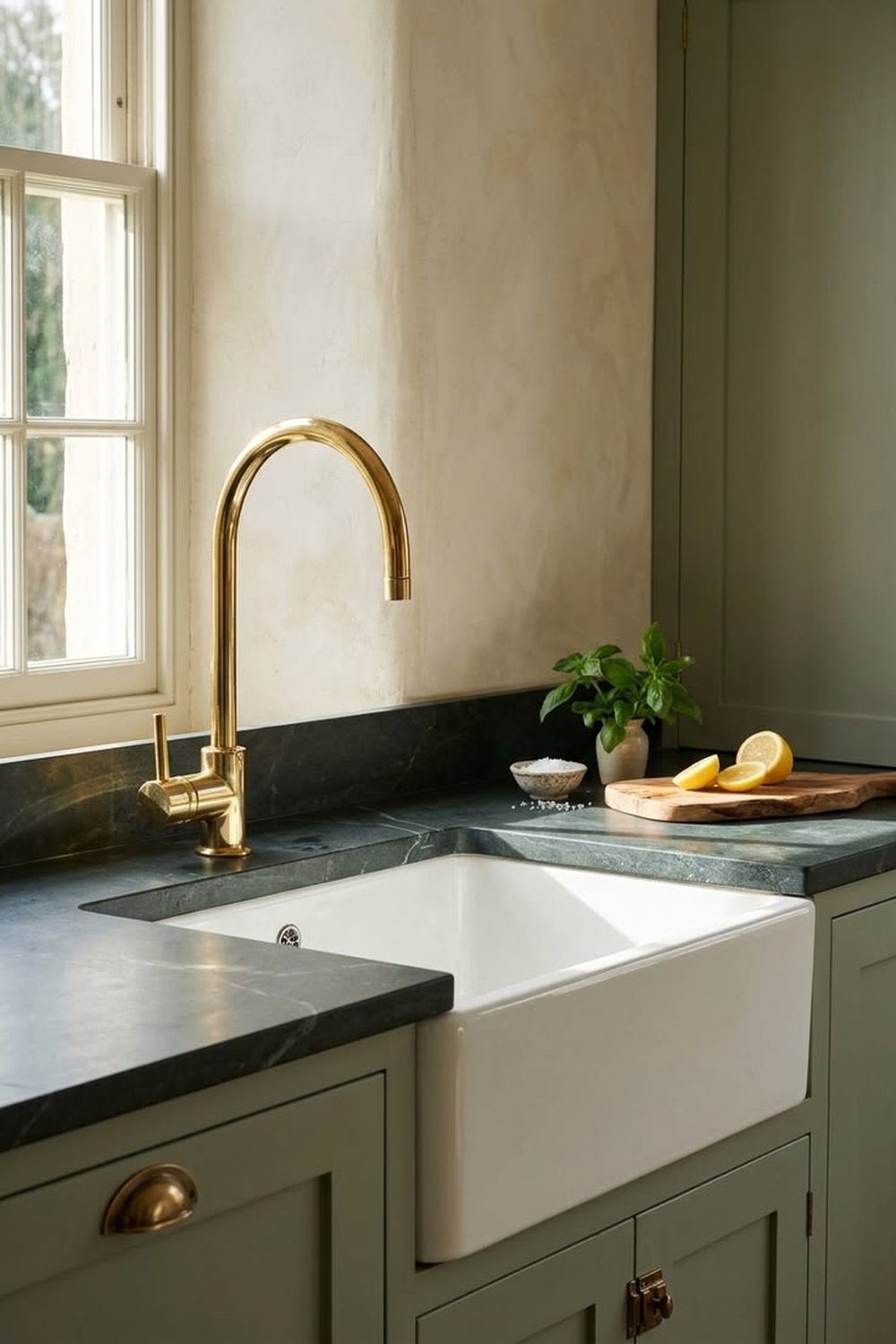
Unlacquered Brass Kitchen Faucet — Solid Brass Gooseneck Tap (Single Lever)
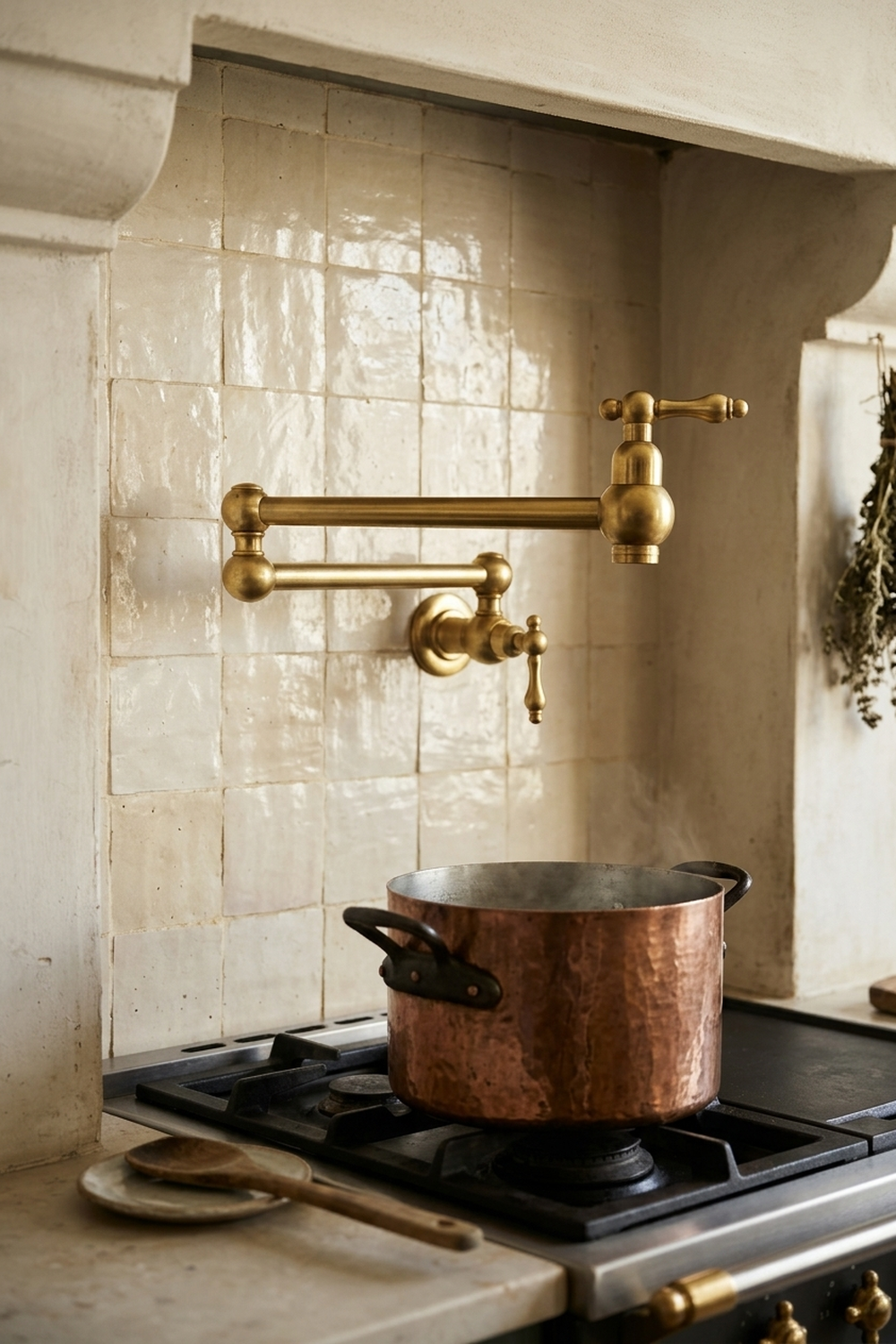
Solid Brass Pot Filler Faucet — Wall-Mounted Dual Articulating (24" Reach)
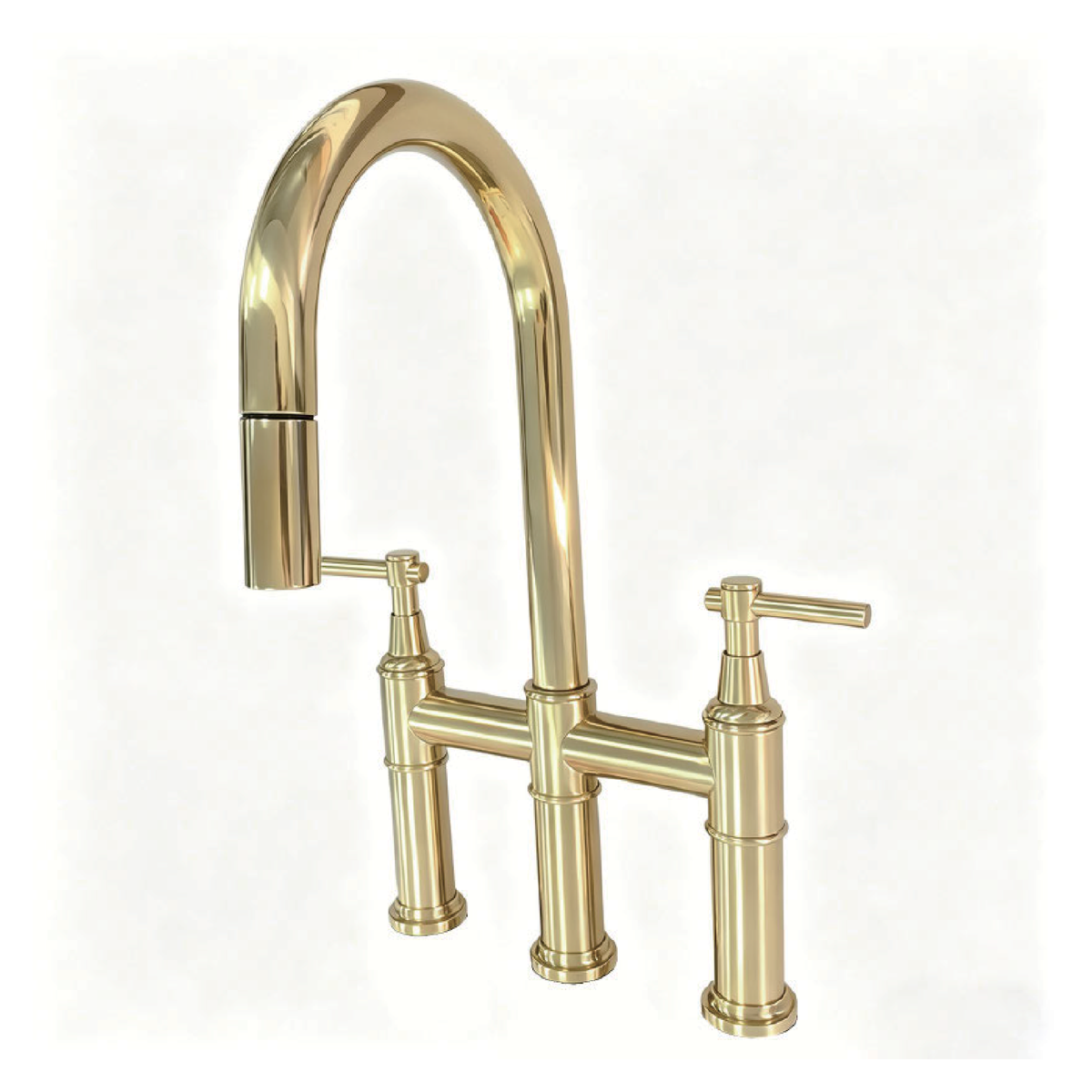
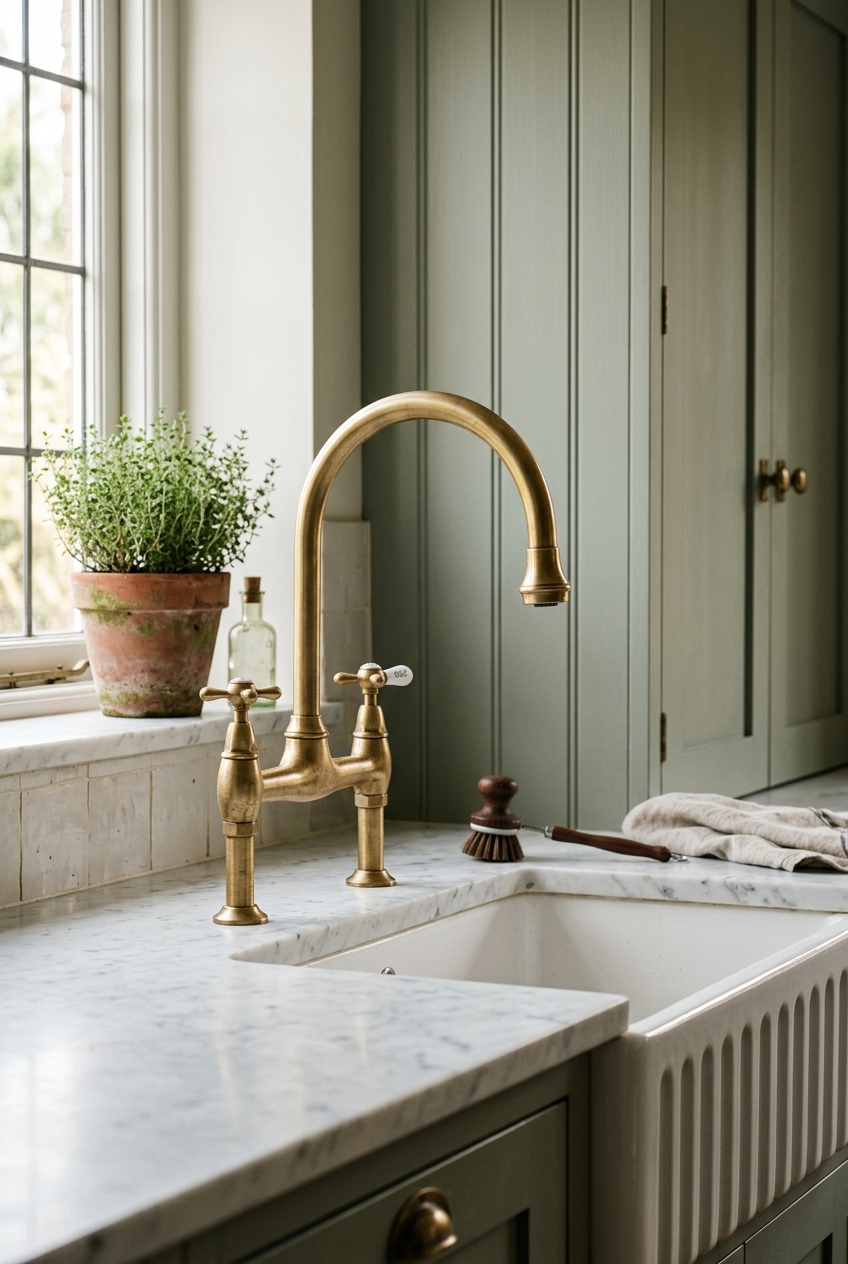
Handcrafted Unlacquered Brass Bridge Kitchen Faucet with Integrated Pull-Down Sprayer
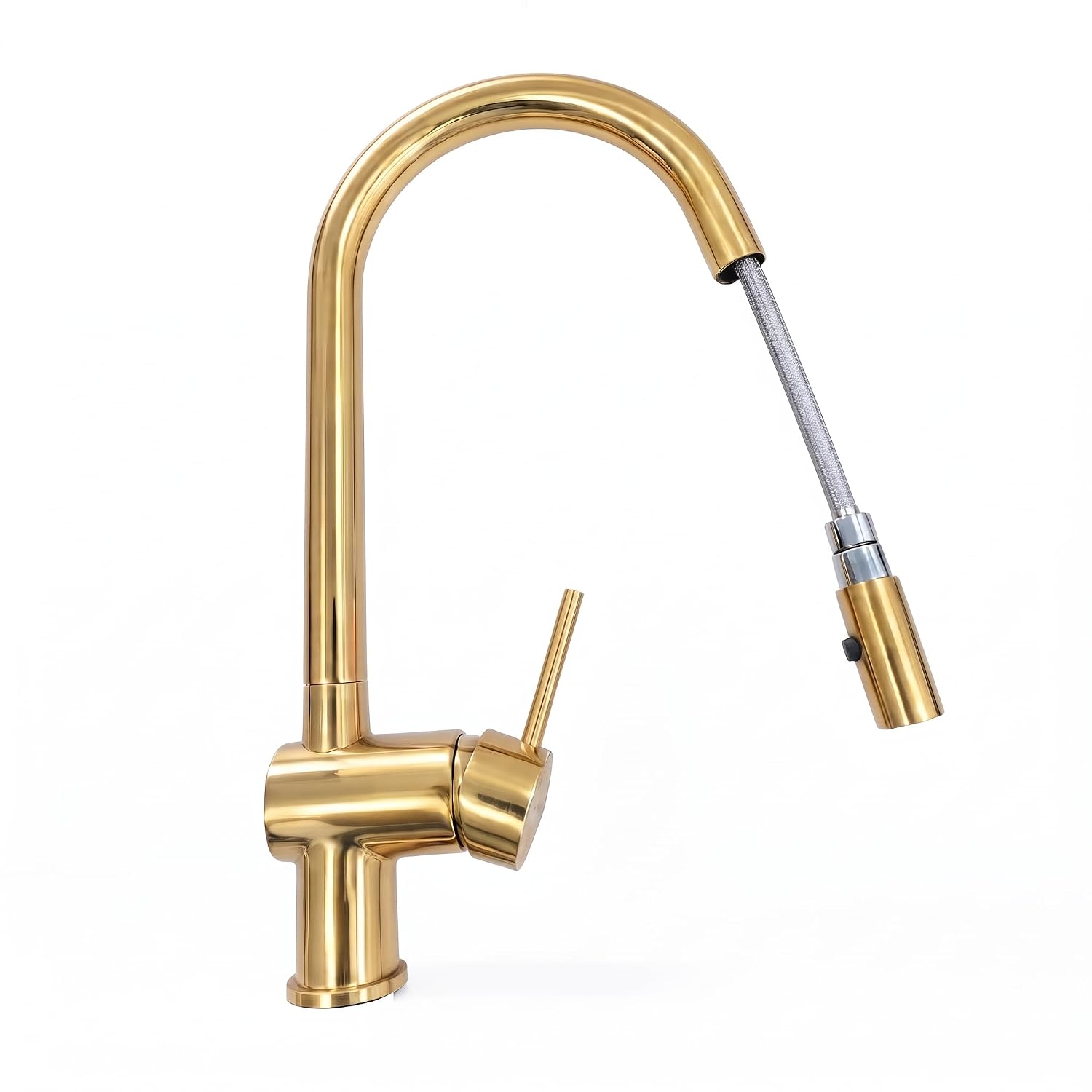
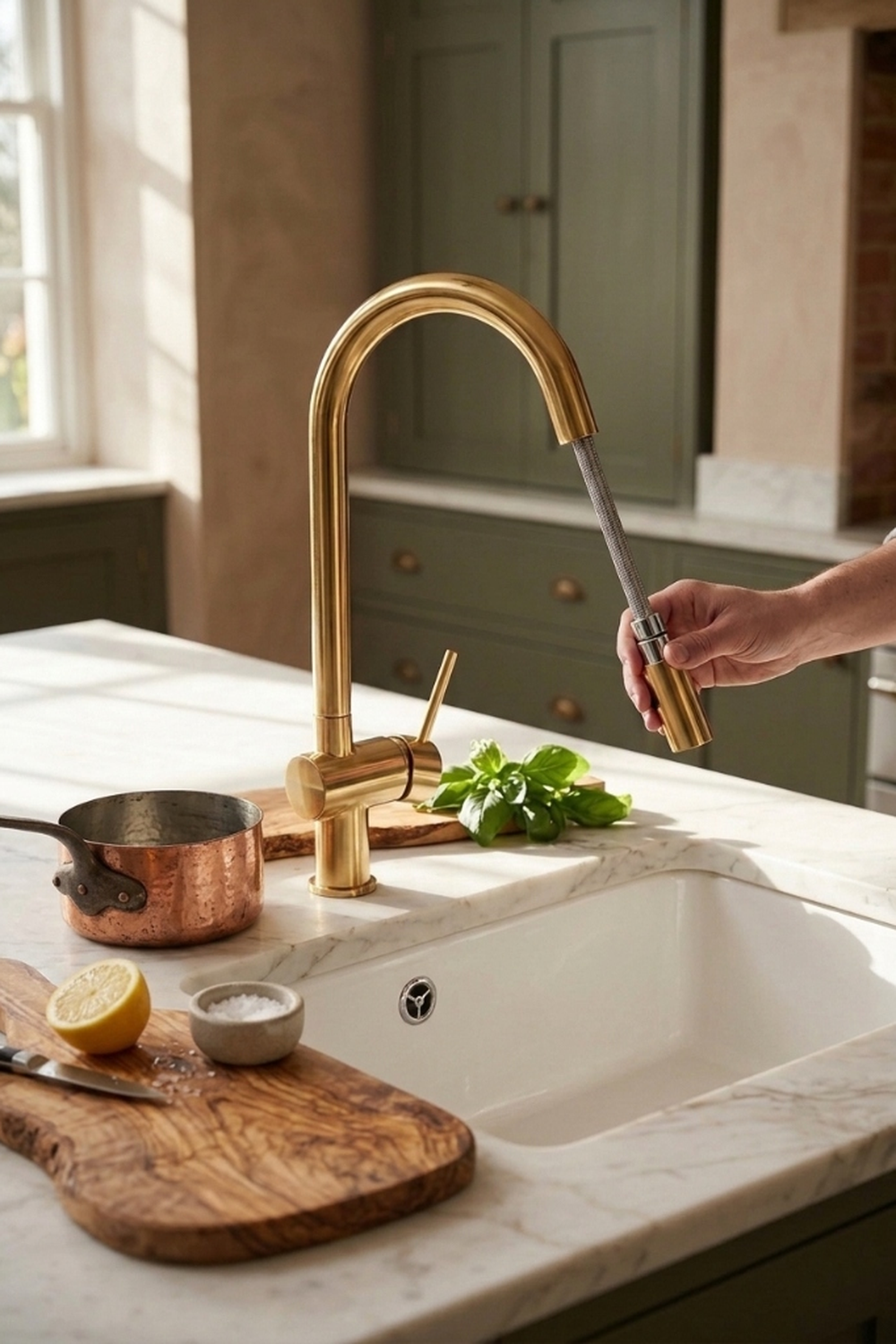
Modern Monobloc Culinary Pull-Down Kitchen Faucet in Solid Living Brass
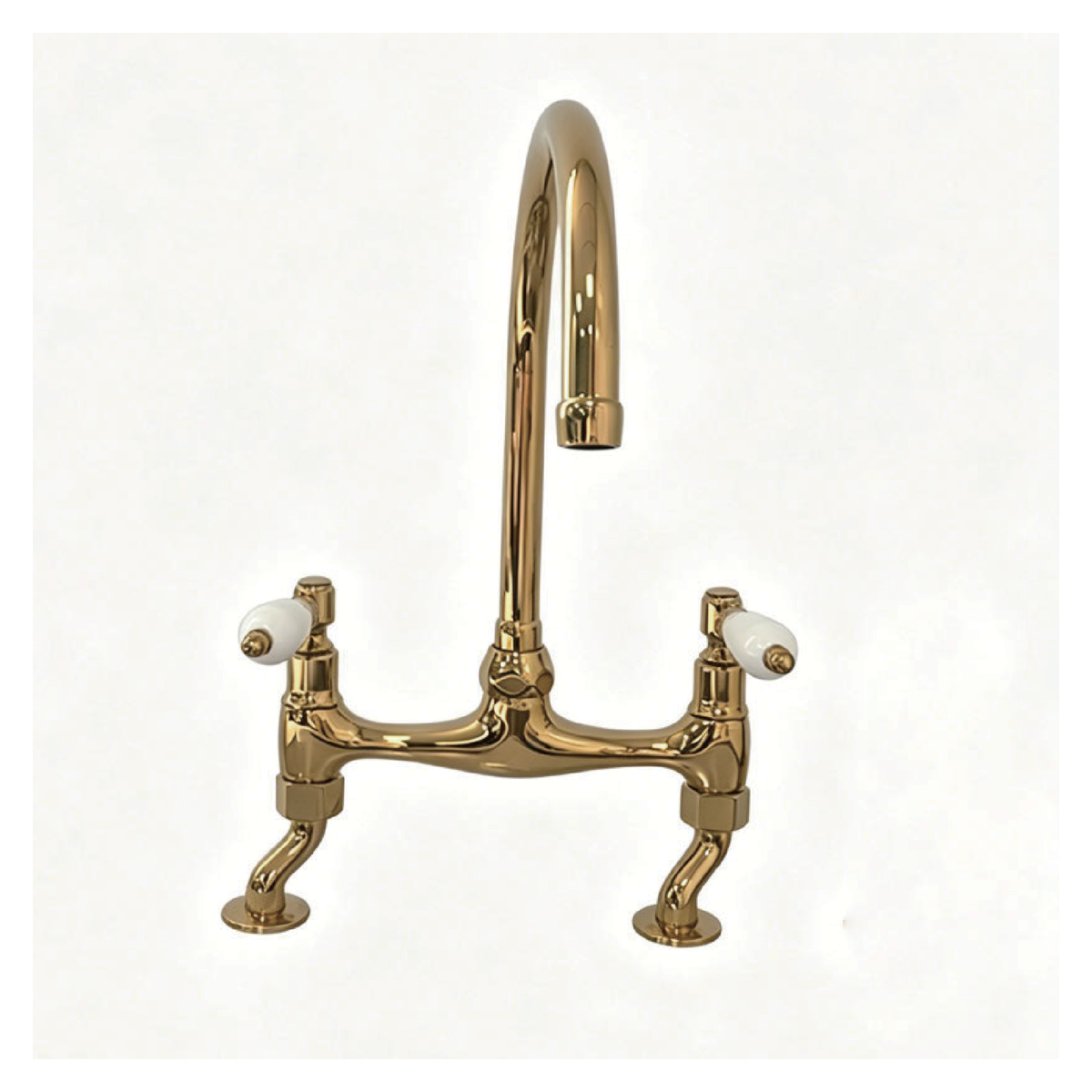
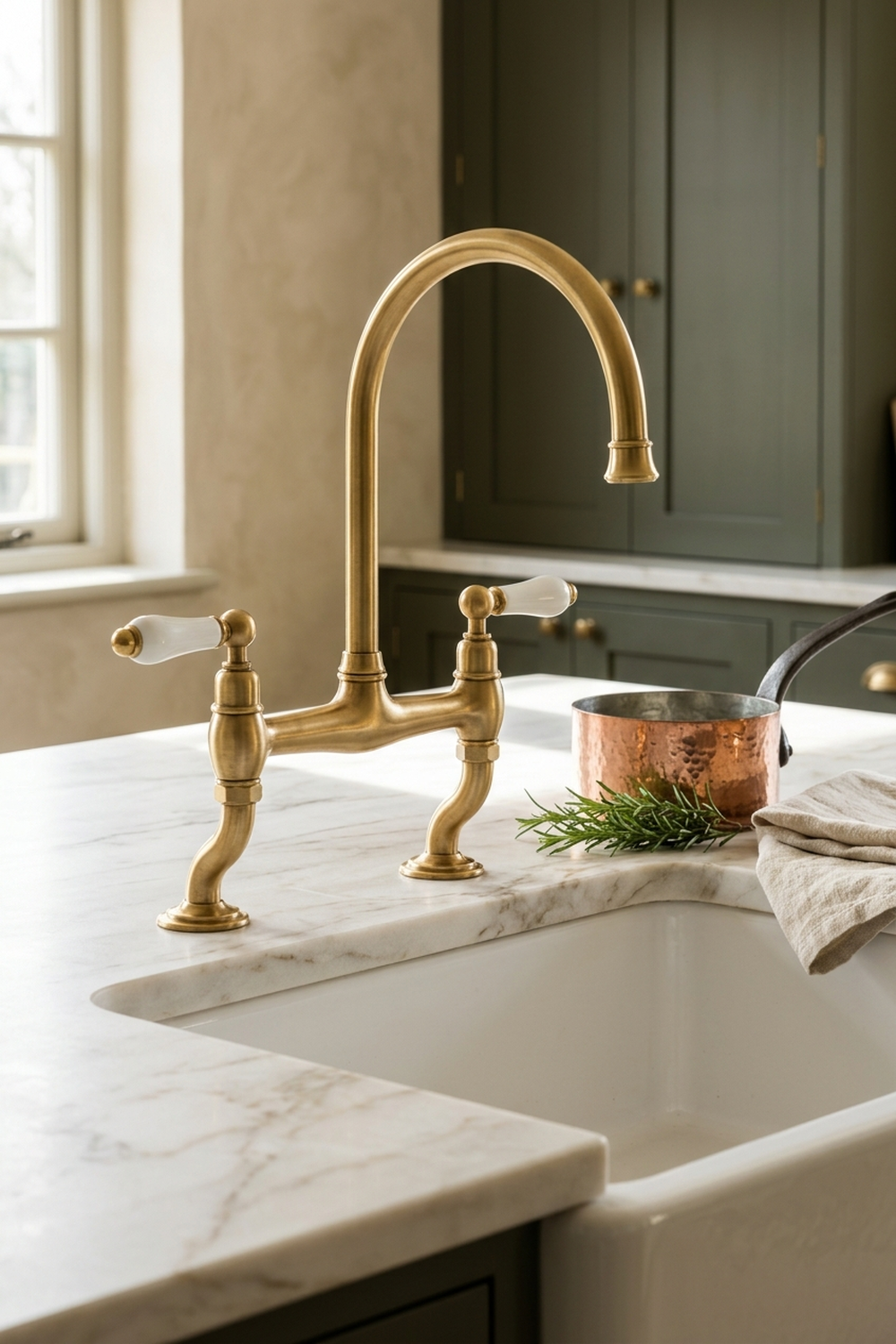
Handcrafted Solid Living Brass