Solid Brass vs. Stainless Steel & Plated Faucets: Cost, Patina, Hygiene & Lifespan
Choosing between a solid unlacquered brass faucet, a 304 stainless steel faucet, or a plated zinc faucet impacts your kitchen’s hygiene, maintenance, and 50-year durability. Compare metallurgical density, EPA antimicrobial efficacy, valve serviceability, and total cost of ownership.
Shop Featured Solid Unlacquered Brass Fixtures From This Study
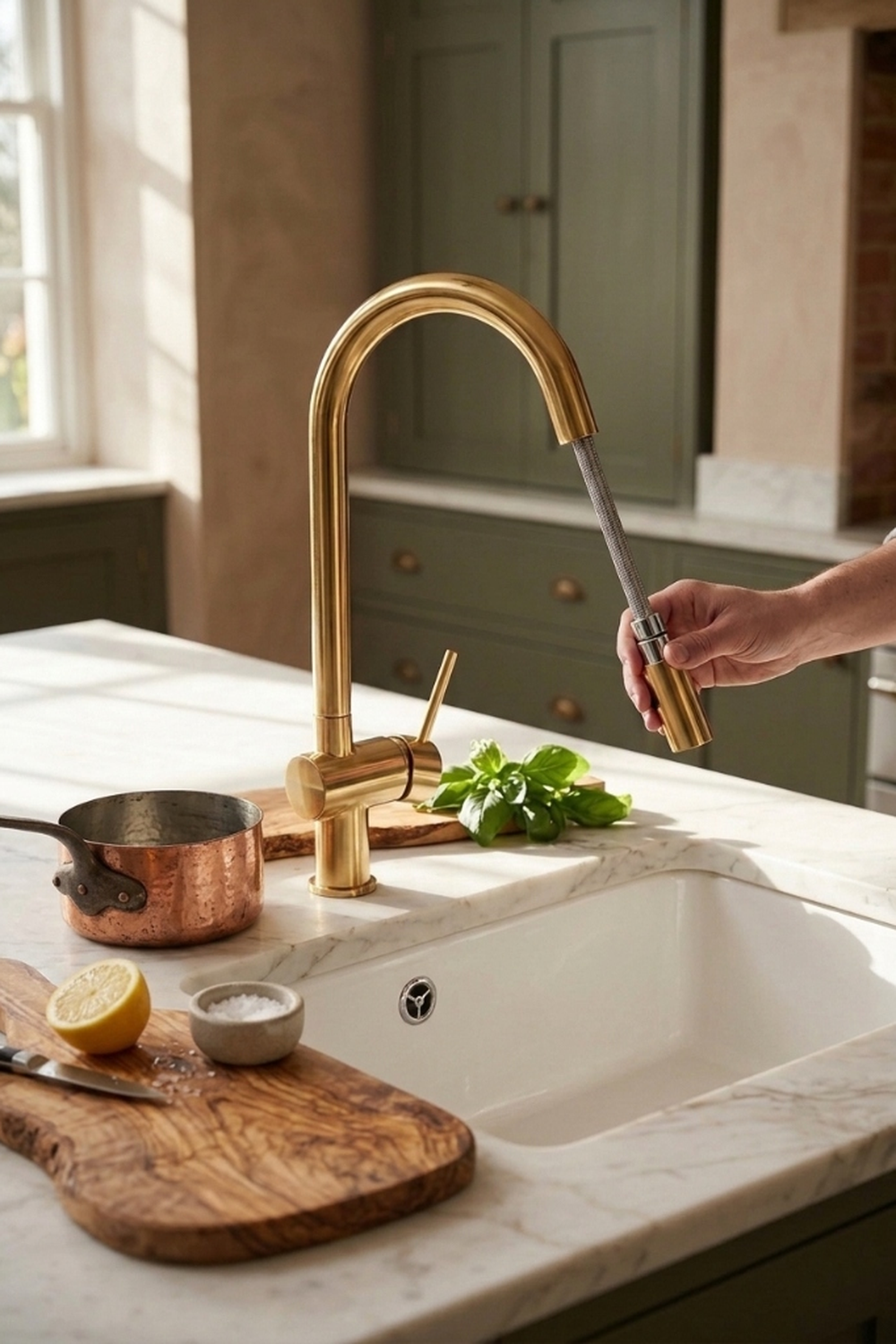
1. Solid Brass vs. Plated Zinc & Nickel Plated Hardware: The Core Metallurgy Test
Nearly 80% of sub-$250 faucets marketed online as "brushed nickel," "chrome," or "brushed gold" conceal a hollow die-cast zinc-aluminum core (Zamak) or a thin metal shell stuffed with cross-linked PEX plastic tubing. Once municipal chlorine and thermal cycling attack a zinc core, microscopic pinholes blister through the electroplated skin.
By contrast, every Medina Brass fixture is sand-cast and turned from monolithic 65% copper / 35% zinc virgin ingot. If you accidentally strike a solid unlacquered brass spout with a heavy cast-iron Dutch oven, there is no plating to chip—only solid golden brass underneath that self-heals with patina.
Artisan Solid Living Brass Featured in This Study
2. Solid Brass vs. Stainless Steel: Tactile Warmth & Oligodynamic Copper Hygiene
While 304 stainless steel is a respectable utilitarian metal for commercial restaurant sinks, it feels cold and industrial in a residential kitchen and offers zero natural defense against cross-contamination when raw poultry or unwashed hands touch the faucet lever.
Because unlacquered solid brass leaves 65% pure copper ions exposed directly at the handle surface, the oligodynamic effect continuously disrupts bacterial cell membranes on contact—making a living brass faucet both warmer to the eye and cleaner to the touch.
Conservator's PrincipleNever introduce abrasive steel wool or caustic ammonia-based bathroom cleaners to raw unlacquered brass. Warm water with natural soap cleans dirt without stripping accumulated antique patina; a 30-second wipe with jeweler’s rouge or brass paste resets to Day 01 mirror gold anytime.
Frequently Addressed Inquiries
Why are internal plumbing valves almost always made of brass even in luxury homes?
Master plumbers specify solid brass for rough-in valves and faucet bodies because copper-zinc alloy resists dezincification, never rusts, absorbs water-hammer vibration, and machines into leak-proof NPT tapered threads without seizing.
What is the difference between solid brass and nickel-plated or chrome-plated brass?
Solid unlacquered brass is bare 65/35 copper-zinc all the way through to the surface. Nickel-plated or chrome-plated brass electroplates a thin silver layer over a brass core; if that plating is scratched or attacked by hard water, it cannot be polished without stripping the silver plating.
Does a solid brass kitchen faucet increase home resale value more than stainless steel?
Yes. In luxury real estate appraisals, bespoke architectural hardware—such as a handcrafted unlacquered brass bridge faucet and matching pot filler—is cited directly in listing sheets alongside marble countertops and professional ranges.
Authoritative Standards, Codes & Technical References
Primary metallurgical benchmark for solid 65/35 copper-zinc binary alloy density (8.53 g/cm³), tensile yield, and natural cuprous oxide passivation.
North American mechanical engineering standard governing US 1/2" NPT thread geometry, hydrostatic burst pressure (500 PSI), and 500,000-cycle ceramic disc valve endurance.
Museum and historic preservation protocol for non-abrasive cleaning, microcrystalline wax sealing, and organic patina stabilization on unlacquered architectural brass.
Federal clinical registration confirming uncoated solid brass and copper alloys continuously eliminate 99.9% of surface bacteria within 2 hours.
Handcrafted Brass Featured in This Study
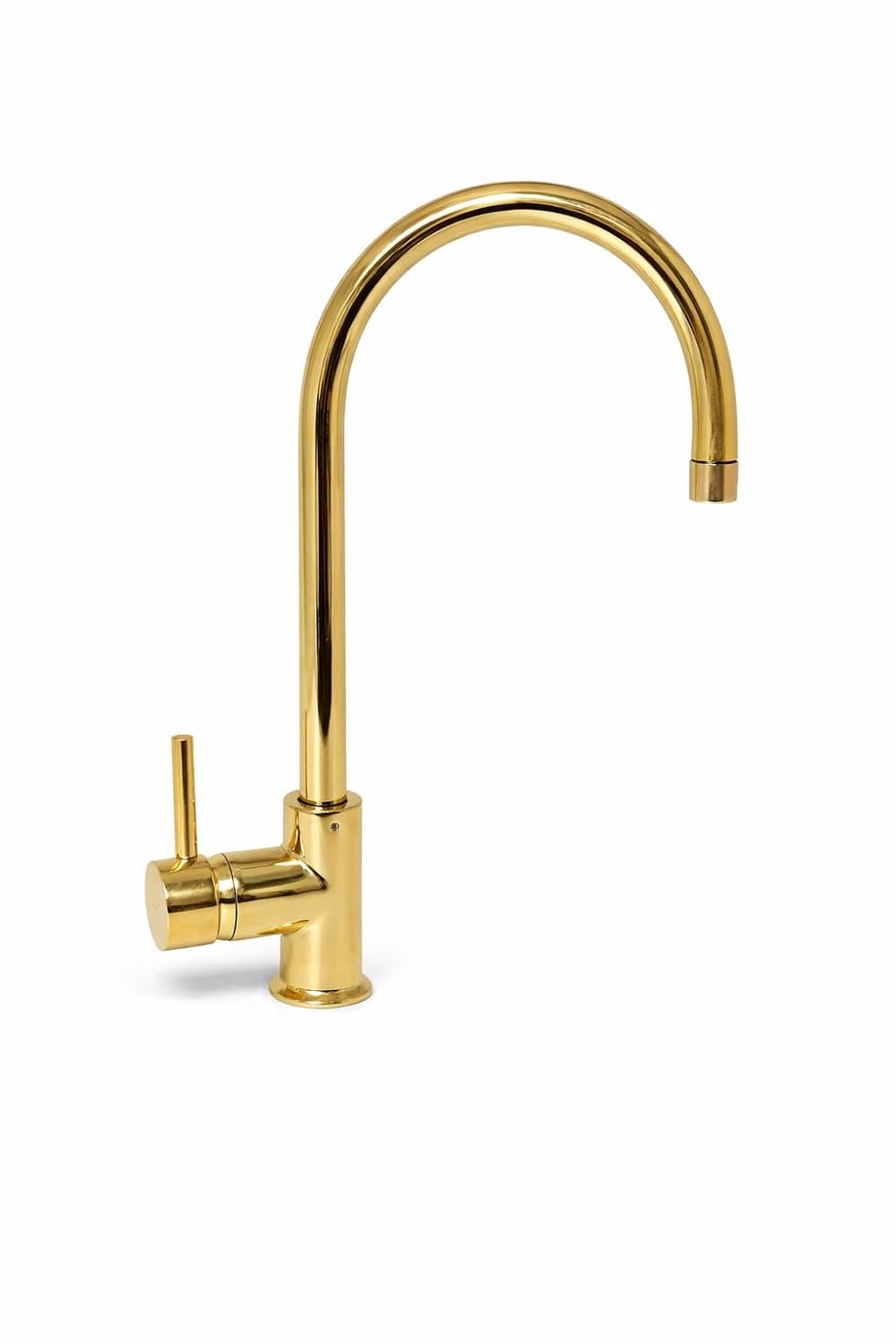
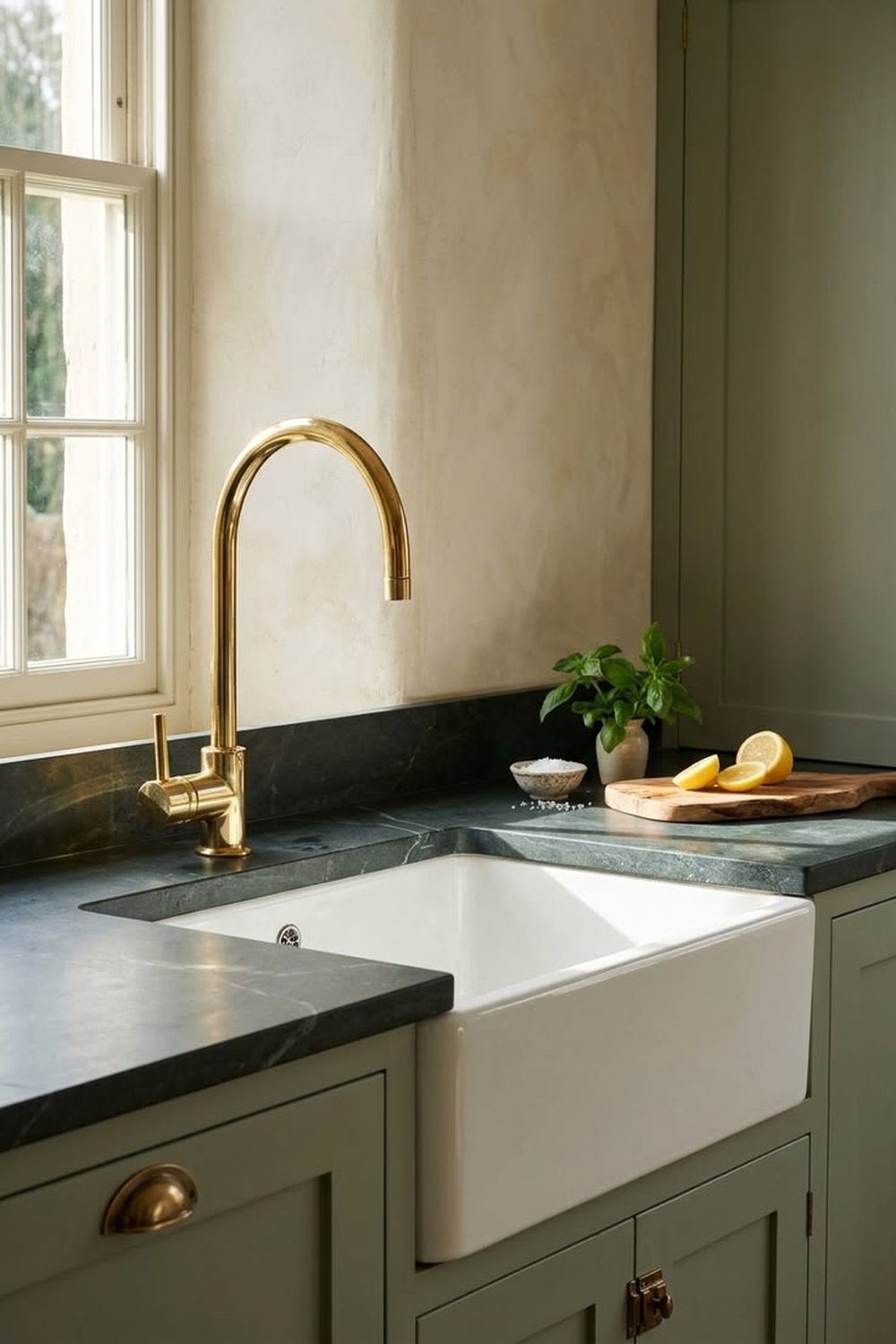
Unlacquered Brass Kitchen Faucet — Solid Brass Gooseneck Tap (Single Lever)
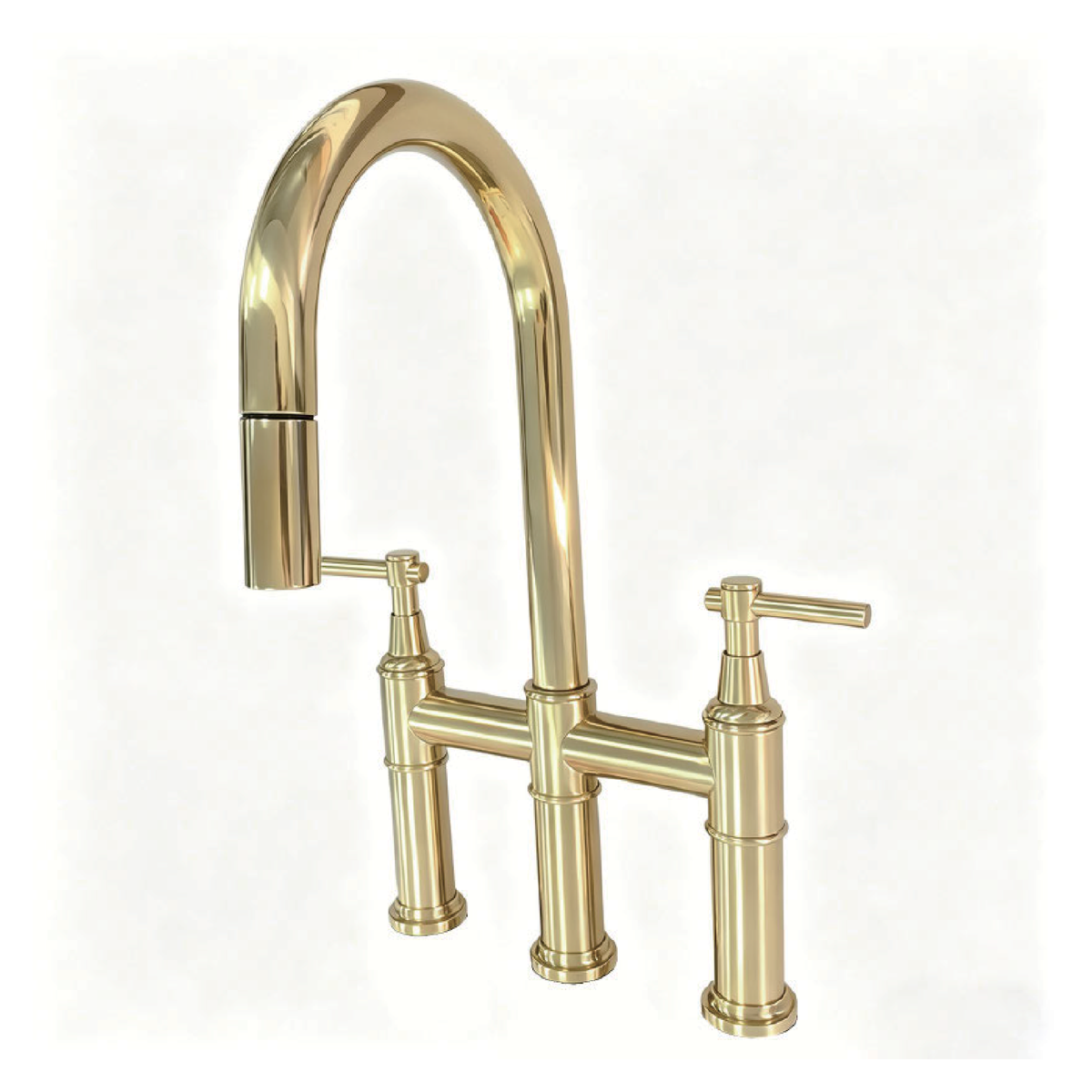
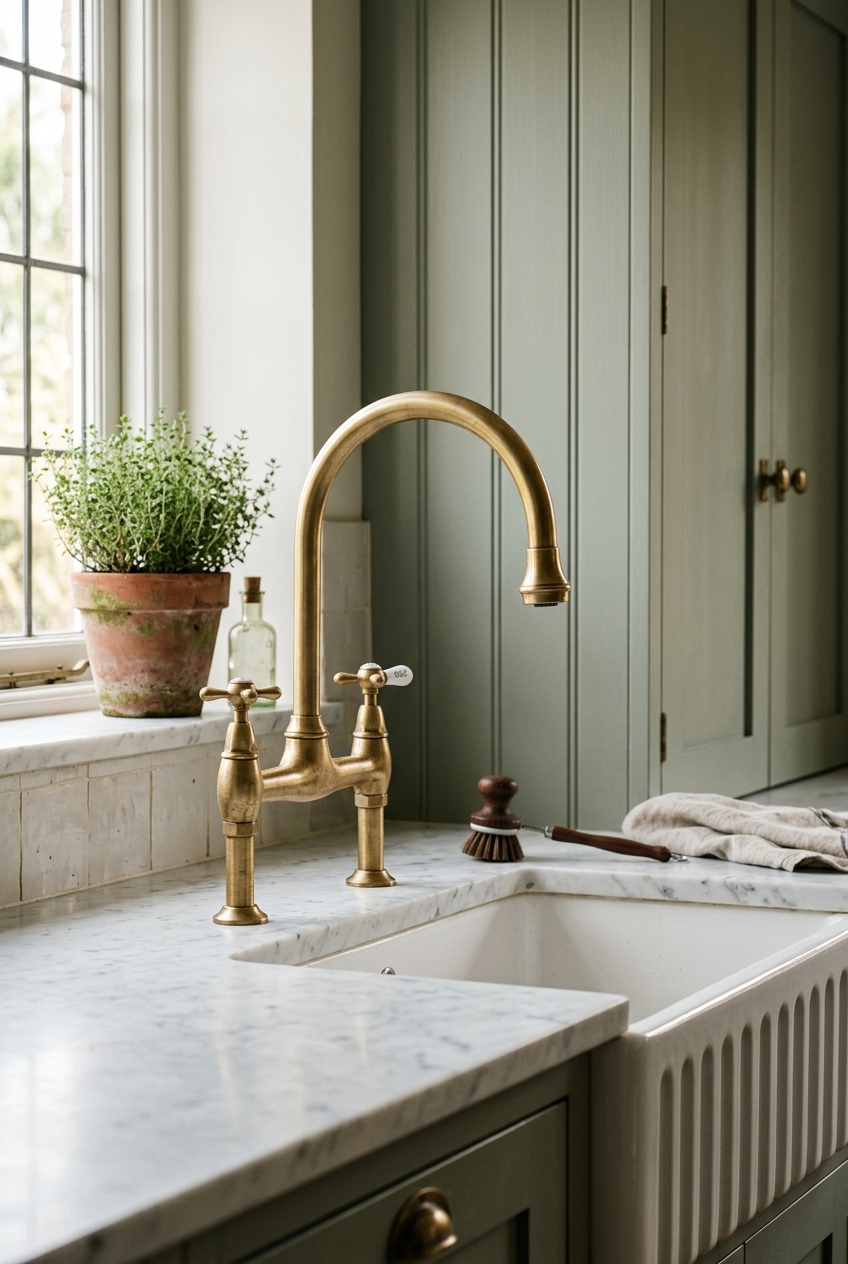
Handcrafted Unlacquered Brass Bridge Kitchen Faucet with Integrated Pull-Down Sprayer
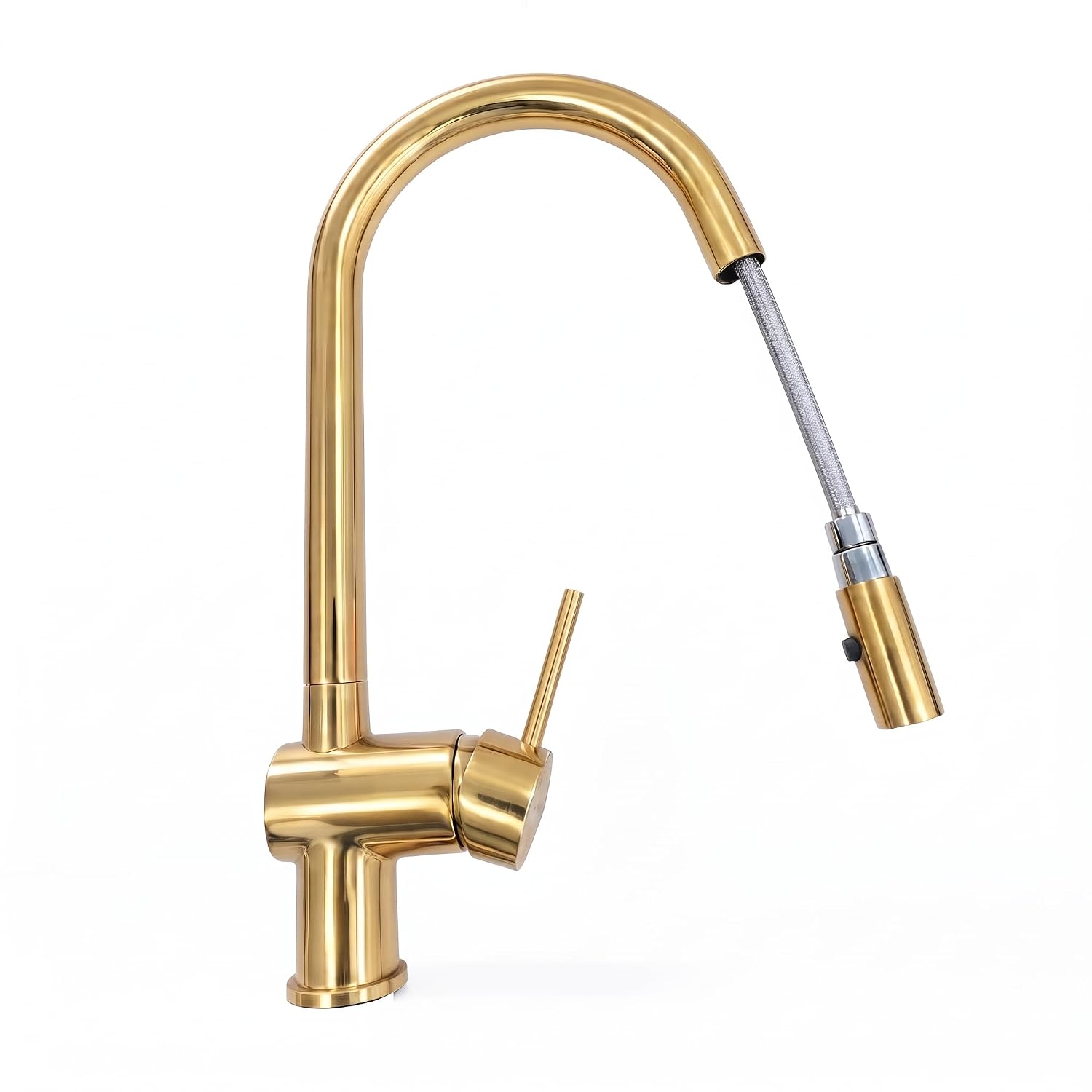
Modern Monobloc Culinary Pull-Down Kitchen Faucet in Solid Living Brass
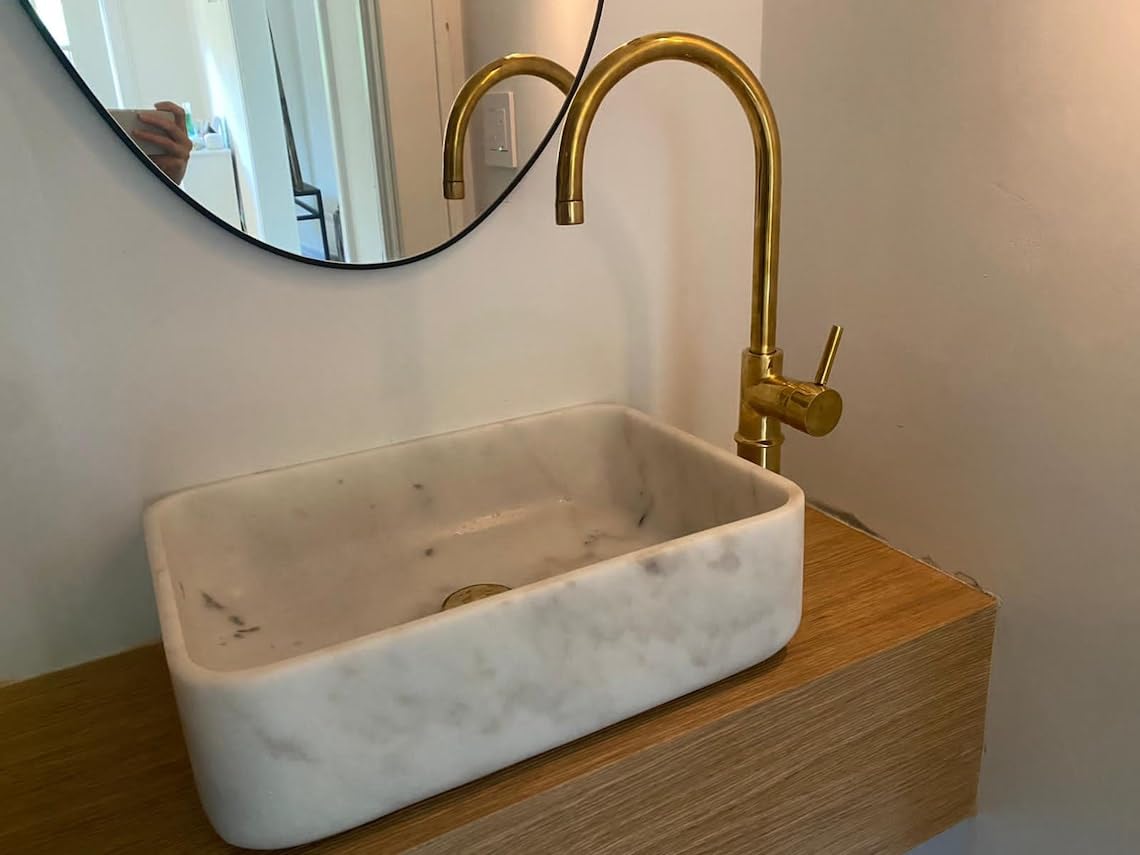
Solid Brass Kitchen Faucet with Matching Soap Dispenser & Ceramic Disc Valve
Handcrafted Solid Living Brass