Brass Kitchen Faucet with Stainless Steel Sink: The Designer's Pairing Guide
Wondering if you can pair an unlacquered brass faucet with a stainless steel sink? Learn how leading interior designers master the art of mixed metals, balancing the warm living glow of Moroccan brass with the industrial resilience of commercial stainless steel.
Shop Featured Solid Unlacquered Brass Fixtures From This Study
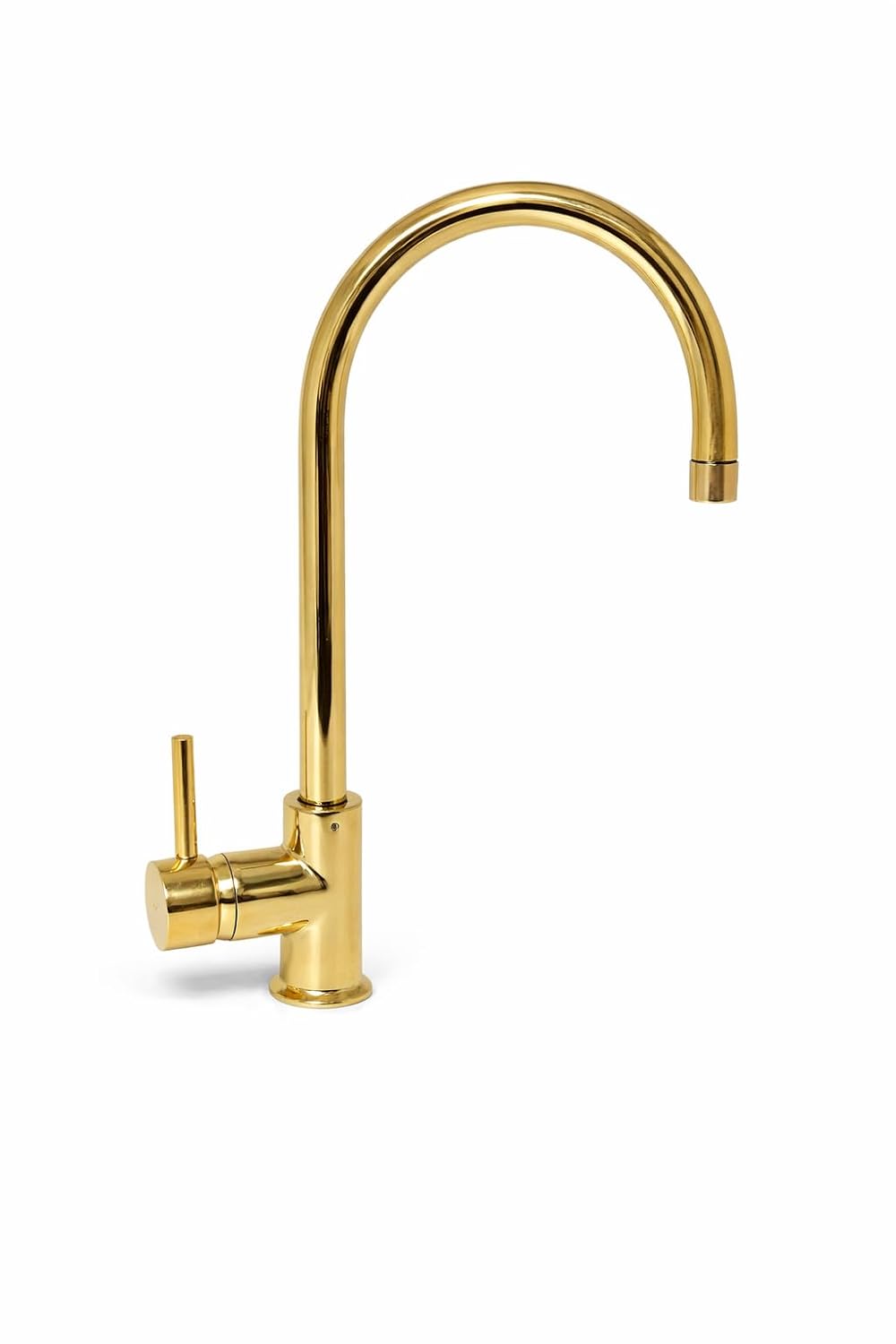
1. The Mixed-Metal Revolution: Moving Beyond Matching Metallics
For decades, standard kitchen remodeling advice dictated matching all metals: stainless appliances required a stainless faucet, chrome required chrome, and brass was avoided if appliances had nickel trim.
Today, architectural design embraces multi-layered finishes. Pairing warm living brass with commercial-grade stainless steel introduces tension and character, transforming a utilitarian kitchen into a layered, chef-inspired scullery.
Artisan Solid Living Brass Featured in This Study
2. The Golden Ratio of Metal Mixing: Balancing Cool Steel and Warm Living Brass
Successful metal mixing follows the 70/30 rule. In culinary spaces, stainless steel naturally provides the 70% foundation across refrigerators, 36-inch commercial ranges, dishwashers, and deep undermount sink bowls.
Unlacquered brass provides the 30% accent layer, focused where hands make tactile contact: the high-arc kitchen tap, countertop soap pump, and cabinet drawer pulls.
3. Undermount vs. Drop-In: The Countertop Reveal Rule
To ensure seamless harmony between brass and steel, always specify an undermount sink basin with a zero-reveal or slight negative reveal. This allows the countertop material—such as honed soapstone, marble, or quartzite—to bridge the transition between the warm brass faucet deck and the steel basin.
Drop-in (top-mount) sinks create an awkward overlapping rim where the faucet base sits directly adjacent to wide steel flanges, diluting the visual impact.
4. The Drain Flange Secret: Tying the Scullery Suite Together
The single most effective design trick when pairing a brass faucet with a stainless basin is installing our matching solid unlacquered brass sink strainer basket or garbage disposal collar.
Placing a golden brass drain ring at the bottom of a brushed steel bowl immediately establishes that the combination is an intentional, curated design choice.
5. Countertop & Backsplash Pairings for Brass-and-Stainless Workspaces
Complete the scullery aesthetic by grounding the workspace in authentic materials. Deep charcoal soapstone slabs or warm white Calacatta marble countertops provide ideal neutral backdrops.
For the backsplash, handcrafted Moroccan zellige or neutral bejmat tile reflects light between the gleaming stainless steel water stream and the warm, living brass gooseneck.
Conservator's PrincipleNever introduce abrasive steel wool or caustic ammonia-based bathroom cleaners to raw unlacquered brass. Warm water with natural soap cleans dirt without stripping accumulated antique patina; a 30-second wipe with jeweler’s rouge or brass paste resets to Day 01 mirror gold anytime.
Frequently Addressed Inquiries
Does pairing a brass faucet with a stainless steel sink look accidental or mismatched?
No, provided it is executed with intention. The key design rule is the 70/30 or 60/40 mixed-metal ratio: let stainless steel dominate major appliances and the sink basin, while unlacquered brass commands the faucet, countertop soap dispenser, and cabinet hardware.
What sink drain finish should be used with a brass faucet and stainless sink?
Designers strongly recommend installing a matching solid brass strainer basket or garbage disposal flange inside the stainless steel sink basin. This anchors the brass finish onto the sink floor, demonstrating that the pairing is a deliberate architectural statement.
Is galvanic corrosion an issue between a brass faucet and a stainless steel sink?
No. In residential plumbing, the brass faucet body is mounted directly through the countertop slab (in undermount sink setups) rather than metal-to-metal against the stainless bowl. Furthermore, our faucets include thick non-conductive rubber isolation gaskets and brass horseshoe locknuts.
Which Medina Brass faucets look best with an undermount stainless steel sink?
For contemporary and transitional kitchens, our Single-Hole Gooseneck Mixer (Model amz-faucet-01) and Modern Culinary Pull-Down (MB-CUL-011) provide sleek vertical height that complements clean-lined stainless steel basins.
Authoritative Standards, Codes & Technical References
Primary metallurgical benchmark for solid 65/35 copper-zinc binary alloy density (8.53 g/cm³), tensile yield, and natural cuprous oxide passivation.
North American mechanical engineering standard governing US 1/2" NPT thread geometry, hydrostatic burst pressure (500 PSI), and 500,000-cycle ceramic disc valve endurance.
Potable water safety standard verifying zero toxic leaching and lead-free compliance (<0.25% weighted average lead on wetted surfaces).
Federal statutory requirement governing lead-free residential kitchen, pot filler, and bathroom drinking water fixtures across all 50 US states.
Building inspector code reference for backflow prevention, air gaps, shut-off valves, and fixture supply rough-in geometry.
Handcrafted Brass Featured in This Study
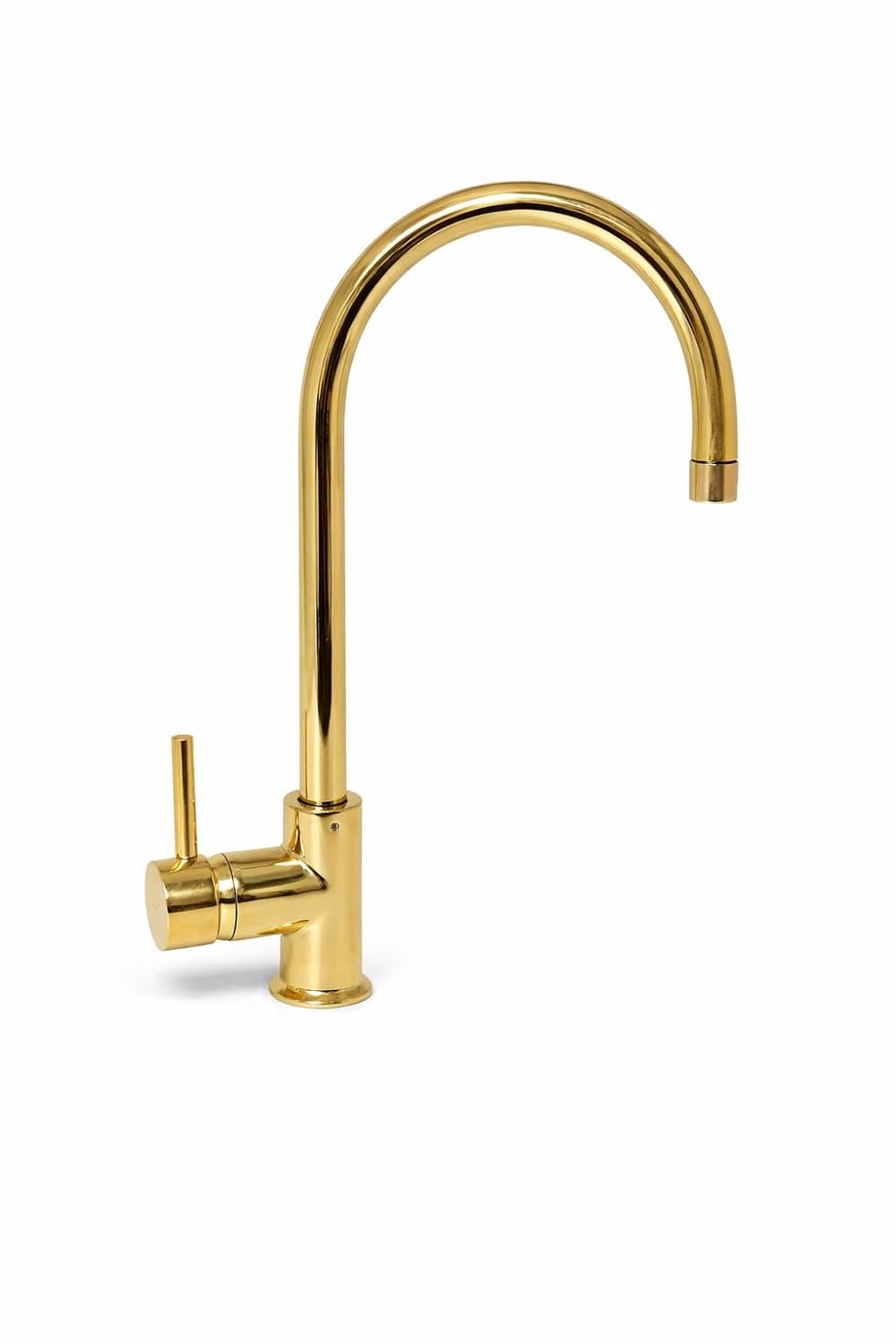
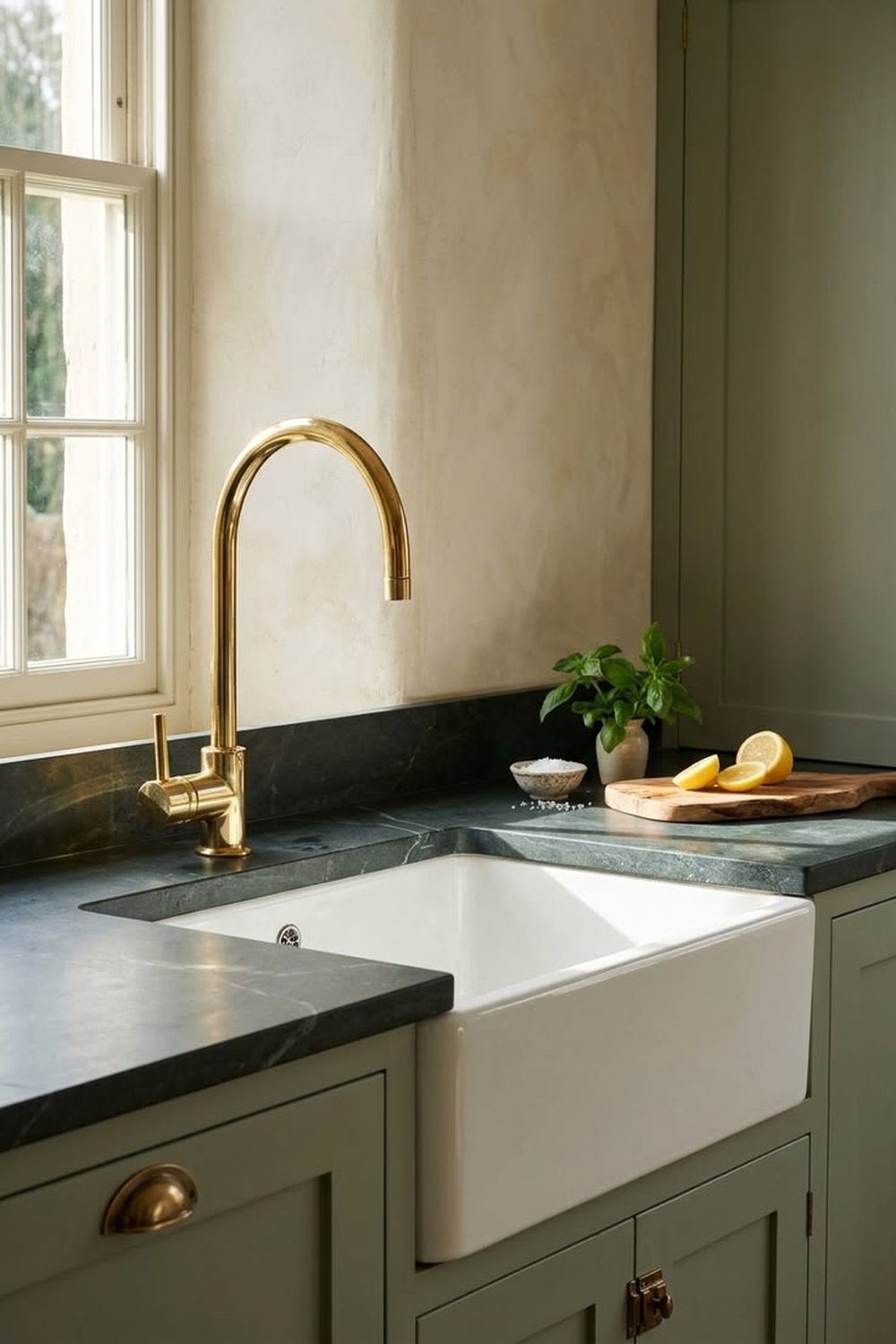
Unlacquered Brass Kitchen Faucet — Solid Brass Gooseneck Tap (Single Lever)
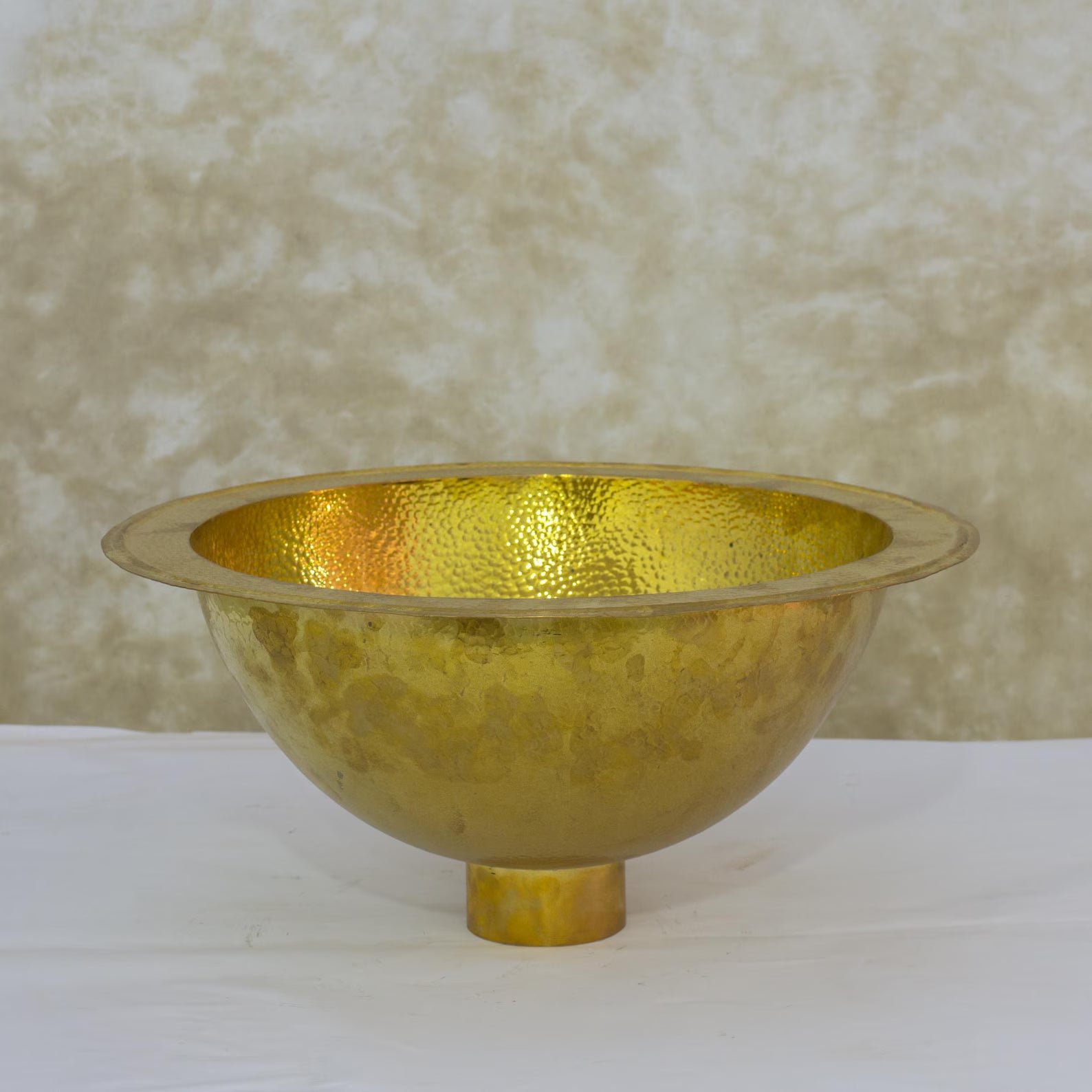
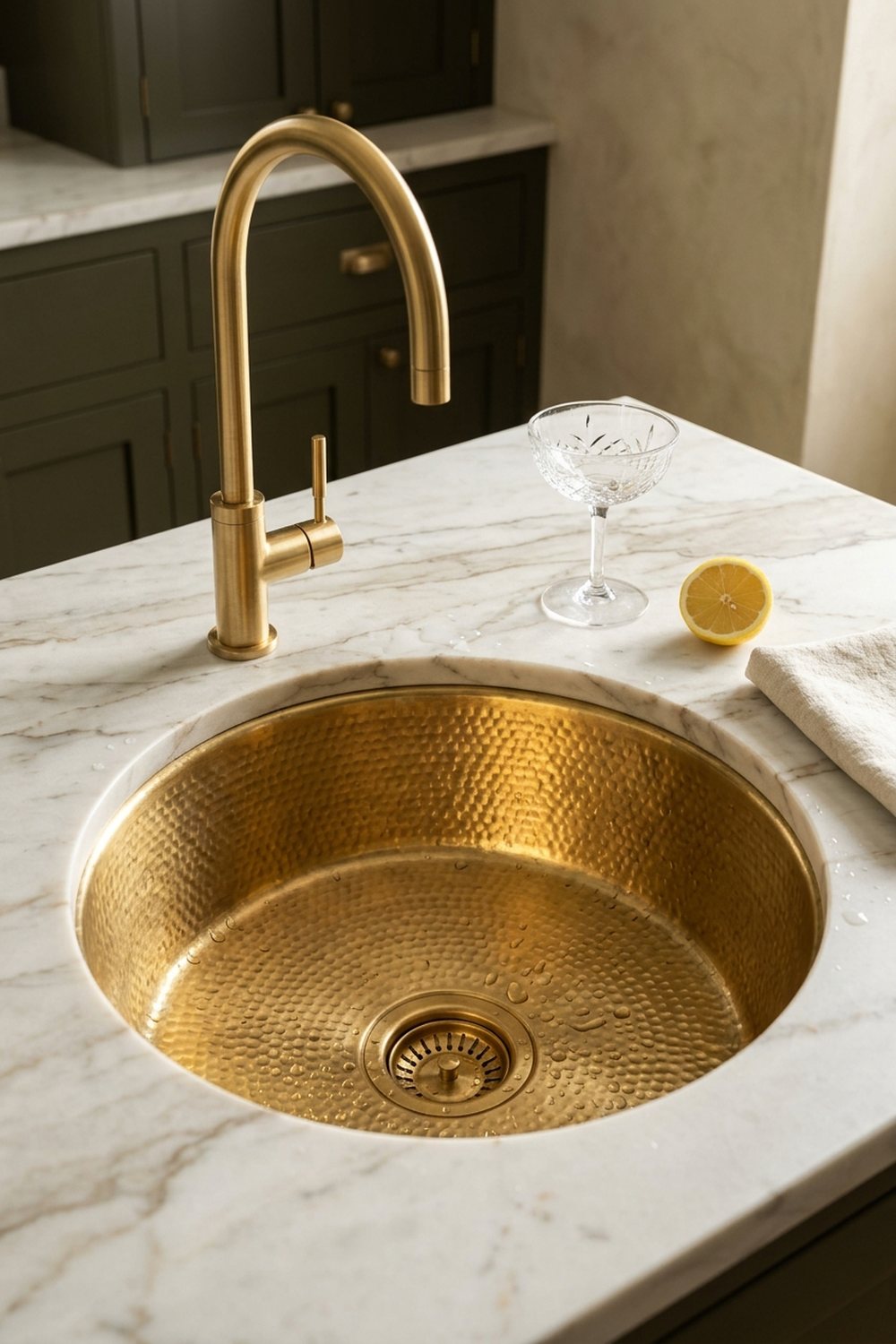
Solid Brass Kitchen & Bar Sink — 15" Hand-Hammered Unlacquered Prep Basin
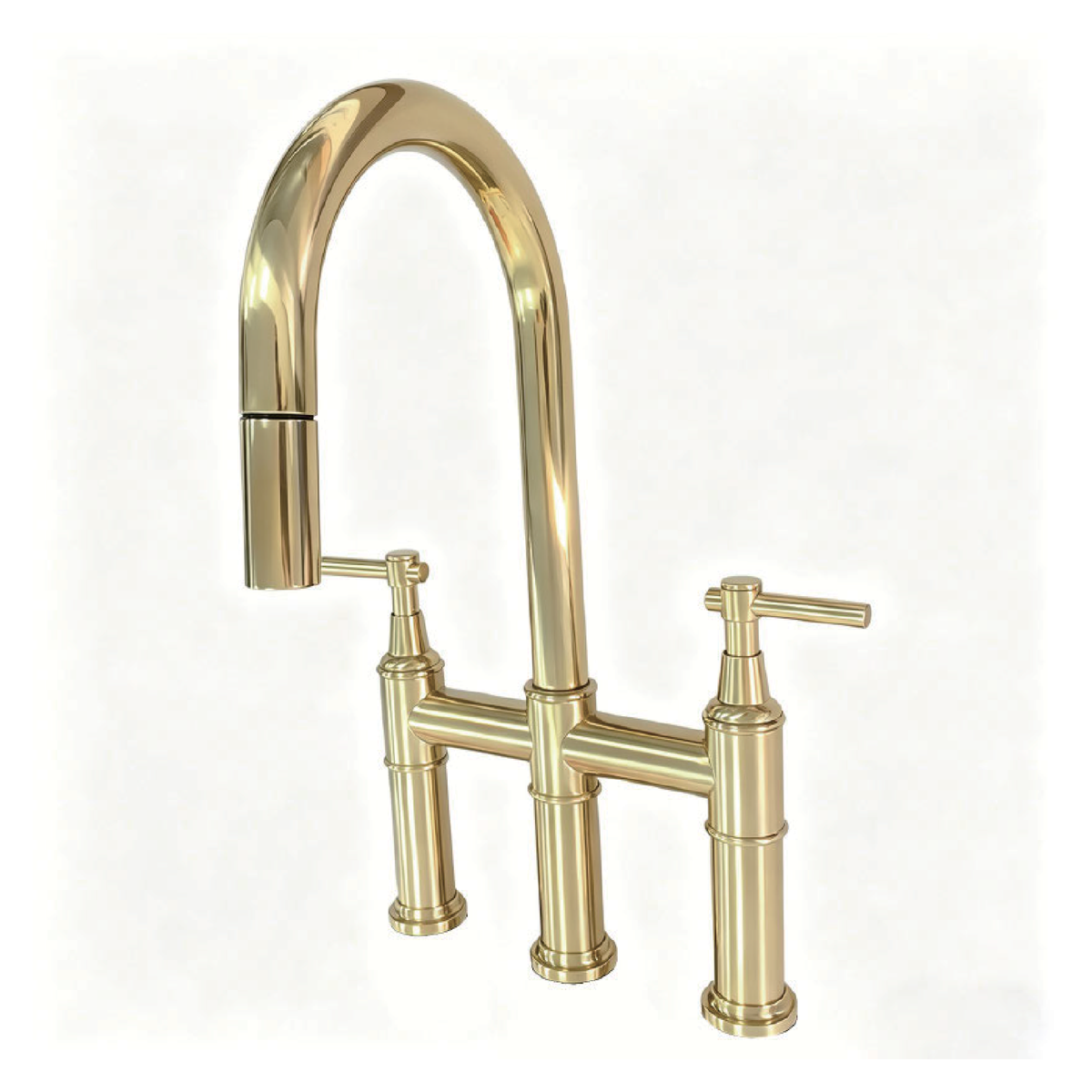
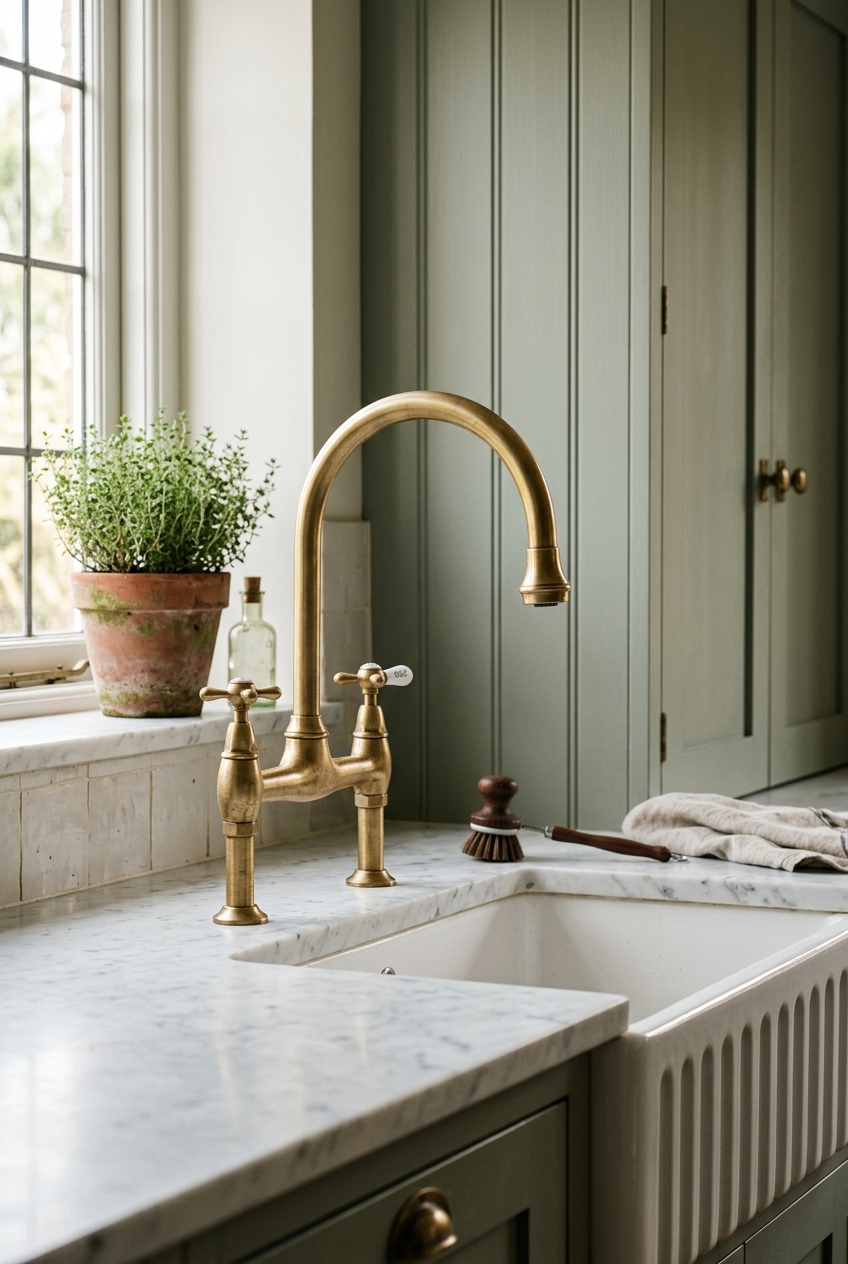
Handcrafted Unlacquered Brass Bridge Kitchen Faucet with Integrated Pull-Down Sprayer
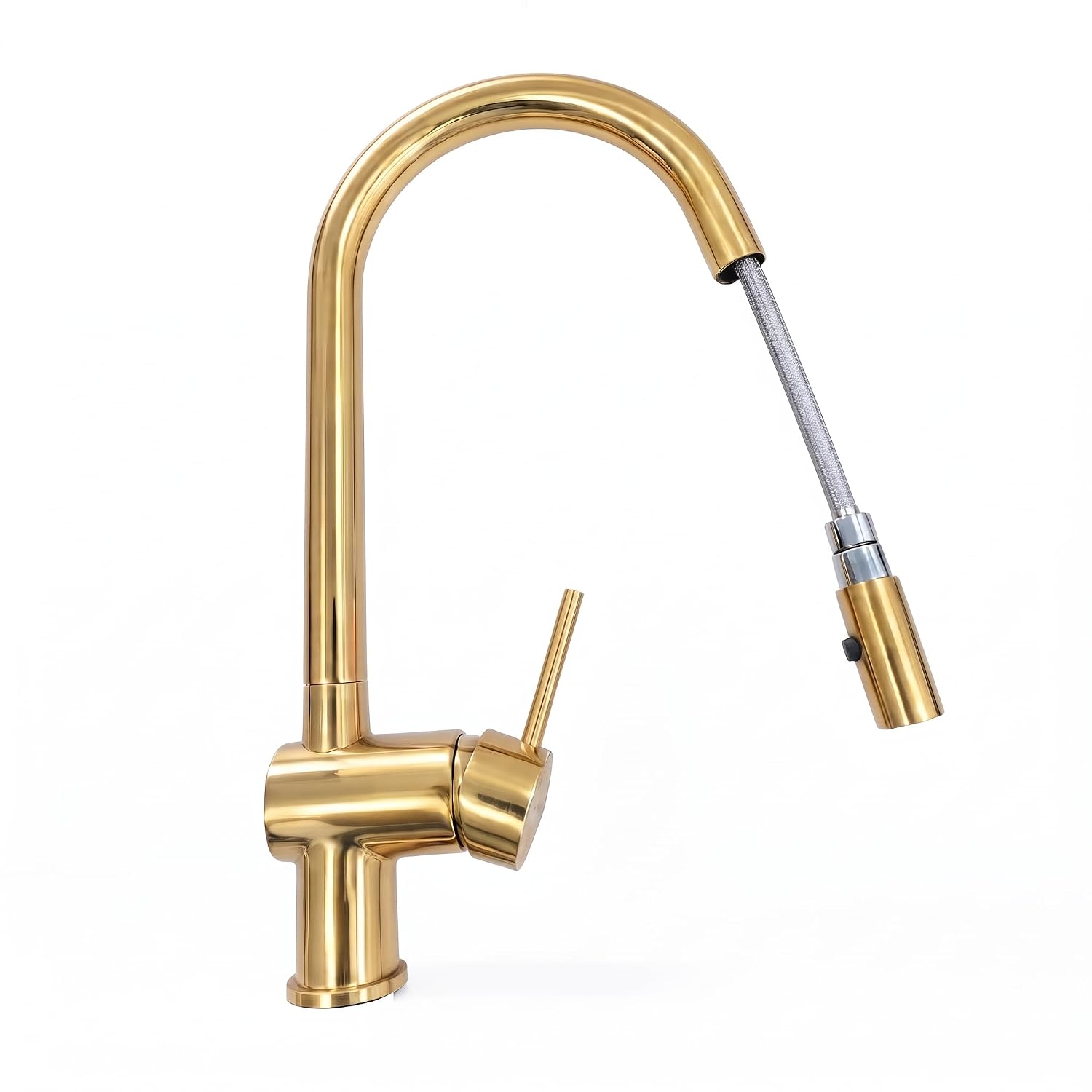
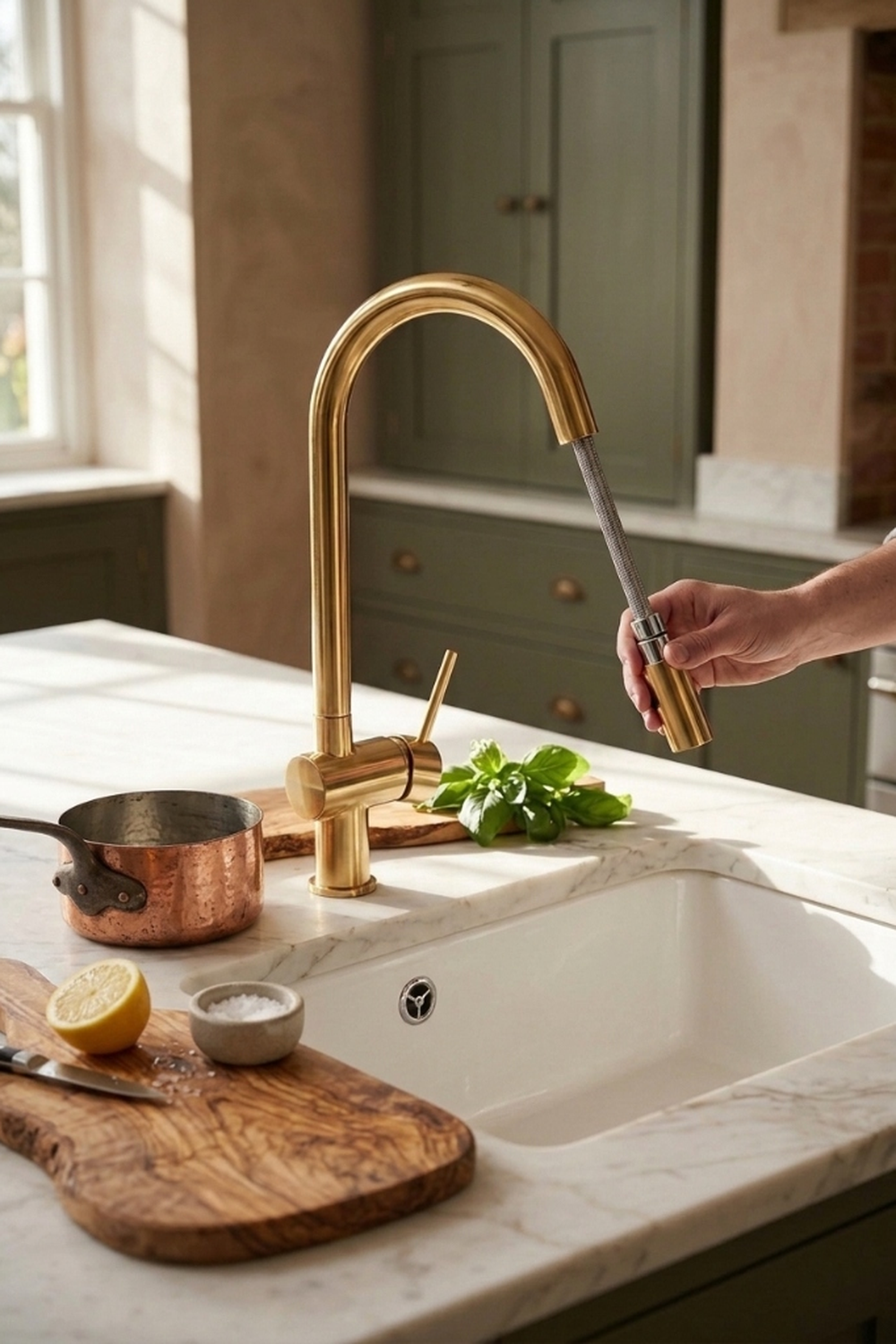
Modern Monobloc Culinary Pull-Down Kitchen Faucet in Solid Living Brass
Handcrafted Solid Living Brass