Brass Bottle Traps & Exposed P-Traps: Specification Guide for Open Vanities
Specifying an open console vanity, floating marble sink, or powder room washbasin? Learn how to install architectural solid brass bottle traps and exposed P-traps that satisfy US Uniform Plumbing Code standards while transforming drainage into a sculptured design feature.
Shop Featured Solid Unlacquered Brass Fixtures From This Study
1. The Open Vanity Revolution: Why Exposed Plumbing Demands Architectural Metal
Floating marble vanities, French metal console stands, and wall-hung powder room basins are among the most sought-after features in luxury residential architecture. By opening up sightlines beneath the countertop, these designs expand bathroom visual volume.
However, an open vanity leaves plumbing in plain sight. Installing lightweight plastic or thin stamped chrome traps destroys the luxurious character of natural stone and custom tile. An unlacquered living brass bottle trap turns drainage plumbing into an intentional sculptured statement.
Artisan Solid Living Brass Featured in This Study
2. Anatomy of a Bottle Trap: How Cylindrical Trapping Works
Traditional P-traps rely on a continuous curved pipe dip to retain a water seal that prevents sewer gases from entering living spaces. A bottle trap achieves the exact same hydraulic barrier within a compact vertical cylinder.
Water enters from the vertical sink tailpiece, flows down into the internal baffle chamber, and overflows through the upper horizontal outlet into the wall waste arm. A perpetual 2.5-inch water barrier remains at the bottom, reliably sealing out noxious sewer gases.
3. Slip-Joint Sizing & Rough-In Dimensions for North American Vanities
Our solid brass bottle traps feature universal North American dimensional sizing: a 1-1/4" OD vertical inlet that fits all standard bathroom vanity pop-up drains, and a 12-inch horizontal wall arm with a matching solid brass wall escutcheon cover.
The horizontal arm can be easily cut to length with a standard pipe cutter to accommodate vanities with varying setback depths.
4. Matching Drain Pop-Ups: Overflow vs. Non-Overflow Basins
When specifying exposed plumbing, always match your drain body to the sink basin type. Traditional ceramic drop-in and undermount sinks feature an internal overflow channel requiring a slotted pop-up drain.
Handcrafted stone, copper, and concrete vessel sinks lack overflow channels and require non-overflow drain assemblies to prevent water from backing up and leaking beneath the deck.
5. Care & Living Patina Evolution in High-Humidity Powder Rooms
Cast and lathed from solid binary 65/35 virgin brass, our bottle traps contain 0% iron and will never rust or pit from floor mopping or bathroom humidity. The brass gradually matures into a warm honey-amber and antique bronze tone, matching our unlacquered faucets and towel hardware perfectly.
Conservator's PrincipleNever introduce abrasive steel wool or caustic ammonia-based bathroom cleaners to raw unlacquered brass. Warm water with natural soap cleans dirt without stripping accumulated antique patina; a 30-second wipe with jeweler’s rouge or brass paste resets to Day 01 mirror gold anytime.
Frequently Addressed Inquiries
Are brass bottle traps approved by US plumbing codes?
Yes, provided they maintain a minimum 2-inch to 4-inch liquid trap seal and feature a smooth, non-fouling interior waterway. Medina Brass bottle traps are engineered to meet ASME A112.18.2/CSA B125.2 standards with standard 1-1/4" OD slip-joint brass tailpieces and wall flanges.
How do you clean hair and debris from a solid brass bottle trap?
Unlike traditional P-traps that require taking apart slip nuts with a wrench, our bottle trap features a knurled threaded cap on the bottom. Simply unscrew the bottom cap by hand over a small bowl to empty trapped debris and rinse the internal baffle in 30 seconds.
What is the standard rough-in height for a wall-drain waste pipe with an open vanity?
For a standard 34-inch to 36-inch finished vanity countertop height, the 1-1/2" female threaded wall waste drain should be roughed in between 18 and 20 inches above the finished floor. This ensures the 12-inch horizontal wall arm of the bottle trap aligns with proper gravity slope.
Can I pair an unlacquered brass bottle trap with a marble or concrete vessel sink?
Yes. For vessel sinks without an internal overflow channel, pair our bottle trap with an unlacquered solid brass non-overflow grid drain or spring pop-up. For ceramic vanity basins with an overflow hole, specify an overflow pop-up drain.
Authoritative Standards, Codes & Technical References
Primary metallurgical benchmark for solid 65/35 copper-zinc binary alloy density (8.53 g/cm³), tensile yield, and natural cuprous oxide passivation.
North American mechanical engineering standard governing US 1/2" NPT thread geometry, hydrostatic burst pressure (500 PSI), and 500,000-cycle ceramic disc valve endurance.
Potable water safety standard verifying zero toxic leaching and lead-free compliance (<0.25% weighted average lead on wetted surfaces).
Federal statutory requirement governing lead-free residential kitchen, pot filler, and bathroom drinking water fixtures across all 50 US states.
Building inspector code reference for backflow prevention, air gaps, shut-off valves, and fixture supply rough-in geometry.
Handcrafted Brass Featured in This Study
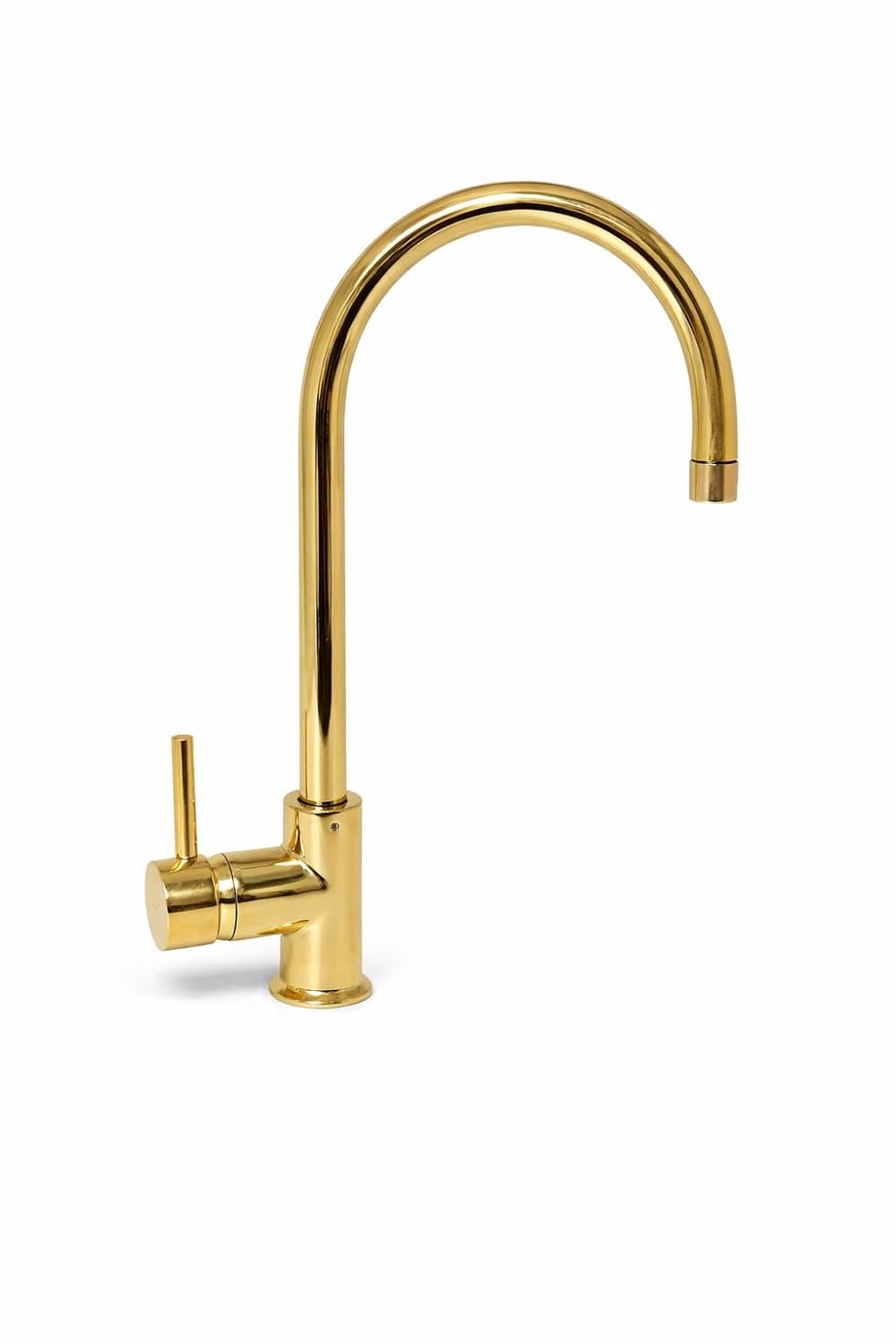
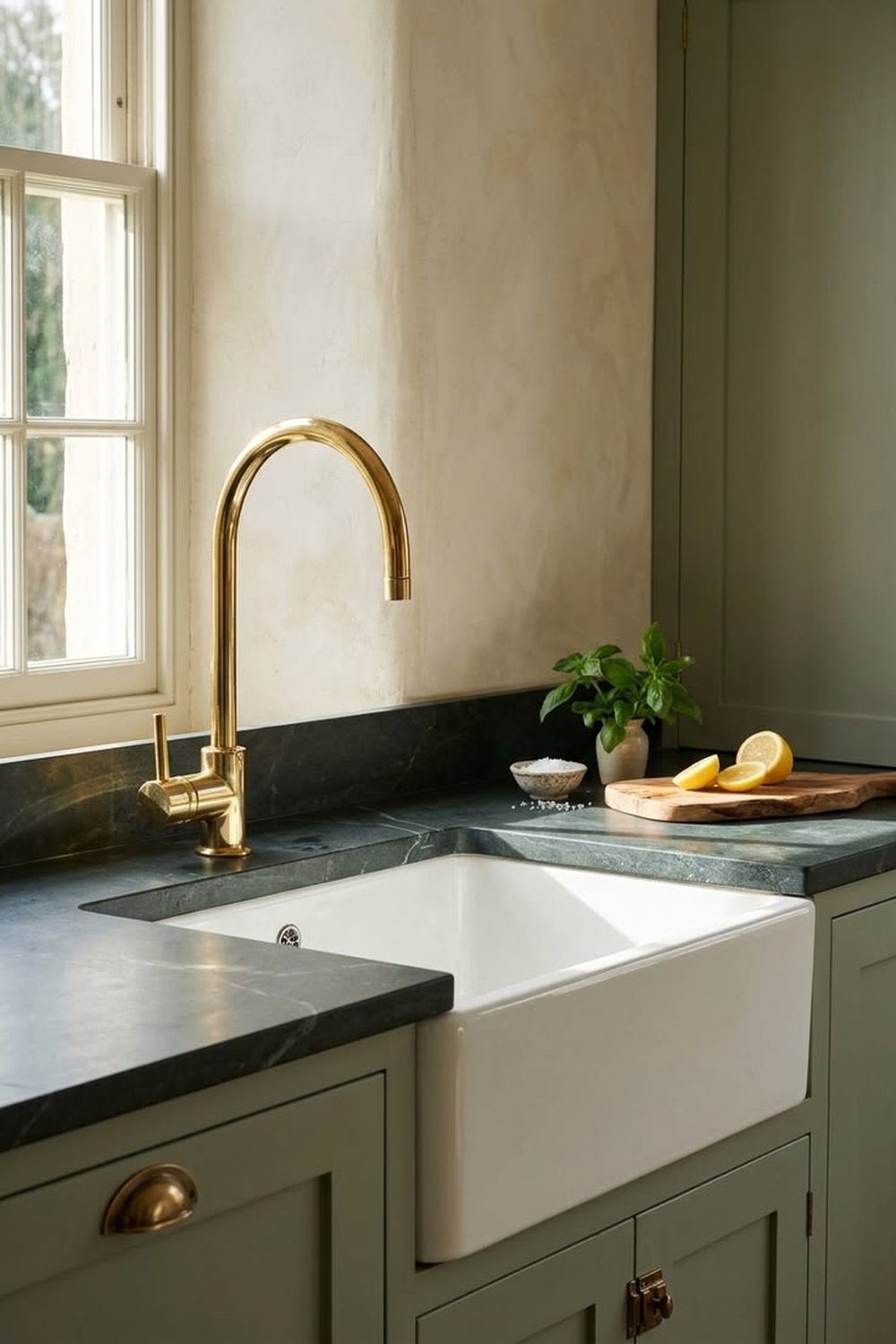
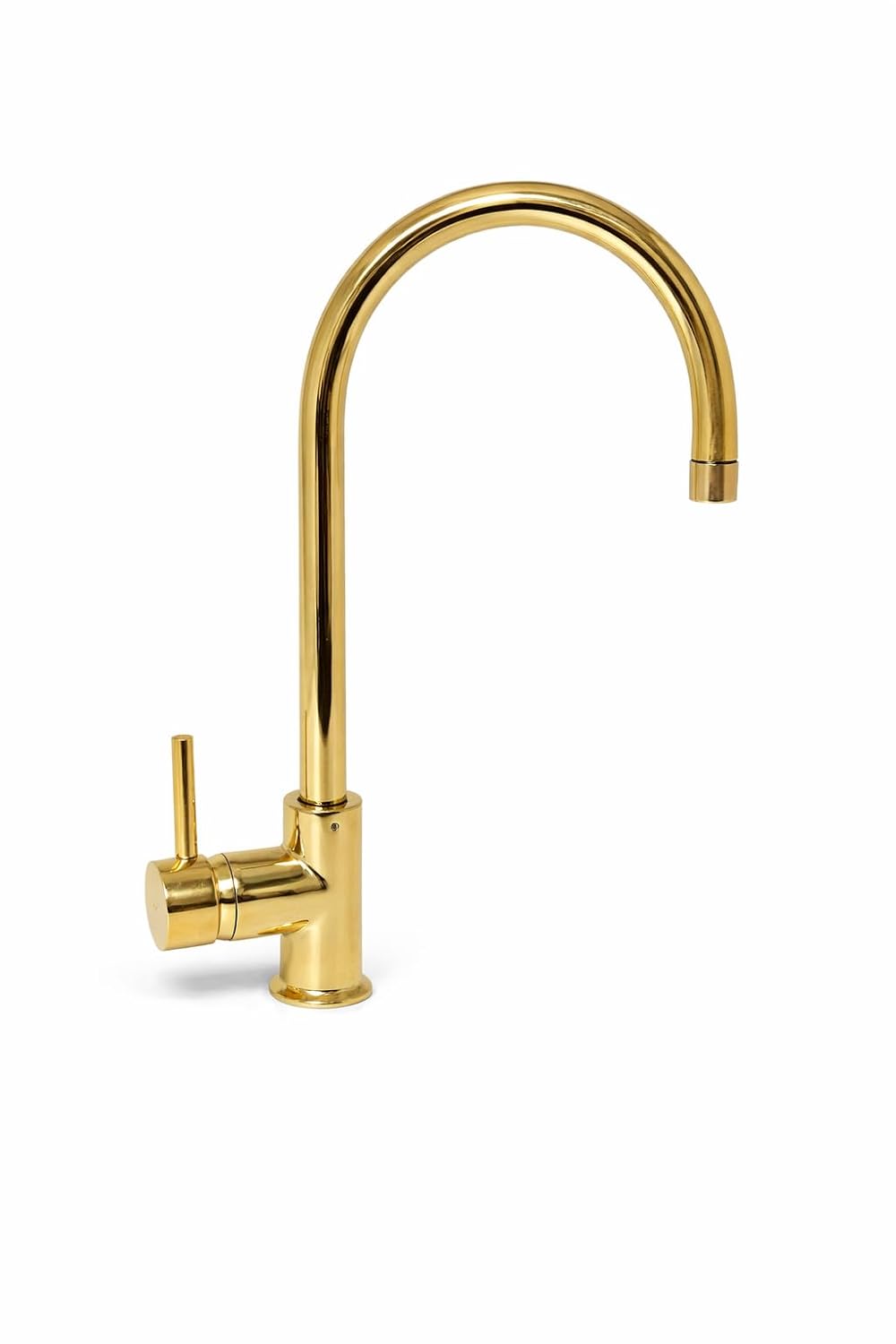
Unlacquered Brass Kitchen Faucet — Solid Brass Gooseneck Tap (Single Lever)
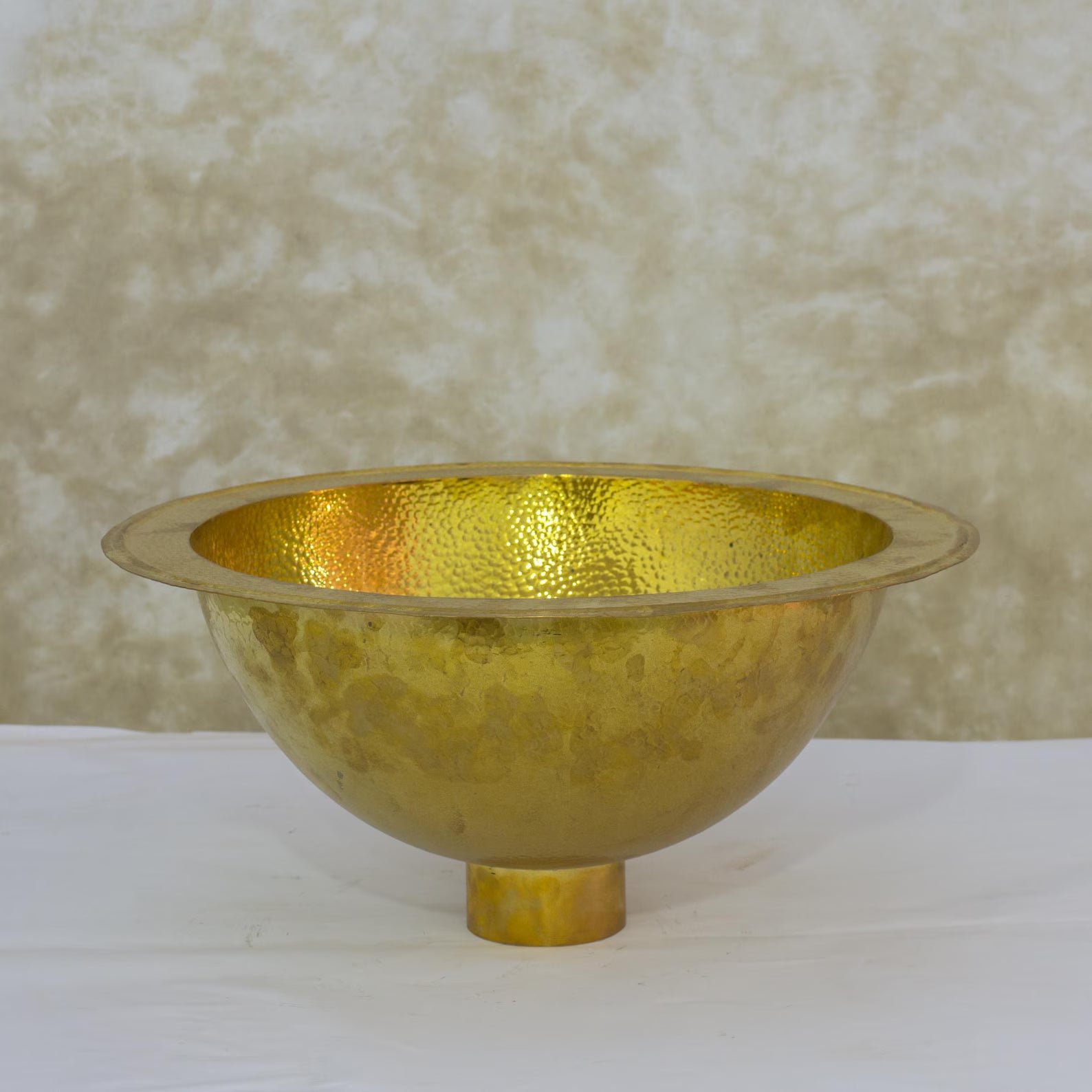
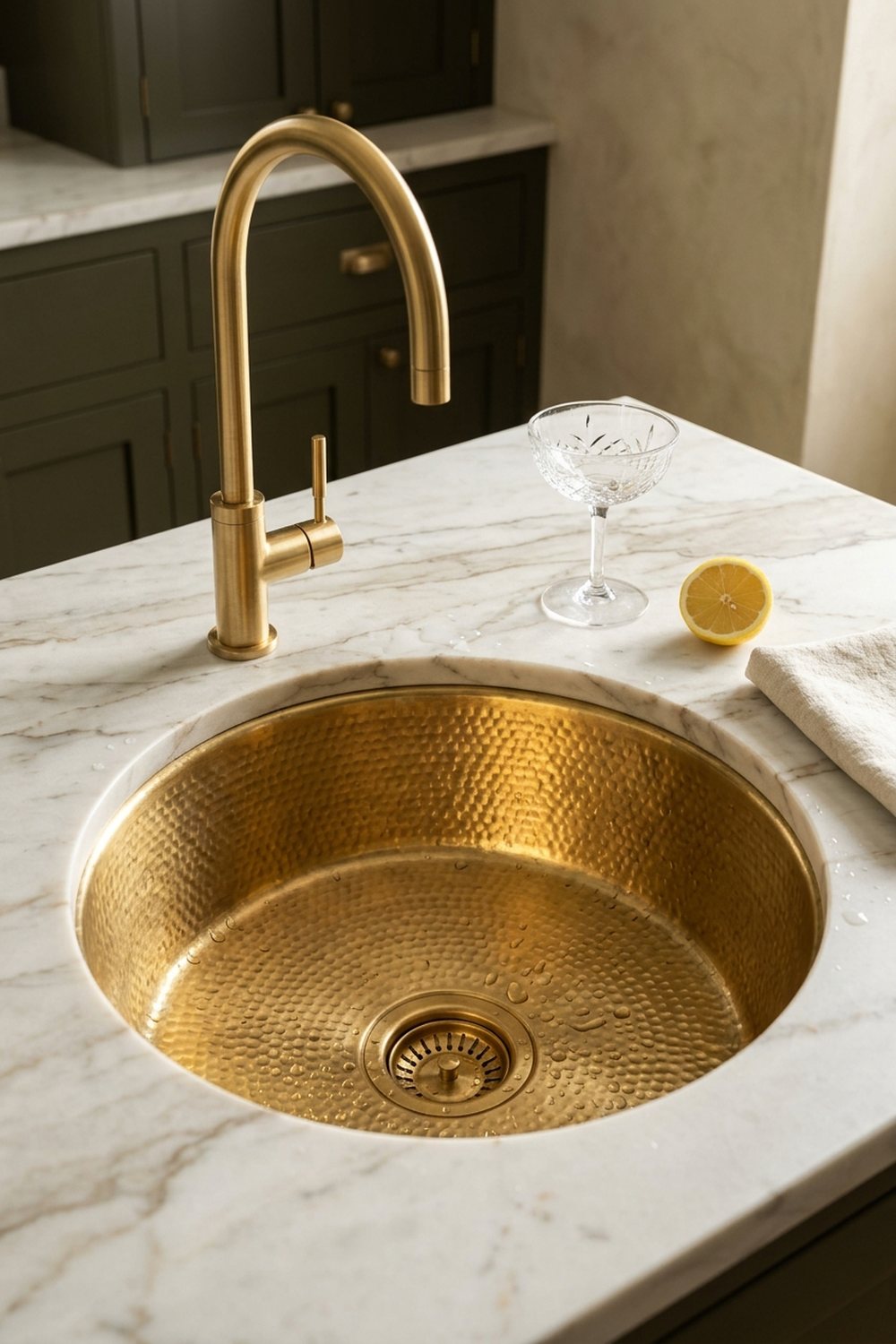
Solid Brass Kitchen & Bar Sink — 15" Hand-Hammered Unlacquered Prep Basin
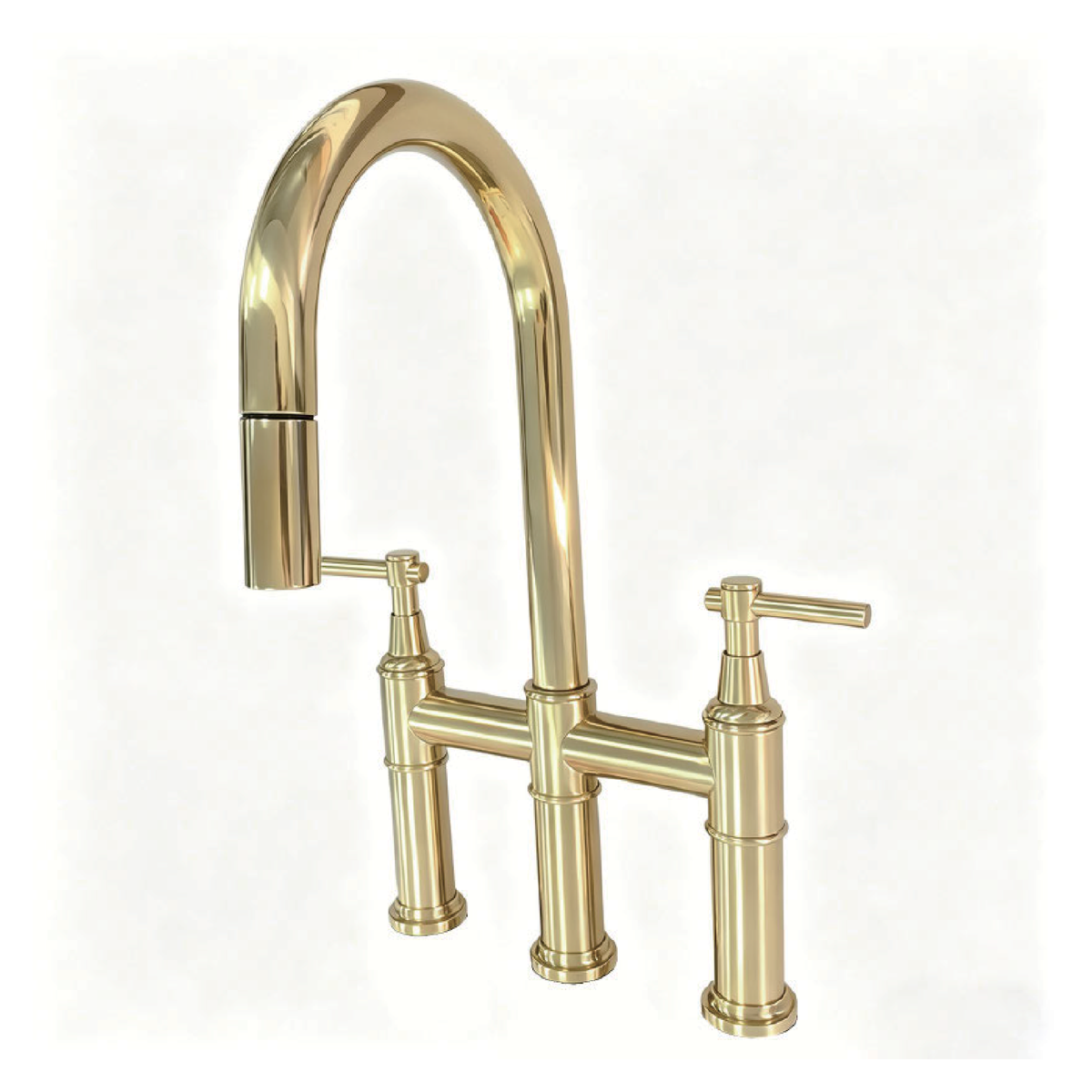
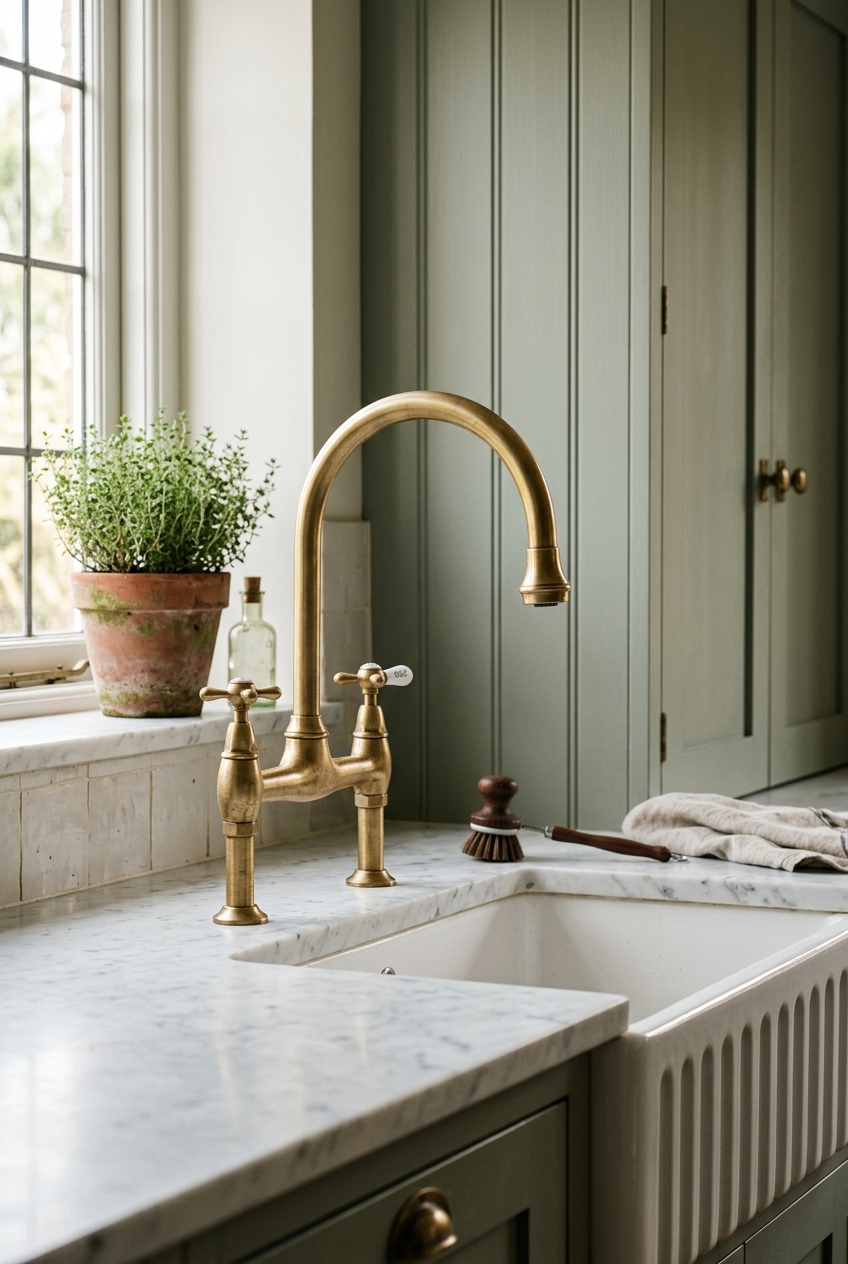
Handcrafted Unlacquered Brass Bridge Kitchen Faucet with Integrated Pull-Down Sprayer
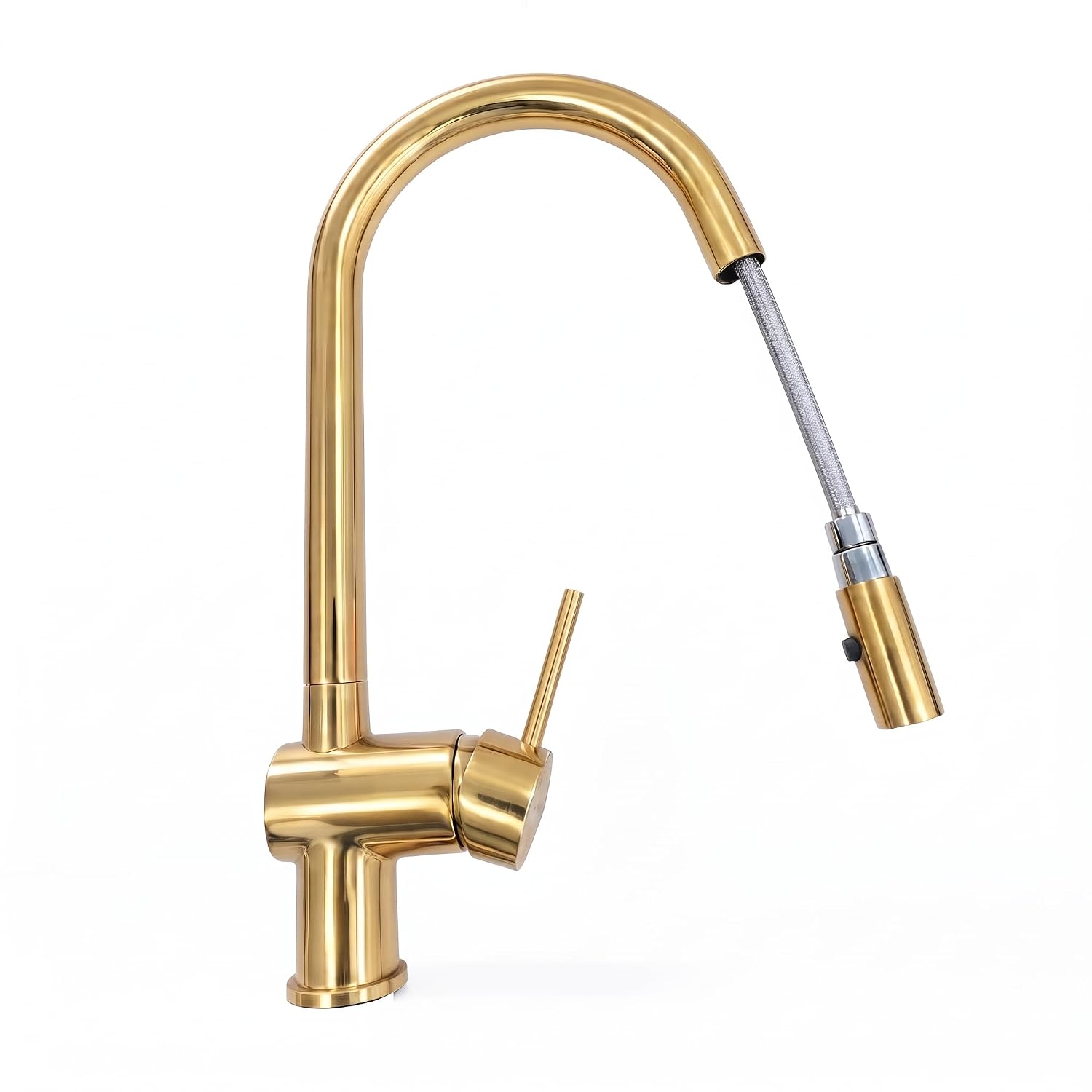
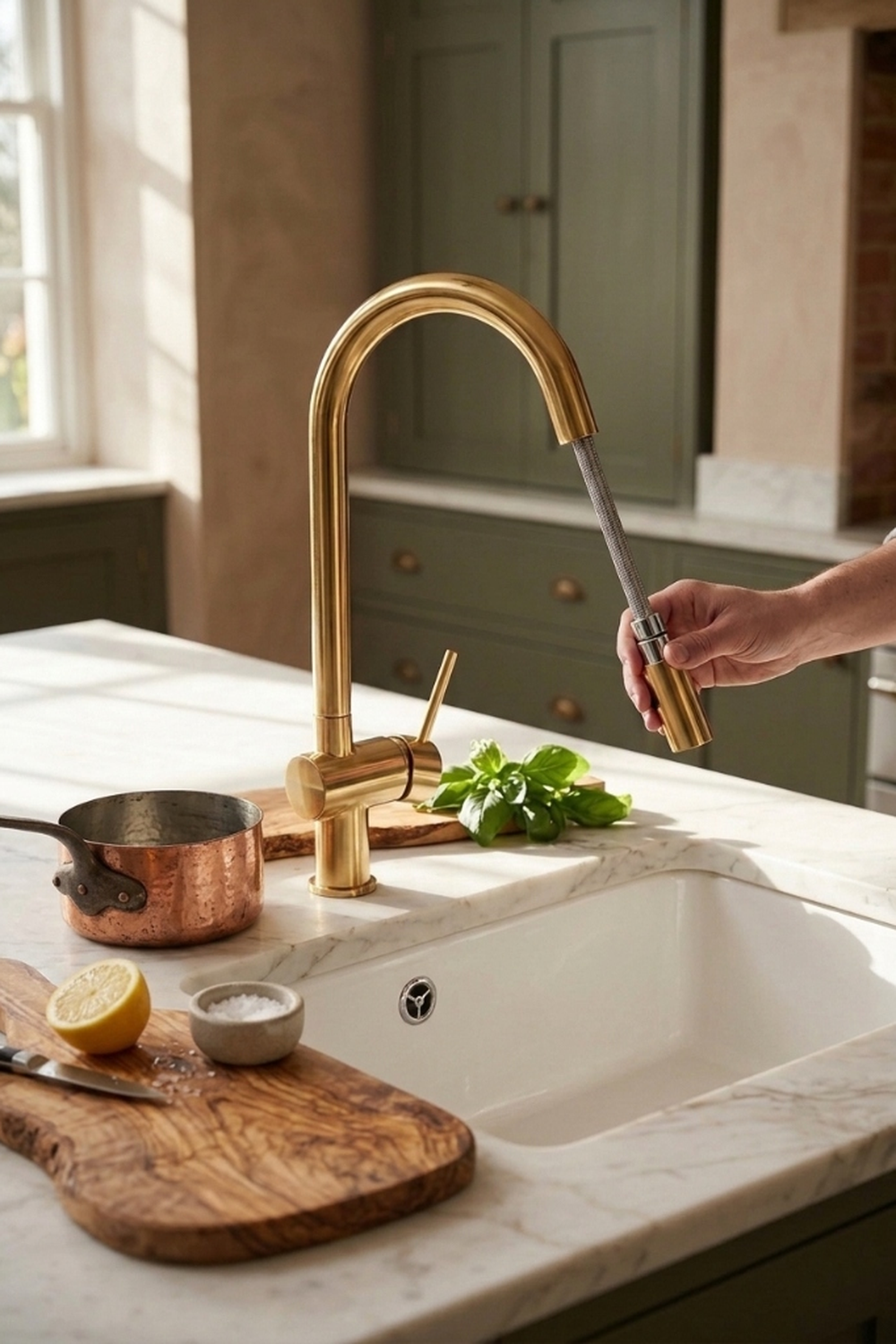
Modern Monobloc Culinary Pull-Down Kitchen Faucet in Solid Living Brass

Handcrafted Solid Living Brass